Administrators of five UTs authorised to exercise powers under Drugs and Magic Remedies Act
Jan 19, 2026
By Rajnish Singh
New Delhi [India], January 19 : The Centre has delegated powers to the administrators and Lieutenant Governors of five Union Territories, including Jammu and Kashmir, to exercise the powers and discharge the functions of the state government under the Drugs and Magic Remedies (Objectionable Advertisements) Act, 1954, within their respective jurisdictions.
The directive has been issued in pursuance of clause (1) of Article 239 of the Constitution and will remain in force until further orders, subject to the control of the President, who has given the direction.
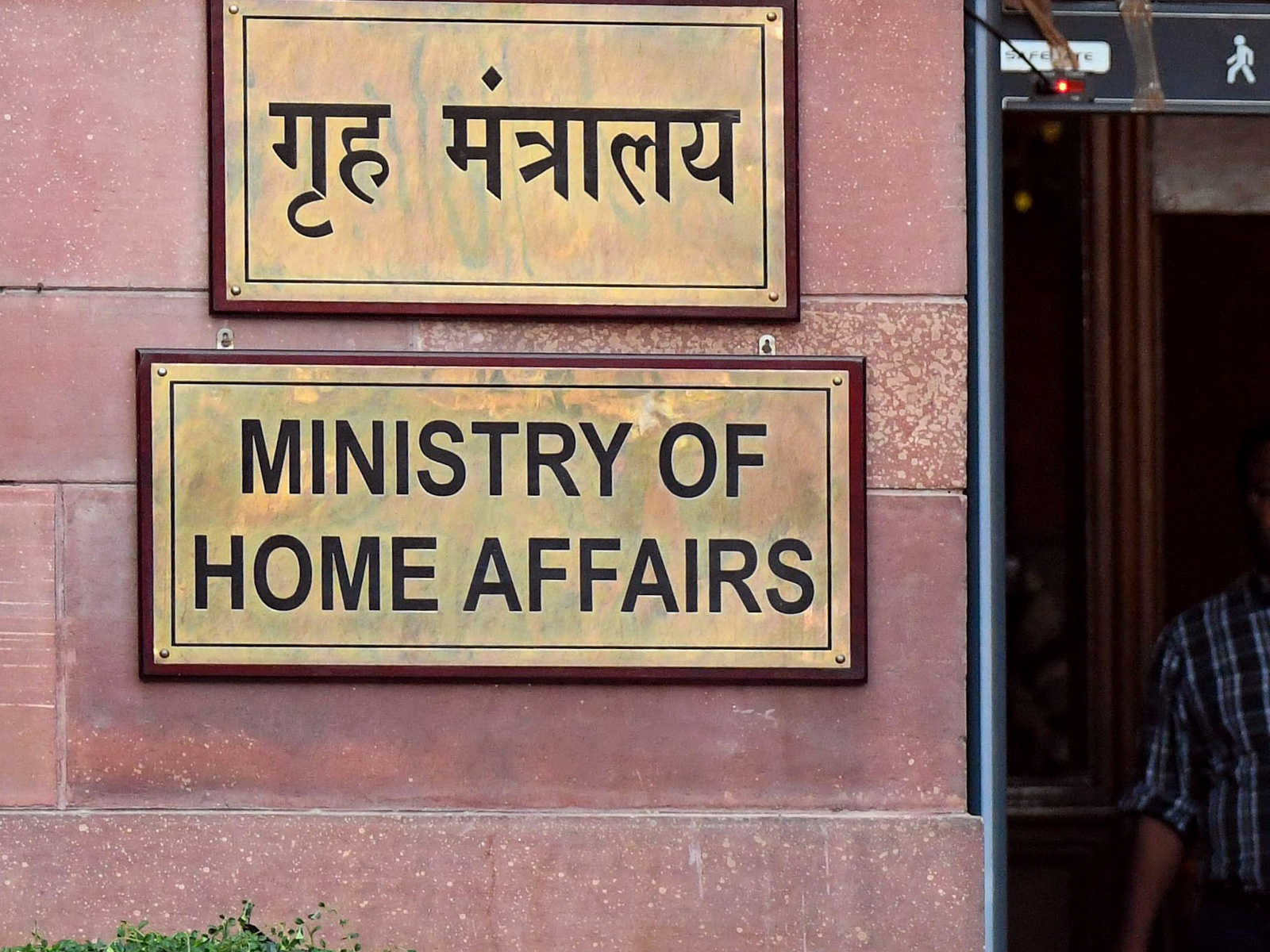
As per an order notified by the Union Ministry of Home Affairs, the administrators--whether designated as Lieutenant Governors or administrators--of the Union Territories of Lakshadweep, Chandigarh, Dadra and Nagar Haveli and Daman and Diu, Puducherry, and Jammu and Kashmir have been empowered to act as the competent authority for the implementation of the Act.
This move effectively vests the functions ordinarily exercised by state Governments under the legislation with the UT administrations.
"In pursuance of clause (1) of article 239 of the Constitution, the President hereby directs that the Administrator (whether known as the Lieutenant Governor or the Administrator) of the Union territories of Lakshadweep, Chandigarh, Dadra and Nagar Haveli and Daman and Diu, Puducherry and Jammu and Kashmir shall, subiect to the control of the President and until further orders, exercise the power and discharge the functions of the State Government under the Drugs and Magic Remedies (Objectionable Advertisements) Act, 1954 (21 of 1954) within their respective Union territories," reads the notification issued last week.
The Drugs and Magic Remedies (Objectionable Advertisements) Act, 1954, is a central law aimed at regulating advertisements related to drugs, remedies and treatments that claim to cure certain diseases and conditions.
The Act prohibits misleading advertisements that promote so-called "magic remedies" or make false claims regarding the prevention or cure of specific ailments, particularly those that could exploit vulnerable sections of society or pose risks to public health.
Under the Act, state governments are responsible for enforcement, including monitoring advertisements, initiating prosecutions against violators, and taking action to curb misleading or harmful claims.
However, in Union Territories, governance structures differ from those of states, and powers are exercised either directly by the President or through Administrators appointed under Article 239 of the Constitution.
By formally authorising UT administrators to exercise these powers, the order seeks to ensure uniform and effective enforcement of the Act across the specified Union Territories. It also clarifies the administrative authority responsible for implementing the law, thereby avoiding any ambiguity in regulatory oversight.
Officials said the decision is in line with existing constitutional provisions governing Union Territories and is intended to strengthen regulatory mechanisms related to public health and consumer protection.
With increasing concerns over misleading health-related advertisements across print, electronic and digital platforms, effective enforcement of the Act has gained renewed importance.
The order underscores the central government's emphasis on preventing the spread of false and unscientific claims related to medicines and treatments, particularly those that could endanger lives or mislead patients seeking medical care.
The empowered administrators will now be responsible for taking necessary steps to enforce the provisions of the Act within their respective Union Territories, under the overall supervision of the President.