AI summit protest case: Delhi court sends 3 IYC workers to judicial custody; bail hearing deferred
Mar 06, 2026
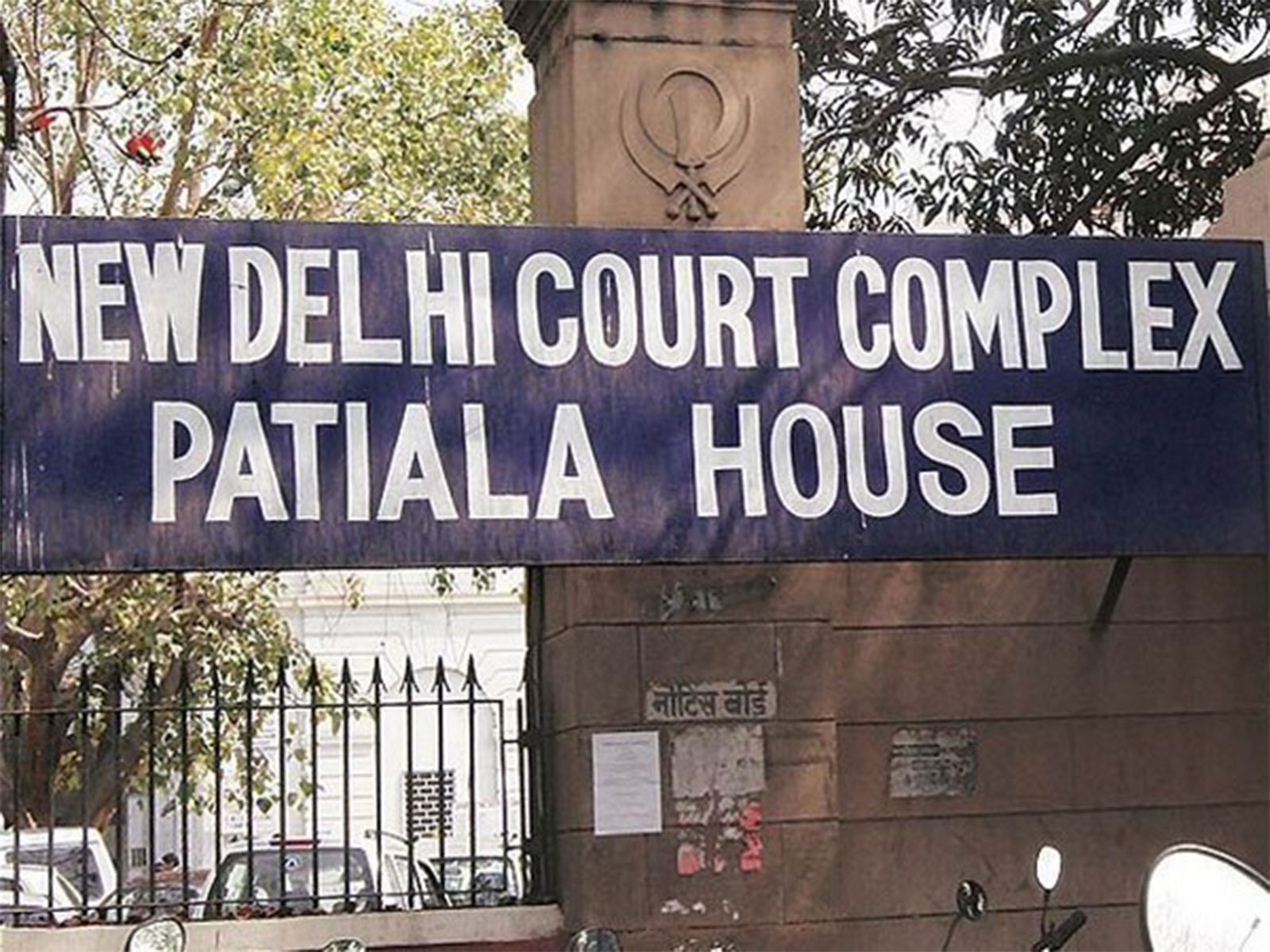
New Delhi [India], March 6 : The Patiala House Court on Friday deferred the bail hearing of three Indian Youth Congress (IYC) workers, Divyansh Girdhar, Bhudev Sharma, and Kuber Meena, and extended their judicial custody.
The trio was arrested in connection with the AI Summit protest case.
Judicial Magistrate First Class (JMFC) Vanshita Mehta deferred their bail hearing and listed the matter before the concerned court on Monday.
Meanwhile, the court has sought a verification report of documents and surety submitted for the bail of accused Siddharth Avdhoot. The investigating officer has been directed to file the report by Saturday.
The three accused were produced before the court after spending three days in judicial custody, having been remanded on March 4.
Earlier, the court had issued notice on the bail applications of Divyansh Girdhar, Bhudev Sharma, and Kuber Meena.
While granting further police custody on March 2, the court noted that the investigation is at a nascent stage, and the recovery of material evidence and apprehension of co-accused persons assume significance.
Duty Magistrate Charan Salwan had rejected the bail pleas of Bhudev Sharma and Divyansh Girdhar on the March 2.
The accused had sought bail on parity with 10 other co-accused, but the court dismissed the pleas.
"In my considered view, the present application for remand and the prayer for bail stand on a distinctly different footing from that of the co-accused already granted bail," the Duty Magistrate stated while rejecting the bail pleas.
The court said, "it is a settled principle of criminal jurisprudence that while the rule of parity is a relevant consideration in matters of bail, it is not to be applied in a mechanical or uniform manner."
The court also addressed submissions related to the right to protest.
It observed that the right to protest, while a cherished constitutional guarantee under Articles 19(2) and 19(3), is subject to reasonable restrictions. "However, the exercise of such rights is not absolute and must be balanced against considerations of public order, security of the State, and other legitimate restrictions contemplated under the Constitution," the court said.
The court noted that the alleged protest took place during a National Event attended by foreign delegates and dignitaries. "The nature, timing, and location of the protest are relevant factors at this stage of investigation, particularly in assessing issues of security, public order, and the larger ramifications of the alleged acts," Duty Magistrate Charan Salwan said.