Bombay HC rejects challenge to WeWork India IPO, imposes Rs 1 lakh cost
Dec 01, 2025
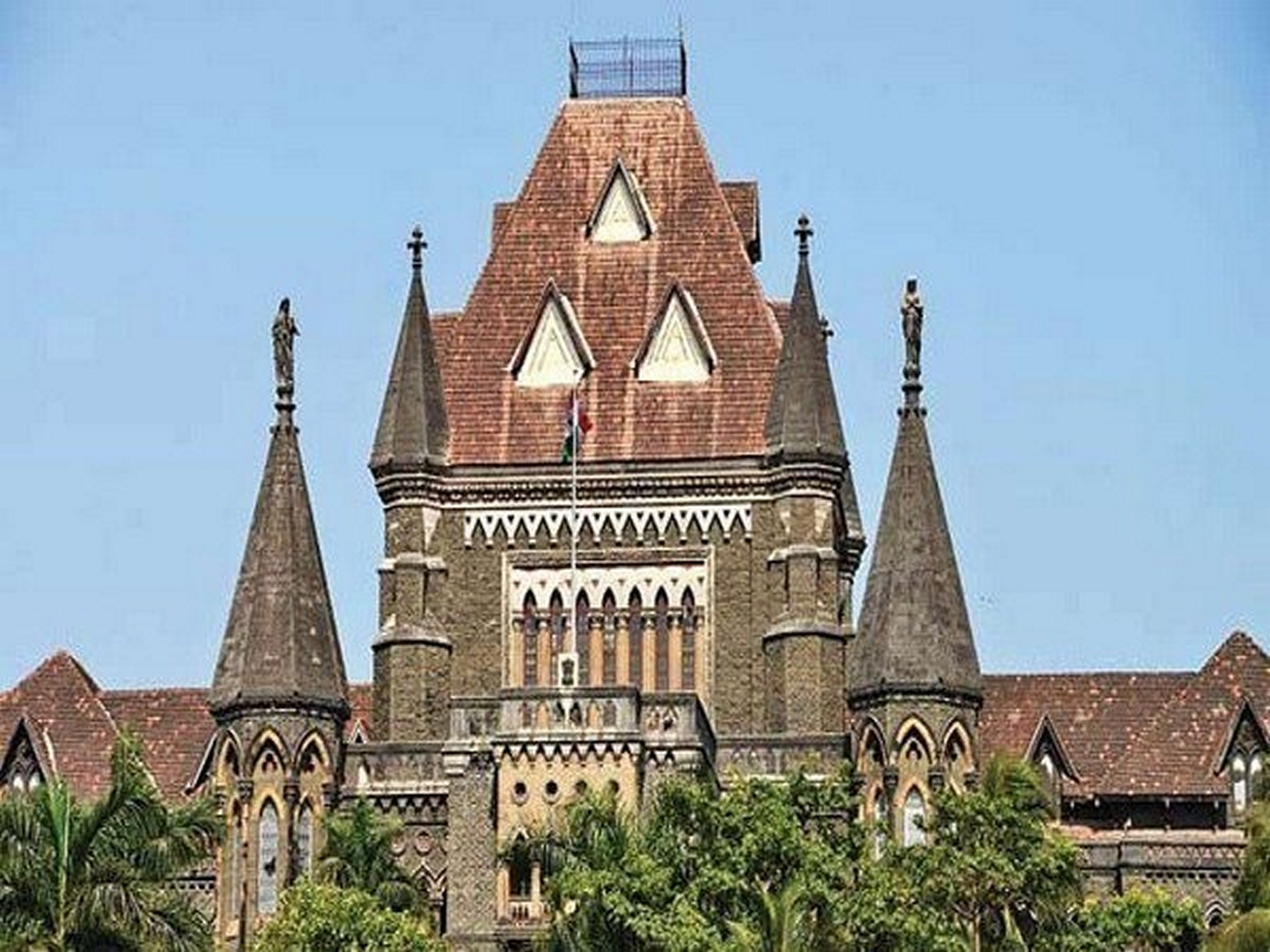
Mumbai (Maharashtra) [India], December 1 : The Bombay High Court on Monday dismissed two writ petitions filed by Vinay Bansal and Hemant Kulshrestha that sought to block WeWork India's initial public offering, ending a last-minute legal attempt to stall the company's planned market debut.
A Division Bench of Justice RI Chagla and Justice Farhan Parvez Dubash rejected the petitions and imposed a Rs 1 lakh cost on Vinay Bansal, directing him to deposit the amount with the Maharashtra State Legal Services Authority within two weeks.
The Court had reserved its order on October 8 after completing arguments and delivered the decision orally today. The detailed written judgment is still awaited.
The petitioners had questioned SEBI's decision to clear the IPO, claiming that the offer carried serious risks that were either unclear or not properly disclosed.
They pointed to WeWork India's losses, negative net worth, ongoing criminal proceedings against promoters, and the IPO being a 100% offer-for-sale, arguing that the combination posed an "unprecedented" risk to investors.
Appearing for SEBI, Senior Counsel Shiraz Rustomjee argued that courts should not override a regulator's technical expertise unless the decision is arbitrary or unconstitutional. He said SEBI had exercised active oversight, pointing out that the regulator specifically directed WeWork India to list the criminal proceedings as the first risk factor in the red herring prospectus.
Senior Counsels Darius Khambatta and Gaurav Joshi, representing WeWork India, submitted that all required disclosures were included as mandated under the ICDR Regulations, which require clear summaries rather than lengthy or exhaustive details.
They also questioned the timing of the petitions, noting that the petitioners had months to examine the draft prospectus but chose to approach the court only at the final stage.
Representing the lead merchant bankers, Senior Counsel Janak Dwarkadas explained that a full offer-for-sale is permissible under both the Companies Act and ICDR Regulations. He said the bankers had fulfilled all due diligence duties and that SEBI had scrutinised and directed inclusion of the relevant risk factors.
Market data was also placed before the Court to show that the issue was oversubscribed, including interest from anchor investors and qualified institutional buyers--an indication that investors were making decisions based on the disclosures available. SEBI's counsel added that the regulator receives thousands of complaints every month, making it impractical to issue detailed, reasoned orders on each one.