Book Release Highlights Untold Truths of Emergency Era and KGB Revelations on India
Jan 05, 2026
VMPL
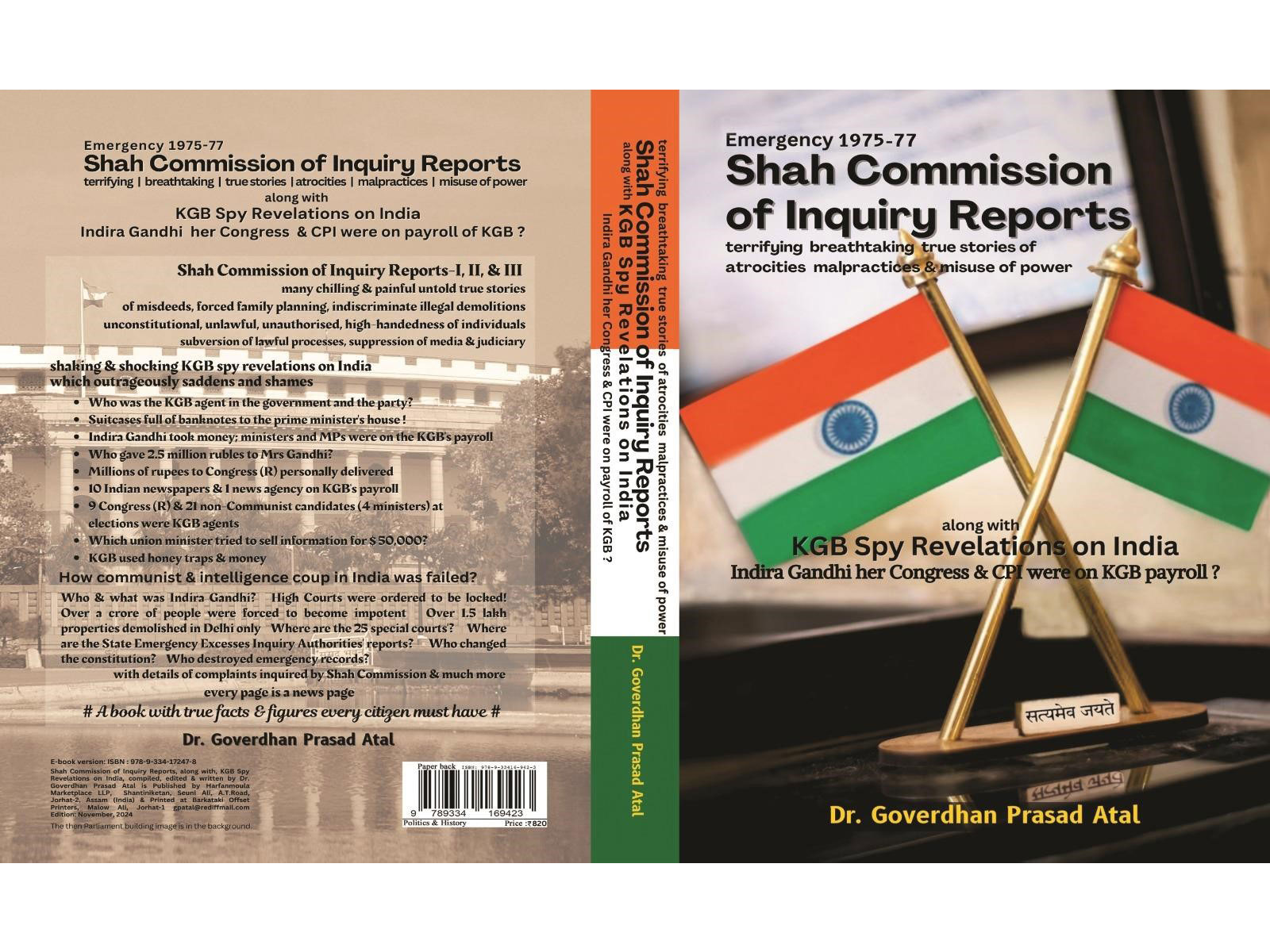
New Delhi [India], January 5: Another and more important book on political history called Shah Commission of Inquiry Reports and KGB Spy Revelations on India by Goverdhan Prasad Atal has been published, which throws a light on one of the most debatable times in Indian democracy, the Emergency of 1975-77. The book is the first to publish the full Shah Commission of Inquiry Reports, as well as startling KGB-related revelations about India, which is why it is an indispensable resource to the people who are interested in making policies, journalists and researchers, and all other people who take an interest in politics.
This was an event that defined the history of both constitutional and democratic India because of the Emergency that was imposed in 1975. The government of the time suspended civil liberties, jailed political adversaries, curtailed press freedom, and exercised extraordinary powers. Although the period has been written about extensively and remains part of public memory, much of the official documentation has remained inaccessible to the general public--until now. Notably, during the last Parliament session, several MPs, MLAs, and even the Speaker demanded that the Shah Commission reports be made public; however, the government did not publish them. It is in this context that the author has now published the complete Shah Commission Reports in the public domain for the very first time. This long-standing gap is bridged through this book with the publication of Shah Commission Reports I, II, and III in their entirety, offering readers a firsthand account of the findings of the Commission appointed by the post-Emergency Janata Government under Justice J.C. Shah.
The Shah Commission was mandated to examine the excesses, illegalities, and unconstitutional actions committed during the Emergency. Its findings document forced family planning drives, indiscriminate demolitions, unlawful arrests, abuse of authority, suppression of the judiciary and media, and the systematic subversion of democratic processes. The book highlights that these actions were carried out in an attempt to establish a family-centric political dictatorship, an effort that ultimately failed when the ruling government lost the subsequent general elections.
Along with findings by the Shah Commission, the book also provides KGB spy reports regarding India, which provide what the author considers as shaking and shocking revelations. These involve claims of foreign intelligence presence, political financing, institutional manipulation and infiltration of the media in the era. The feature of including these documents gives a new touch to the geopolitical and even internal political dynamics of India in the context of the cold war period.
The Paperback edition, 664 pages long, is being marketed as a wakeup call, supported by facts, figures and official documents that have never previously been bound into one book. As the author remarks, every page is a news report- recording events, decisions and consequences that made modern Indian politics what it is today.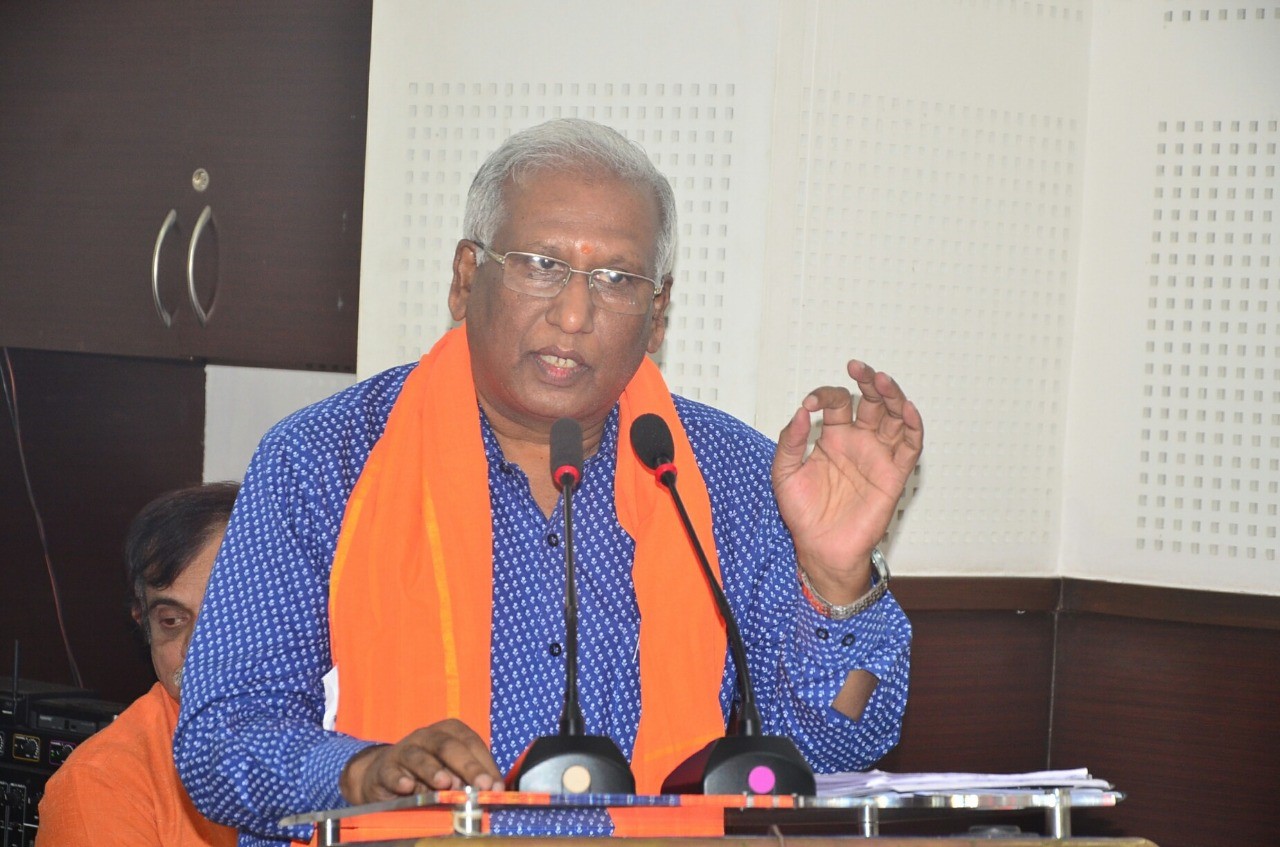
According to the author and compiler of the book, Dr. Goverdhan Prasad Atal, the purpose of the publication is not only narration of historical events but general knowledge of society. The reports of the Shah commission were supposed to be enlightening to the country but were not widely accessible. This book brings them back to the issues of discussion, which is their place in public, he says. By placing official inquiry findings alongside intelligence disclosures, the book seeks to encourage informed debate and reflection on constitutional values and democratic accountability.
The intended audience of the book is Members of Parliament, Members of Legislative Assemblies, journalists, political analysts, political science students, and activists and any citizen who wants to be aware of what was actually happening during the Emergency beyond the textbook abridgements. The presentation and words used have been edited in such a way as to attract an English and Hindi reader to make it more accessible.
The questions that the publication also brings are still topical nowadays: How were the democratic institutions weakened? To whom was the abuse of power, advantageous? How come accountability mechanisms were avoided? And what was the ultimate outcome of the struggle by the people, the recovery of democracy? These questions are based on the findings of the documented inquiry, and they are the major narrative of the book.
The book is being marketed as a contributing value to the political literature and the memory of democracy in India, with the publication being described as a must have news book to every citizen of India. The book by recording previous constitutional failures and popular opposition corrects the notion that people should be very vigilant in protecting democratic institutions.
The book is available across major online and offline platforms, including Flipkart, Amazon, and select bookstores. By its publication, Shah Commission of Inquiry Reports along with KGB Spy Revelations on India adds renewed prominence to contemporary debates on democracy, governance, and historical accountability. The author, Dr. Goverdhan Prasad Atal, was himself imprisoned during the Emergency period and personally suffered its excesses. A senior journalist by profession, he has been honoured by the Government of Assam as a Loktantra Senani and is also a recipient of the Senior Journalist Pension, lending both lived experience and professional credibility to the work.
(ADVERTORIAL DISCLAIMER: The above press release has been provided by VMPL. ANI will not be responsible in any way for the content of the same.)