CAG calls for use of data, tech to detect unfair practices in govt tenders
May 20, 2026
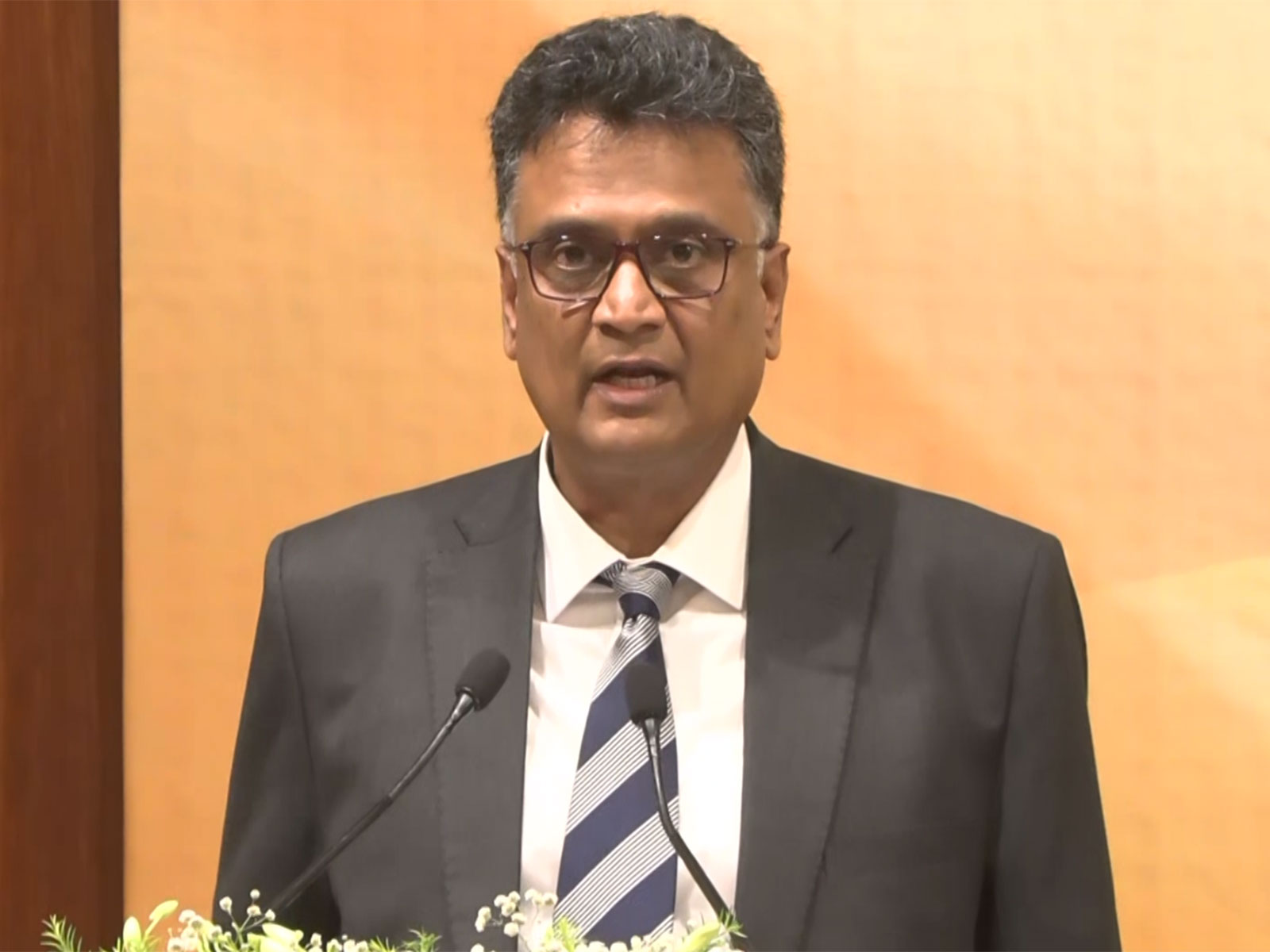
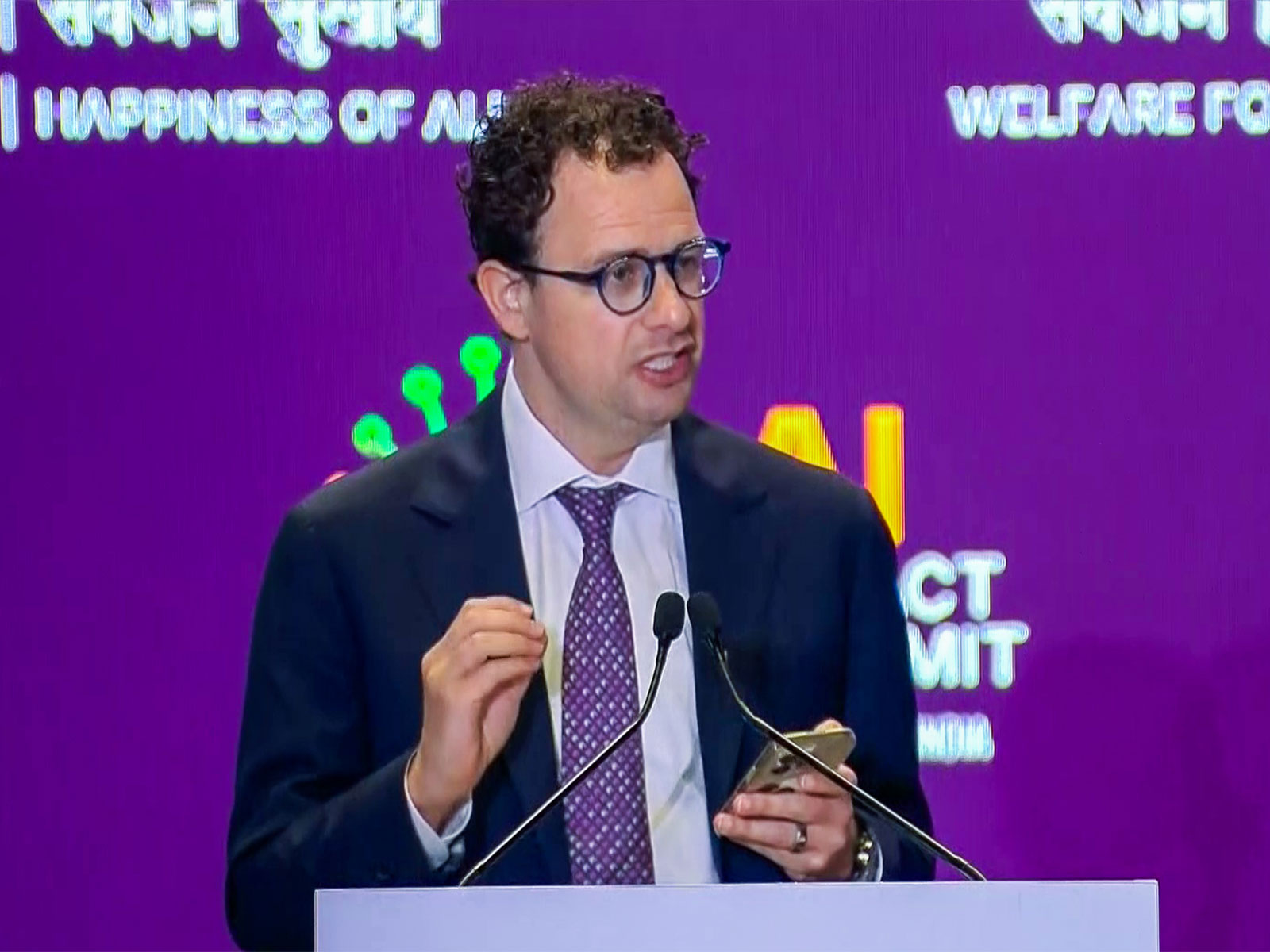
New Delhi [India], May 20 : India should use data and technology to detect corruption and unfair practices in government tenders, with stronger coordination between the Comptroller and Auditor General of India and the Competition Commission of India to identify collusion and protect public funds, Comptroller and Auditor General of India, K Sanjay Murthy said on Wednesday.
Addressing the 17th annual day event of the Competition Commission of India, Murthy said audit and competition enforcement must work together to identify anti-competitive practices in procurement, as such actions directly affect public expenditure and citizen welfare.
K. Sanjay Murthy said, "The relationship between audit and competition is not incidental. It is structural. In government procurement, when suppliers collude to fix prices, rig bids, or divide markets, they do not merely violate competition law. They also cause direct and measurable loss to the public exchequer."
He said CAG is increasingly using artificial intelligence, machine learning and large-scale data analytics to detect irregularities in procurement systems and generate evidence for action.
"We are currently deploying artificial intelligence and machine learning tools to analyse this data in its entirety, moving far beyond the entity sampling paradigm to the selection of detailed audit after holistic analysis," Murthy said.
He added that audit systems are now moving towards real-time monitoring to identify suspicious patterns across tenders.
"Modernized audit systems will identify repeated bid rotations, suspicious clustering of vendors, and concentration of awards, and patterns limiting competition across tenders. Going forward, our vision is to enable near real-time identification of procurement concentration and cartel risk indicators," he said.
Murthy said the two institutions can create "enormous national value" by sharing data and insights, especially as India's public procurement ecosystem becomes more digital and complex.
He also said CAG findings have, in several cases, helped trigger investigations by the Competition Commission of India into cartelisation and bid-rigging in public tenders, including a recent April 2026 order against 17 entities for collusive bidding.
According to him, such collaboration will become more important as India moves toward its goal of becoming a developed economy by 2047, where competitive markets and transparent public spending will remain central to growth.