Canada "reliable, stable partner" for critical minerals and uranium, sets target of 100 gigawatts for nuclear energy by 2030: MEA
Mar 02, 2026
New Delhi [India], March 2 : India and Canada are strengthening their partnership on critical minerals and clean energy, with Canadian PM Mark Carney emphasising Canada's commitment to being a reliable partner for India.
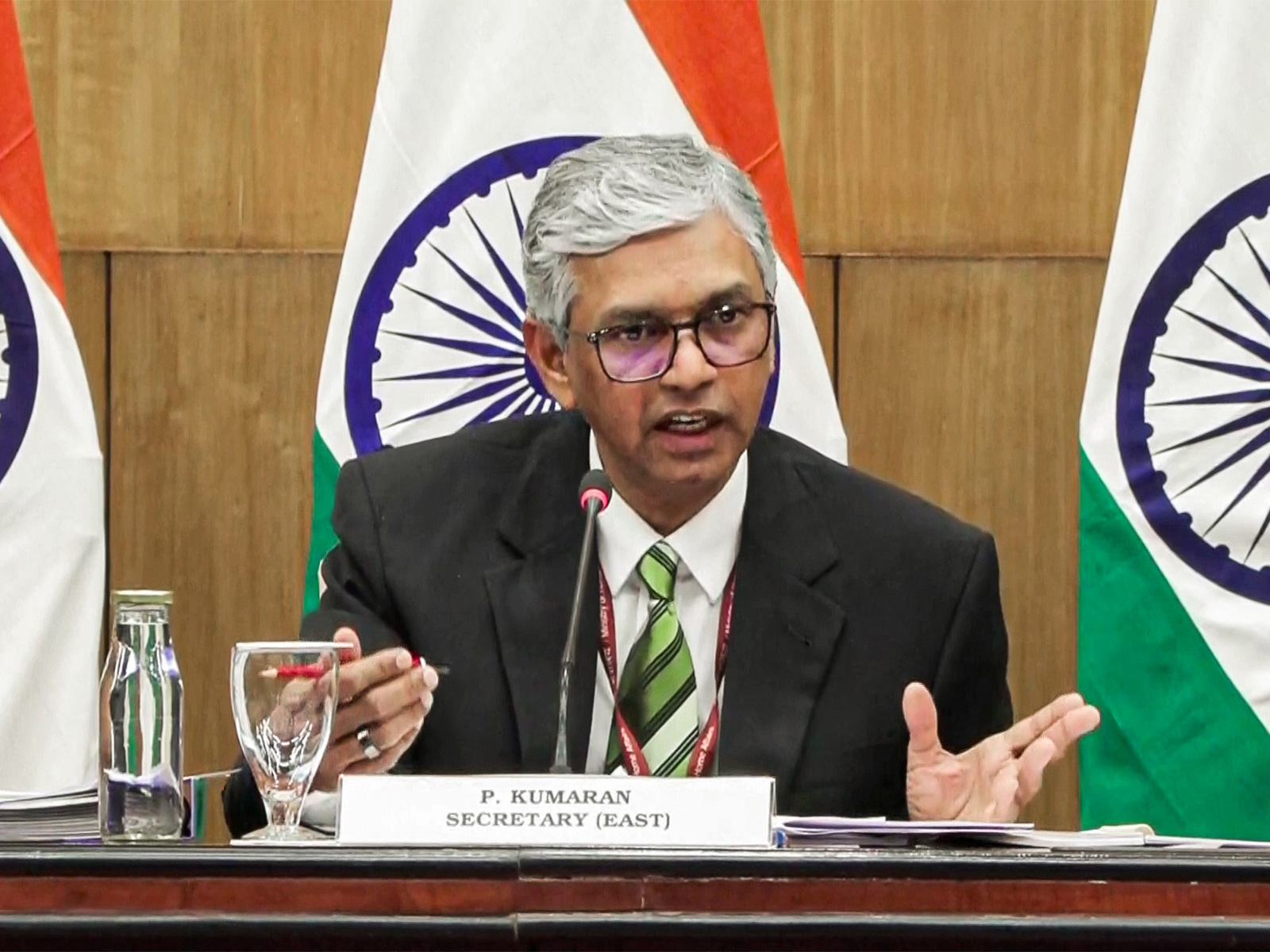
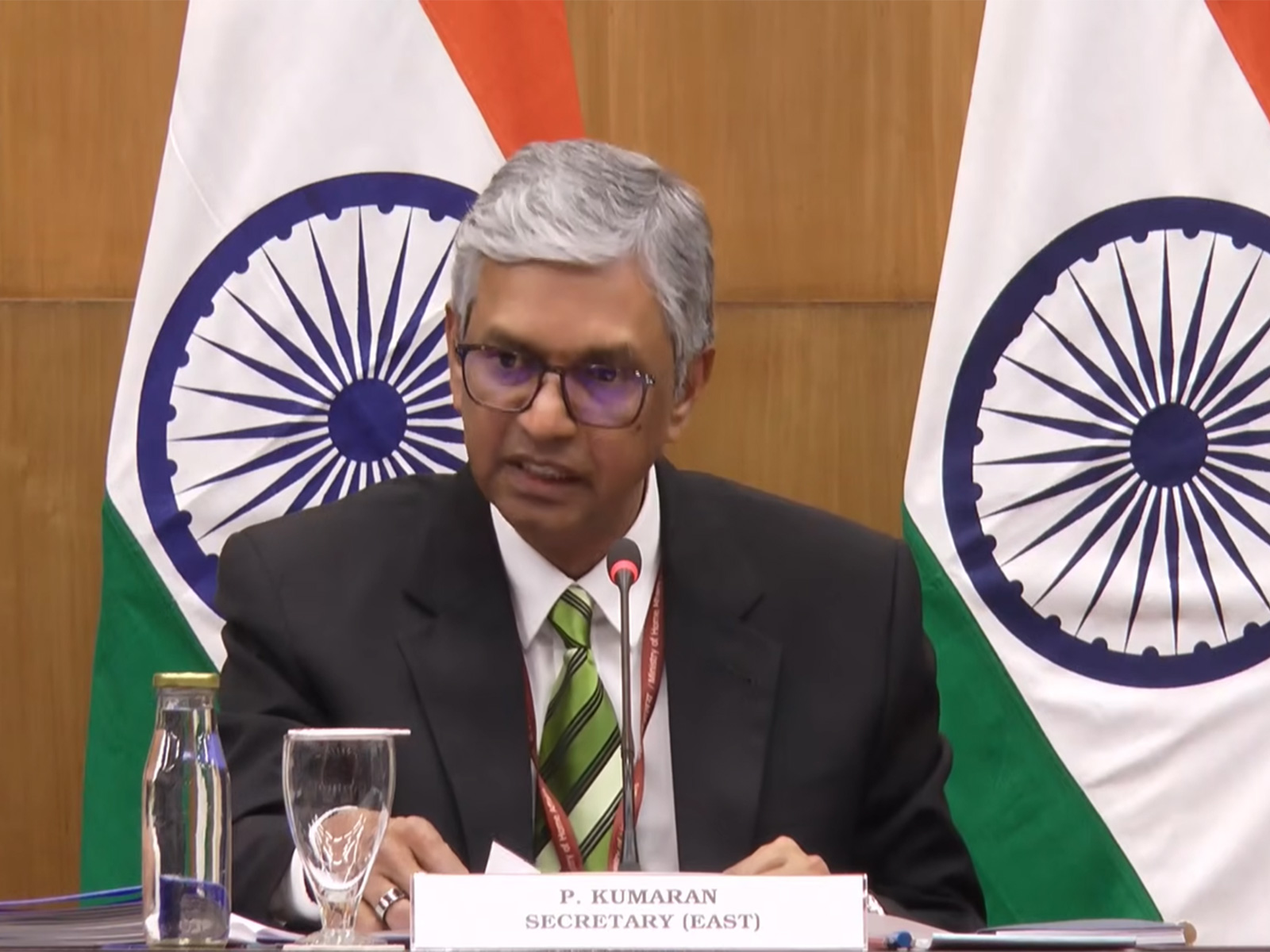
During the Ministry of External Affairs briefing on Canadian PM Mark Carney's official visit to India, Secretary (East) P Kumaran stated that both countries are working together on clean energy, including nuclear fuel supplies, small modular reactors, and advanced conventional reactors. Kumaran noted that PM Carney emphasised Canada's reliability "at least thrice."
"Canadian PM Carney underlined at least thrice during his interactions with the Prime Minister today that Canada is determined to be a reliable and stable partner for India in terms of sourcing various products. One of the pillars is also clean energy. There is a broad commitment on both sides to try and work together on clean energy. As I mentioned, apart from a few other topics, nuclear fuel supplies, the kind of reactors, small modular reactors and advanced conventional reactors, there is also uh a commitment to work together on all parts of the reactor value chain," he said.
Prime Minister Narendra Modi has set an aggressive target to reach 100 GW of nuclear power capacity by 2047 (and a significant scale-up by 2030). Moreover, Canada sees value in cooperating with India amidst global turbulence.
With trade tensions rising with the U.S. (including 15% tariffs), Canada is pivoting toward India to diversify its resource exports. As the Middle East faces an escalating Israel-Iran crisis, diversifying energy sources away from the Persian Gulf toward stable partners like Canada is a matter of national security.
"I would try and place all this in the context of the geopolitical turbulence in the world right now. Canada clearly sees value in cooperating with India at this point. We clearly are interested in diversifying all kinds of clean energy that we can access. PM Modi told PM Carney that we have set a target of 100 gigawatts for nuclear energy for the next few years, by 2030 and PM Carney said they would be very glad to be partners in that journey together to work with us and ensure that, among other things, nuclear fuel is also available," he said.
Currently, India has approximately 8.8 GW of installed nuclear capacity. To bridge the massive gap toward 100 GW, India requires an "unwavering" supply of fuel.
Canada's Cameco Corp. has stepped in with a landmark deal to supply $2.6 billion of uranium concentrate over nine years (2027-2035). This provides the fuel security necessary for India to move its "reform express" into the nuclear sector.
Unlike previous agreements that focused solely on raw material, this 2026 pact covers the entire lifecycle of nuclear technology. Both leaders are committed to the joint development and deployment of SMRs. These are seen as the "future of the grid" because they can replace ageing coal plants and provide decentralised power.
Cooperation will extend to existing heavy-water reactor technologies (the evolution of the original CANDU designs). Beyond uranium, a new MoU on Critical Minerals was signed to secure supply chains for lithium, cobalt, and rare earths--essential for India's EV and semiconductor goals.
On the Comprehensive Economic Partnership Agreement (CEPA) between India and Canada, Kumaran said, "We've just agreed on the terms of reference, and we will soon get into detailed discussions. The broad deadline is by the end of the year 2026."
On investments between India and Canada, he said, "Canadian pension funds invest very large amounts in India. The investments by them have crossed over 100 billion dollars. I believe the figure is some 107 billion dollars."
Kumaran said that Canada sees a lot of value in investing in India.
"That is something that is interesting for them. There are multiple Canadian pension funds, provincial, federal, et cetera, and different categories of employees. They see a lot of value in investing in India, given the sustained growth story and also what they see as the outlook for the future. It is something that has worked well for them in the past. 30% of their pension fund investments in the Asia-Pacific are just in India," he said.
Kumaran further said that Canada would like the Indian investment market to try and provide benefits that we currently provide for sovereign wealth funds.
"This is obviously a large number, and it shows a lot of commitment to the Indian market. We were also told that they would like the Indian investment market to try and provide benefits that we currently provide for sovereign wealth funds, expand them to pension funds, and to make India a competitive investment market compared to other financial centres in the region. The Prime Minister said he will look into it and discuss with our team in India and take that on board to see what can be done."