CBI, ED oppose Christian Michel's challenge to India-UAE Extradition Treaty in Delhi HC
Jan 09, 2026
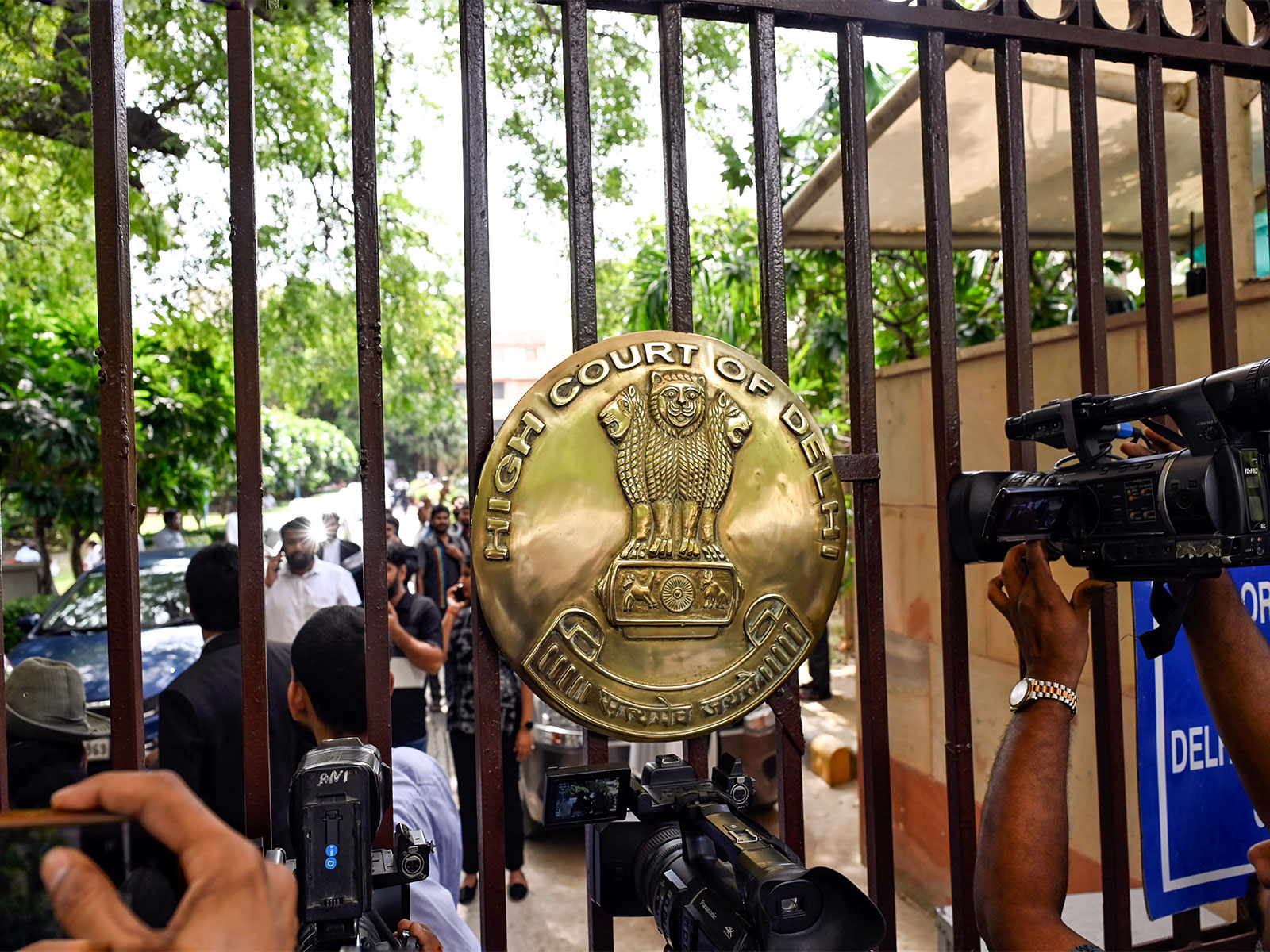
New Delhi [India], January 9 : The Central Bureau of Investigation (CBI) and the Enforcement Directorate (ED) have strongly opposed a plea filed by Christian Michel James before the Delhi High Court, challenging the applicability of the India-UAE Extradition Treaty, terming the petition a misuse of legal process and an attempt to reopen issues already settled by constitutional courts.
In its reply, the CBI has argued that Michel is repeatedly re-agitating questions that have been conclusively decided by both the Delhi High Court and the Supreme Court.
The agency maintained that Michel's extradition from the United Arab Emirates was carried out strictly in accordance with law and only after he exhausted all available legal remedies before courts in the UAE. Relying on findings of the Dubai Supreme Court, the CBI pointed out that Michel was extradited on allegations of misuse of position, money laundering, collusion, fraud, misappropriation and offering illegal gratification offences, which form the core of the prosecution in India.
The ED, in its separate reply, echoed the CBI's stand and submitted that Michel's writ petition is liable to be dismissed as it seeks re-adjudication of settled issues, amounting to abuse of the High Court's extraordinary writ jurisdiction. The agency clarified that the UAE extradition decree itself records allegations of misuse of position, money laundering, fraud, collusion, misappropriation and illegal gratification, leaving no scope for invoking the Doctrine of Speciality under Section 21 of the Extradition Act.
Emphasising the treaty framework, the ED stressed that Article 17 of the India-UAE Extradition Treaty expressly permits prosecution not only for offences for which extradition was sought but also for connected offences. According to the ED, this includes prosecution under the Prevention of Money Laundering Act (PMLA), negating Michel's claim that his trial violates extradition safeguards.
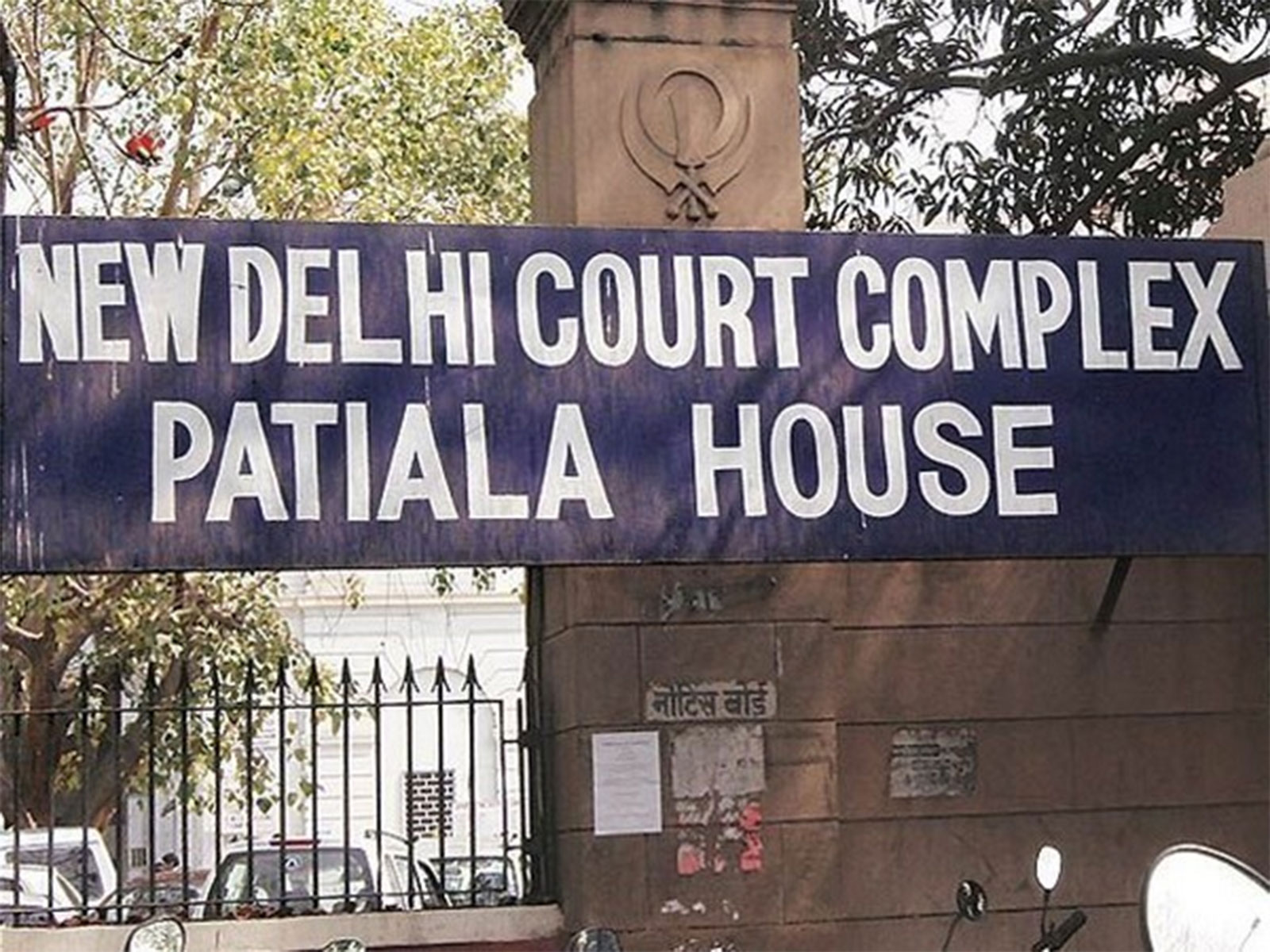
Meanwhile, the Delhi High Court on Friday, during the hearing, directed all parties to file brief written synopses along with relevant judgments in Michel's petition challenging the treaty.
A Division Bench of Justice Navin Chawla and Justice Ravinder Dudeja noted that replies have already been filed by the CBI and the ED. The matter has been listed for further hearing on February 20.
During the hearing, counsel for Michel submitted that orders for his release had already been passed in both the CBI and ED cases and that bail conditions in the CBI matter had been modified. However, it was argued that despite this, Michel continues to face difficulties in staying in India due to the absence of valid travel documents. The court was informed that directions had been issued to the Foreigners Regional Registration Office to register Michel as a foreign national residing in India.
Michel contended that although he applied for renewal of his passport pursuant to court directions, the same has not yet been issued.
He argued that the central issue in the case concerns the interpretation of Article 17 of the extradition treaty vis-a-vis Section 21 of the Extradition Act, raising the question of whether an international treaty can override a law enacted by Parliament. Claiming that his maximum sentence concluded on December 4, Michel asserted that continued restrictions on him are unjustified.
Counsel appearing for the Ministry of External Affairs and the Ministry of Home Affairs informed the court that no separate reply was required from their side.
Michel has challenged Article 17 of the India-UAE Extradition Treaty, signed in 1999, which allows the requesting state to prosecute an extradited person not only for the offence for which extradition was granted but also for other connected offences. He was extradited from Dubai in December 2018 and subsequently arrested by the CBI and the ED in connection with the AgustaWestland VVIP chopper scam.
The CBI has alleged that the VVIP chopper deal caused a loss of over 398 million euros to the exchequer, while the ED has claimed that Michel received about 30 million euros as kickbacks from AgustaWestland. Michel is one of three alleged middlemen in the case, the others being Guido Haschke and Carlo Gerosa.