CEEW flags poor-quality protein intake among Indians, says nearly 50% still coming from cereals
Dec 10, 2025
New Delhi [India], December 10 : Indians may be consuming adequate protein on average, but nearly half of it is coming from low-quality cereal sources, according to a new study released by the Council on Energy, Environment and Water (CEEW).
The analysis, based on the latest 2023-24 NSSO Household Consumption Expenditure Survey, highlights deep nutritional imbalances and widening diet-related inequalities across expenditure groups.
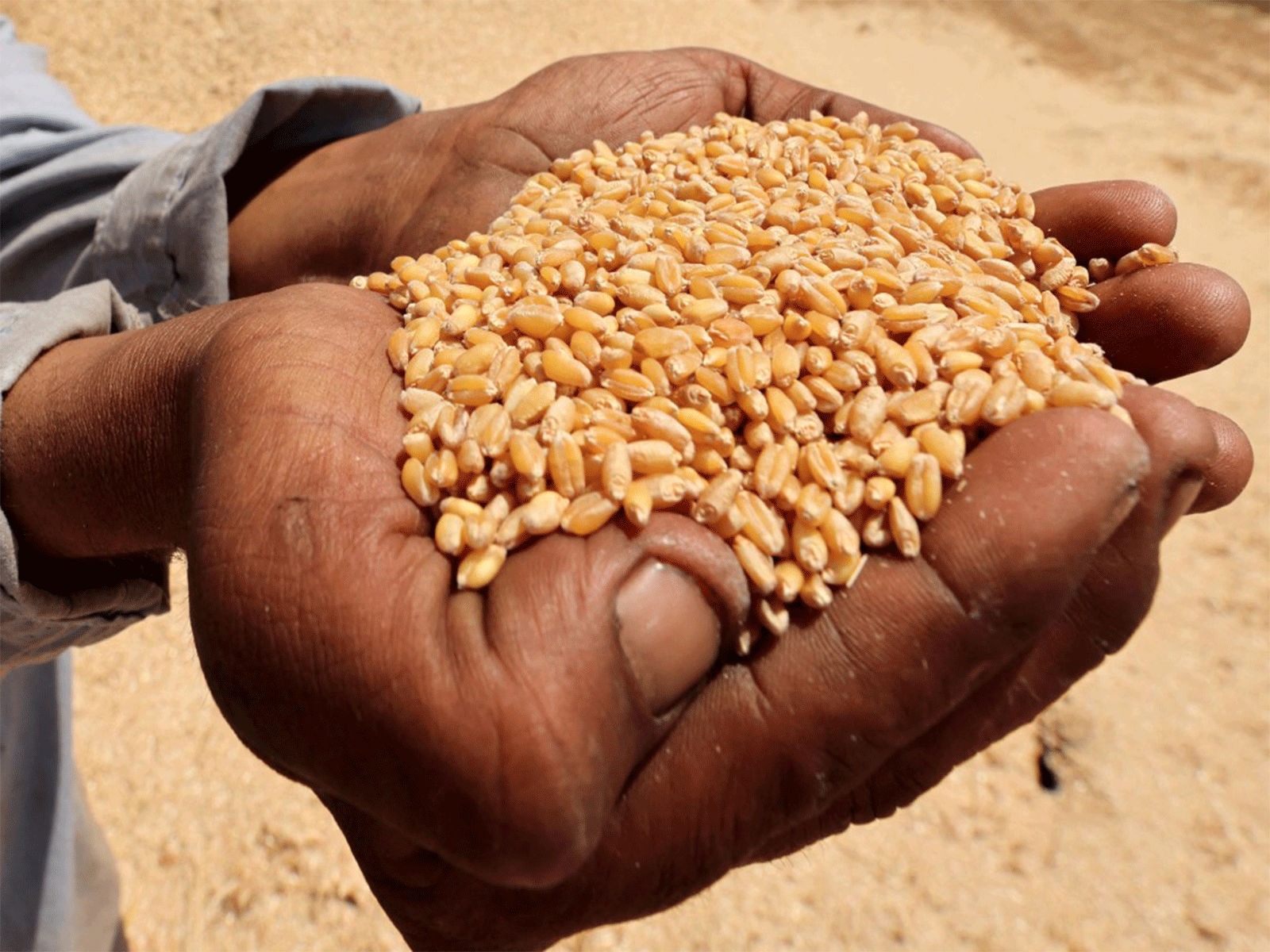
While Indians consume an average of 55.6 grams of protein per day at home, nearly 50% of this intake comes from cereals such as rice, wheat, maida, and suji, far higher than the National Institute of Nutrition's (NIN) recommended 32%. Pulses account for only 11% of total protein intake, well below the 19% recommended, the study reported.
India's protein intake has increased only slightly over the past decade, yet it remains adequate. According to the Ministry of Statistics and Programme Implementation of India, average daily per capita protein intake rose from 60.7 g to 61.8 g in rural areas and from 60.3 g to 63.4 g in urban areas between 2011-12 and 2023-24.
India's protein intake has increased only marginally over the past decade, but disparities remain pronounced. The top 10% of households consume 1.5 times more protein than the poorest. Animal-based protein consumption shows the widest gap: the poorest rural households meet only 38% of the recommended intake of eggs, fish, and meat, while the richest exceed requirements, according to a CEEW report.
Milk consumption shows a similar pattern, with only one-third of the recommended level among the poorest, compared with over 110% among the highest expenditure groups.
India's diet remains heavily skewed toward cereals and cooking oils, with both contributing to significant nutritional imbalance. Nearly three-fourths of all carbohydrates come from cereals, and direct cereal intake continues to be 1.5 times the RDA, reinforced by the widespread availability of subsidised rice and wheat through the PDS in lower-expenditure deciles.
Coarse grains such as jowar, bajra, and ragi have experienced the steepest decline in at-home consumption, with per capita consumption falling by nearly 40% over the past decade, resulting in Indians meeting barely 15% of the recommended intake.
At the same time, the proportion of households consuming more than 1.5 times the recommended fat intake has more than doubled in the last decade, with higher-expenditure households consuming almost twice as much fat as lower-expenditure groups.