Centre committed to keeping Aravalli safe, says Environment Minister Bhupender Yadav; Congress alleges reclassification will "destroy entire ecosystem"
Dec 22, 2025
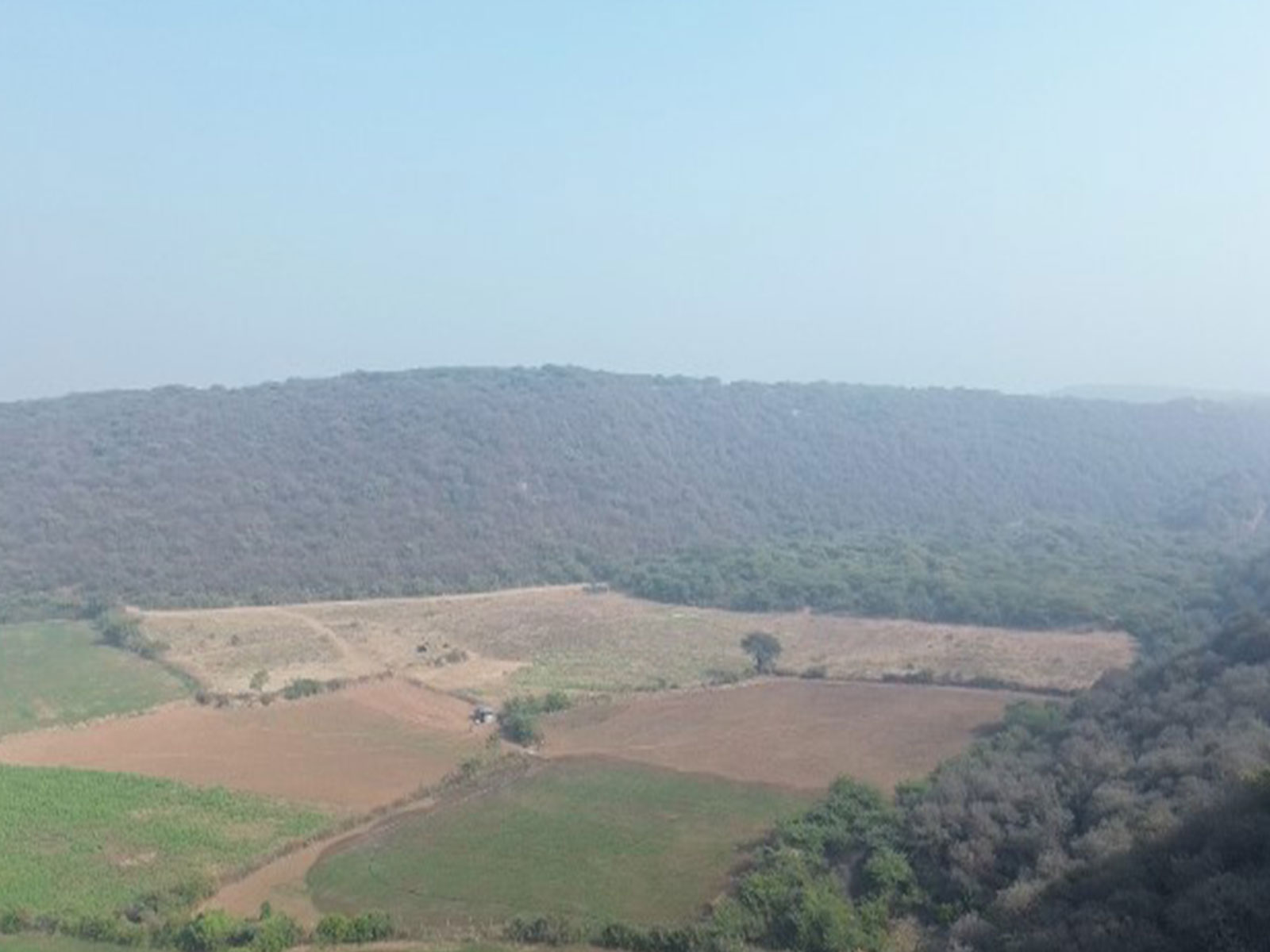
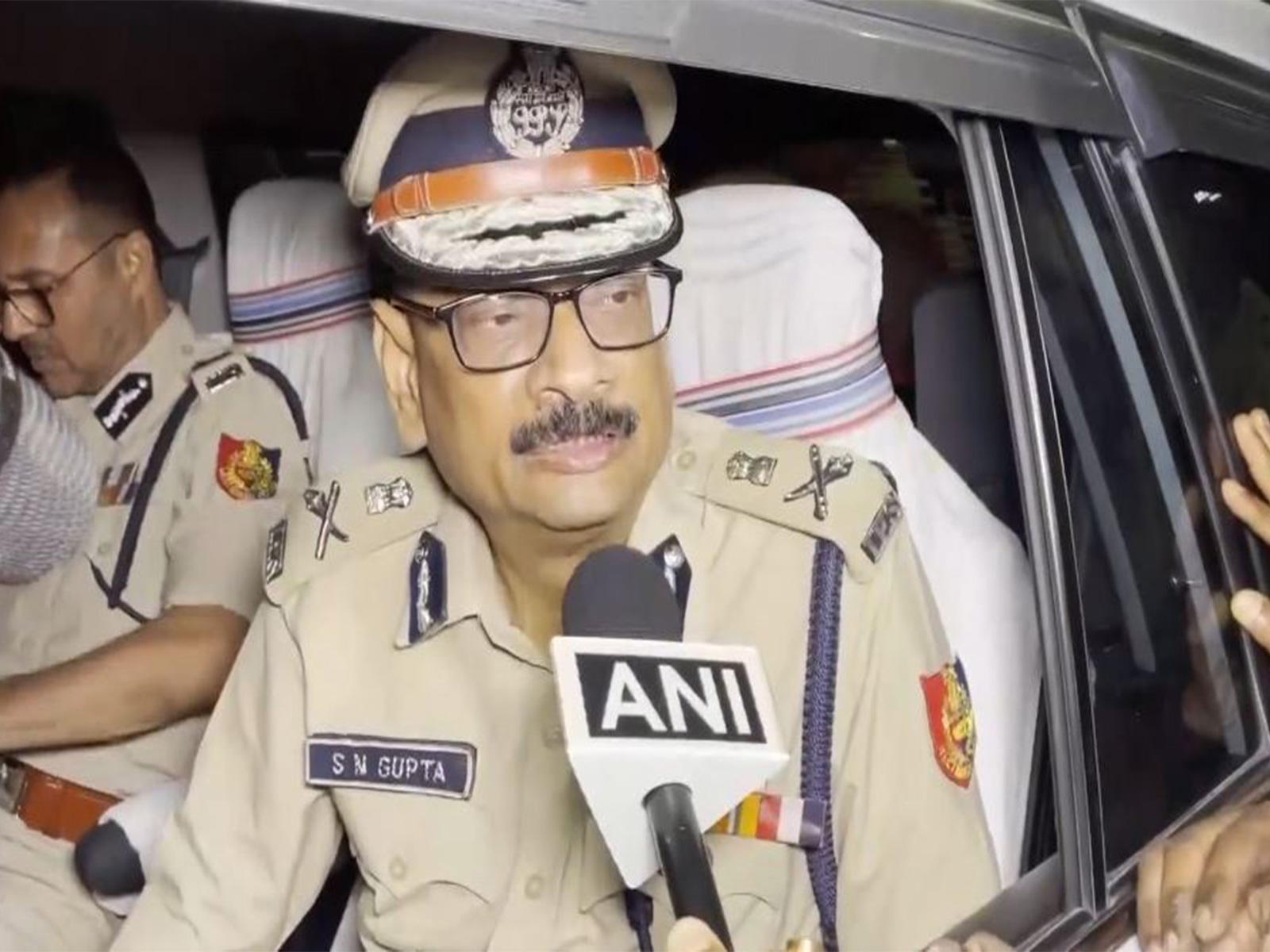
New Delhi [India], December 22 : Following protests in some parts of India due to the Centre's reclassification of the Aravalli hill range, Union Minister for Environment, Forest, and Climate Change Bhupender Yadav on Monday looked to allay fears on any environmental damage to the nearly 2-billion-year old range, assuring that the government is committed to keeping the hills safe.
According to the union minister, the reclassification has been done to bring uniformity in the enforcement of environmental laws across states, as before each state had its own classification to allow mining. Similarly, he also informed that only 0.19 per cent of the whole range has been opened to mining, and no new mines are being opened. The area affected is expected to be 277.89 square kilometres, out of a total 1.44 lakh square kilometres.
"Due to the lack of a clear definition of the Aravalli region earlier, there were considerable irregularities in mining permissions, which are now being attempted to be rectified," he said.
He also said that the definition has been made stricter in order to protect the Green Aravalli wall.
The Union Minister highlighted that under the leadership of Prime Minister Narendra Modi, the Centre has advanced a lot in protecting the environment and addressing issues.
"Under the leadership of the Prime Minister, the Green Aravalli Movement and issues related to Green Aravalli have been advanced in recent years. This is why, in 2014, there were only 24 Ramsar sites in this country, the number has now increased to 96 and among these, the Ramsar sites of Sultanpur, Bhindawas, Asola, Siliserh, and Sambhar in the Aravalli region were declared during our government's tenure. The judgment also stated that steps should be taken for the conservation of the Aravalli range, especially in the areas of Delhi, Haryana, Gujarat, and Rajasthan, for its conservation and preservation," he said.
"More than 90% of the Aravalli region cannot have any kind of mining at all," he added during an exclusive interview with ANI.
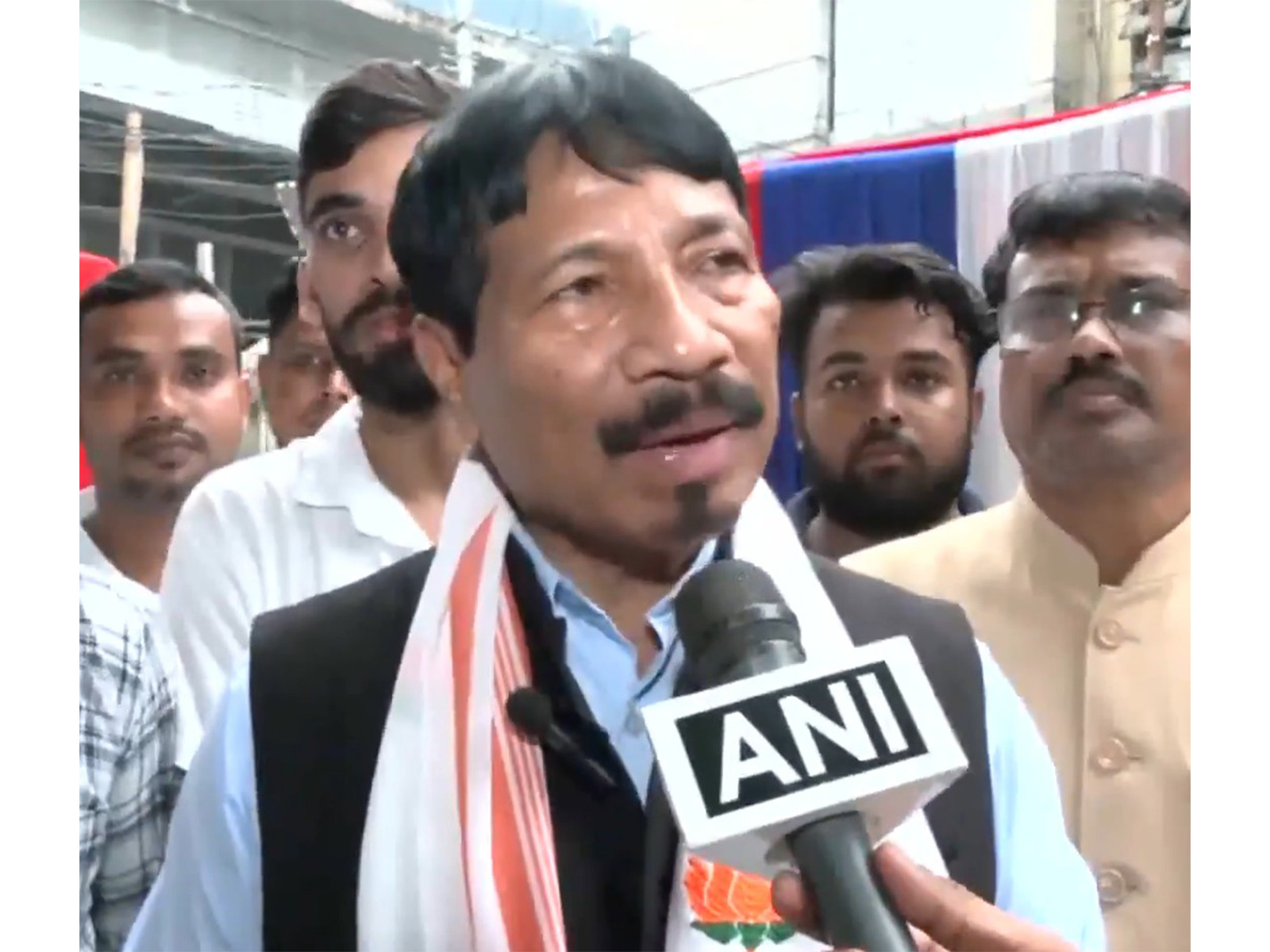
Meanwhile, Rajasthan Deputy Chief Minister Prem Chand Bairwa, said that around 98 per cent of the range is protected, and the remaining 1-2 "will not cause any harm to Rajasthan."
"Yesterday, Union Minister Bhupendra Yadav also said that in Rajasthan, Punjab, and Gujarat, approximately 98% of the area is already protected and reserved. The remaining 1-2% will not cause any harm to Rajasthan," he said.
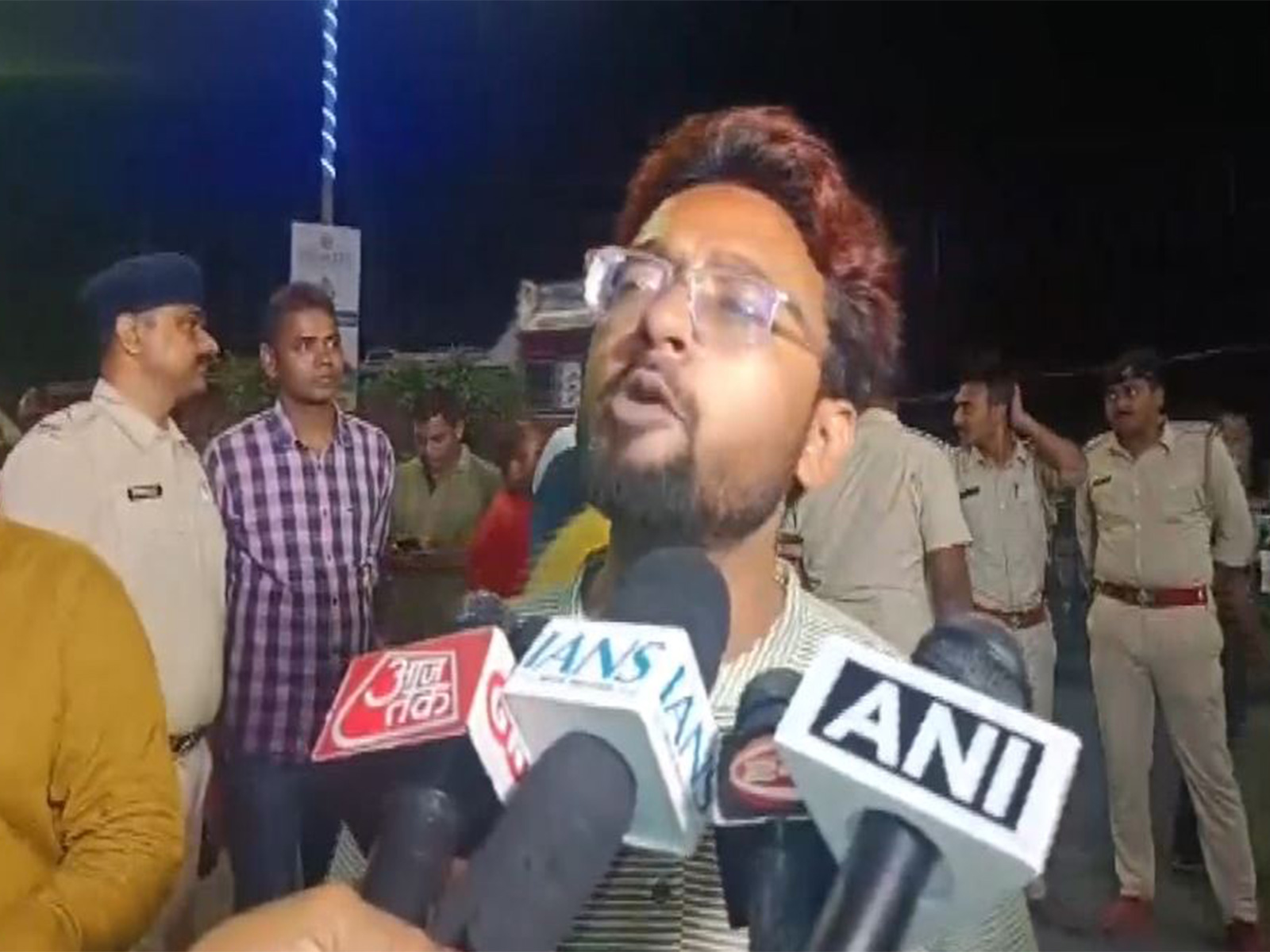
Multiple locals and villagers staying near the range have also started protests across various parts of the range, looking to protect the hills.
"Yes this is very old, but where will people go? They will break this off...where will people go? Where will animals go? This is very wrong, this thing happening in Court," one of the villagers in Haryana said, standing right at the foothills of the range.
"I have seen this (range), since I was 12 years old, even the elders, my ancestors, have also been seeing this. I also graze my cattle here. This (Supreme Court) order is very wrong, our village comes below 100 meters, this area (pointing to the hills behind him), is only 50 feet. Where will the village go? This is wrong," he added.
Saying that he will suffer losses too due to losing grazing land for his animals, he added, "We will suffer losses, our loss will be that where will animals go? We have cows, bull, goats, where will they go?"
Another villager in Haryana said, "I have been staying for a long time, when they remove the village, where will the people go? The village will be affected when they start mining, rocks will fall, dust will reach the village. What will happen to the people then?"
He said that while the village will not get affected directly, the government does not care about the villagers, as they were not consulted before the new definition was accepted.
"The village will not be uprooted, but what about the birds, animals? What can we say? Government did not say anything, we can't say anything. They could raise the issue here in village too, but they didn't," he said.
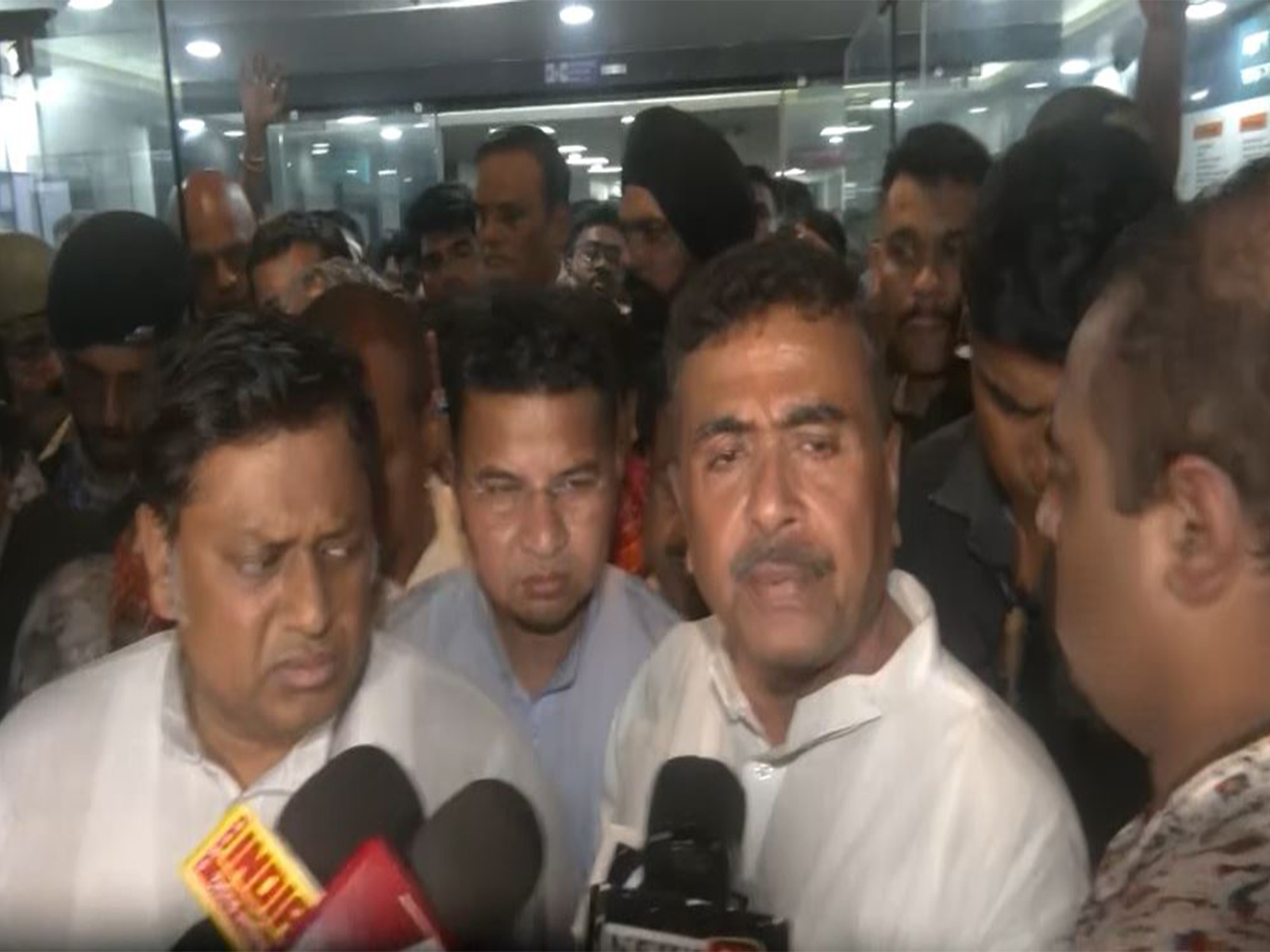
The Congress party too has alleged that the new definition, which was recently accepted by the Supreme Court, will "destroy entire ecosystem" of the region by opening up the region for mining.
Launching strong opposition to the new definition, Congress leader Pawan Khera claimed that if anyone even touches Aravalli, then they will be considered "an enemy of this country, of this entire region."
"If the new order on the Aravallis is implemented, the ecological balance of this entire region, several states, or half of Hindustan will be destroyed. The Aravalli mountain range protects Delhi, Haryana, and the agriculture of this entire area from the sand coming from the Thar Desert. The Aravallis make a very significant contribution to maintaining this entire balance. If anyone even touches the Aravallis, they will be considered an enemy of this country, of this entire region," Khera told ANI.
Party leader Sachin Pilot said that the party will urge the Supreme Court to reconsider its decision, seeing as how the four states where the range is located at are all BJP ruled states.
"We will have to urge the Supreme Court to reconsider its decision, because the four governments in Gujarat, Rajasthan, Haryana, and Delhi are all BJP governments. The central government is also the BJP. So, when there are four engines working together, then they should urge the court to provide protection and ensure that the expansion of the desert stops, pollution stops, and our biodiversity is protected. Our entire ecology will be disturbed, and the Aravalli range provides protection to the entire NCR," he said.
In Rajasthan too, members of the Congress backed National Student Union of India (NSUI) and other organisations took out a demonstration in front of the District Collectorate in Udaipur with people climbing barricades put in front of the office and raising slogans.
The Central government is taking a scientific approach, with Indian Council of Forestry Research and Education (ICFRE) being involved, and a Mining Plan for Sustainable Mining (MPSM) being made for the entire range, after orders from the Supreme Court, according to Union Minister Bhupender Yadav.
The plan, to be prepared by ICFRE on the lines of the Saranda Forest model, will identify permissible mining zones, ecologically sensitive and conservation-critical areas where mining will be strictly prohibited, assess cumulative environmental impacts and ecological carrying capacity, and lay down detailed post-mining restoration and rehabilitation measures.
With the definition now operational, the court has ordered that no fresh mining leases be issued until the MPSM is finalised, a move officials say acts as a preventive shield against immediate ecological damage.
The approach, they argue, ensures landscape-level conservation by treating the Aravallis as a continuous geological ridge, preventing fragmentation, protecting groundwater recharge zones, checking desertification from the Thar, conserving biodiversity habitats, and safeguarding the Delhi-NCR region's critical green lungs.
The Aravalli range is a 670 kilometre long mountain range in the north-western part of India. The highest elevation of the range has been recorded at 1,722 metres.
The hill starts near Delhi, passes through Haryana, Rajasthan, and ends in Gujarat. The highest peak of the range is known as Guru Shikhar, in Mount Abu, Rajasthan.
Aravalli range is the oldest fold-mountain belt in India, dating back around 2 billion years.