Chabahar Port is a strategic, long-term project beyond external pressure: Iran envoy
Jan 06, 2026
By Ayushi Agarwal
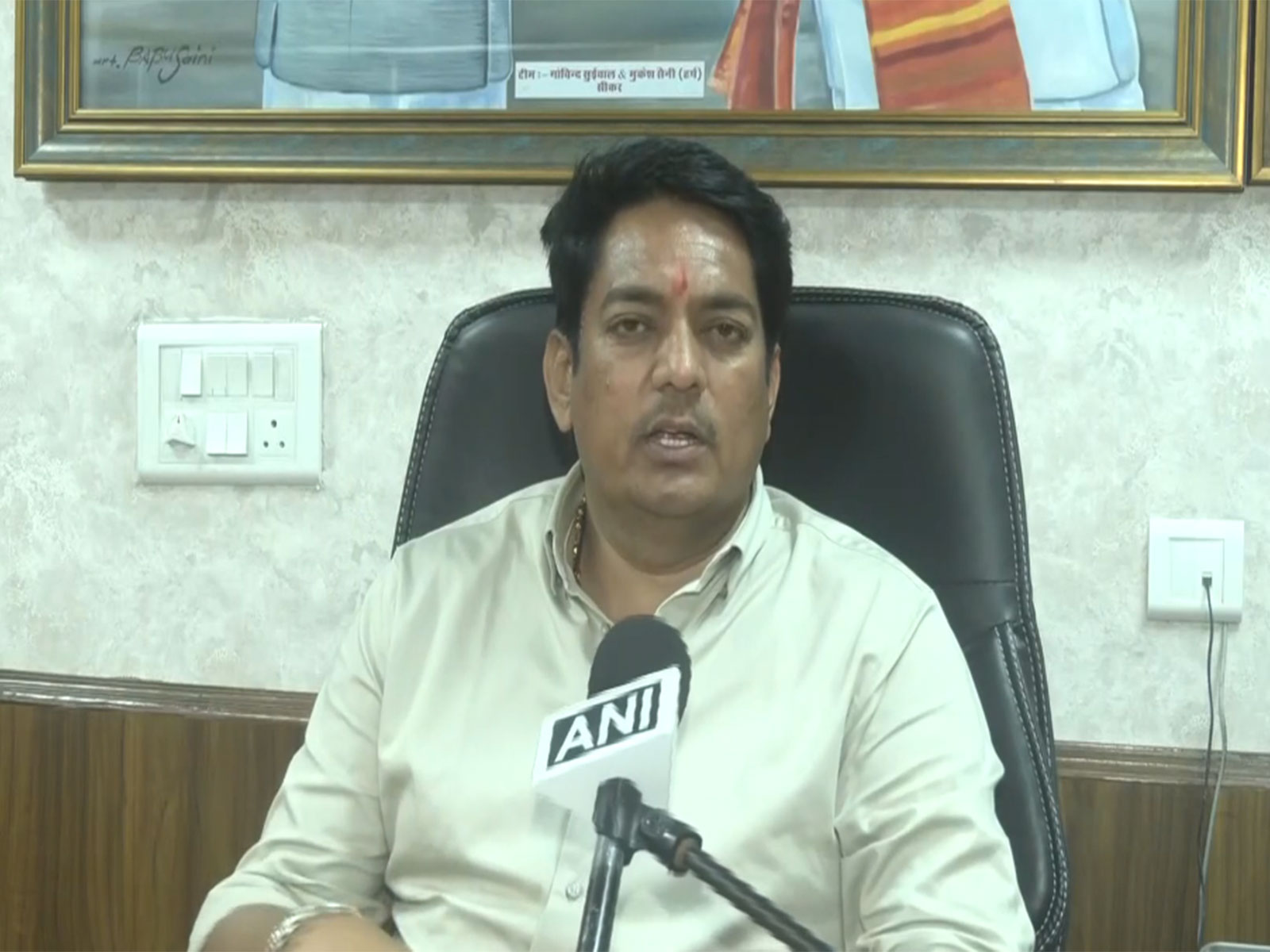
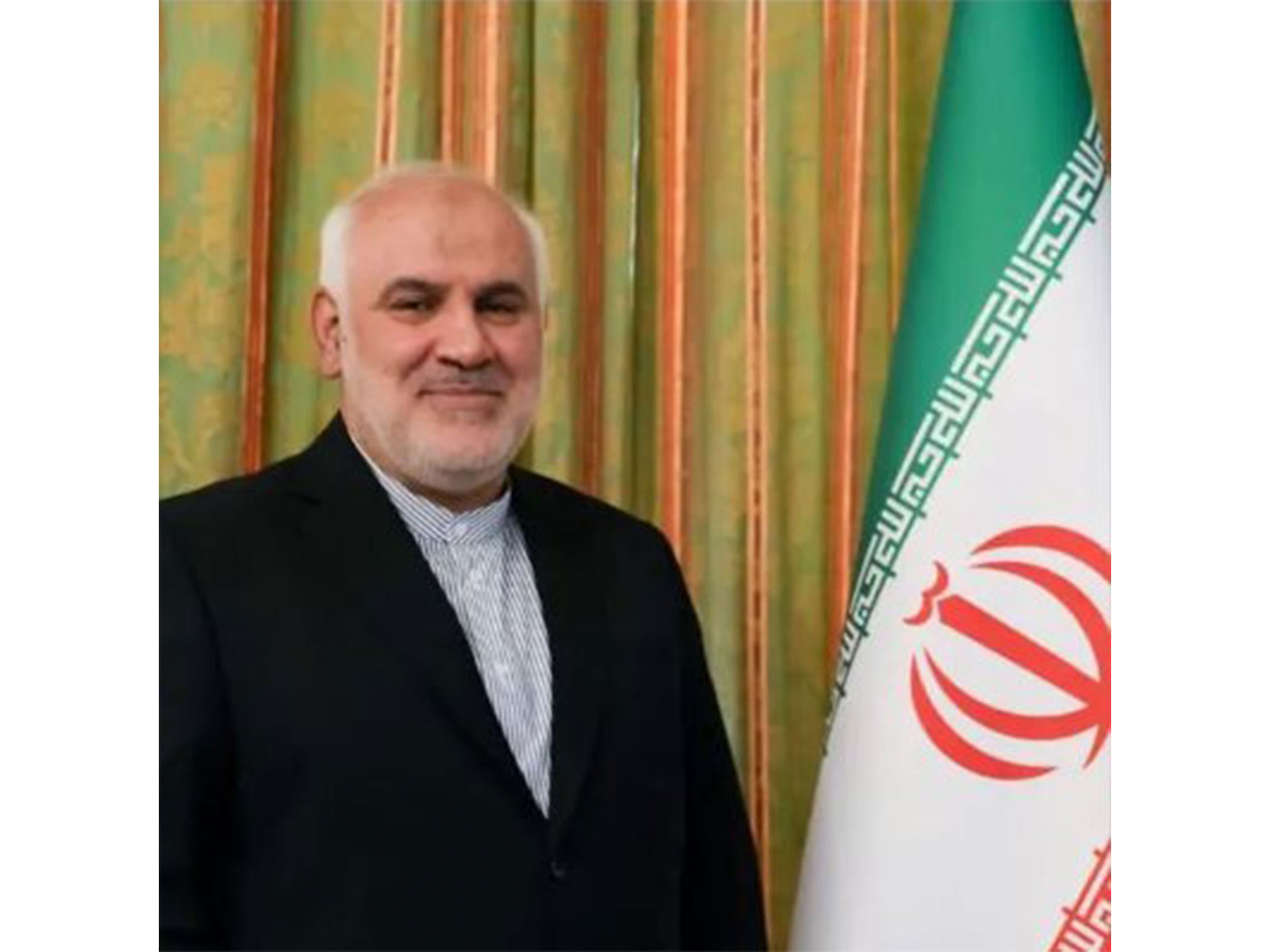
New Delhi [India], January 6 : Iranian Ambassador to India Mohammad Fathali has emphasised that the Chabahar Port project is a strategic, long-term initiative aimed at enhancing regional connectivity and sustainable development, asserting that it should not be affected by temporary factors or external pressures.
In an interview with ANI, Ambassador Mohammad Fathali said that India-Iran relations continue to display depth and resilience, rooted in a long history of friendship and shared interests. Despite certain external constraints, he noted that bilateral ties have maintained continuity and dynamism.
"As major regional powers, Iran and India share a common outlook on stability, development and multilateral cooperation," he said, adding that this shared vision provides a strong foundation for further strengthening relations.
Building on this shared outlook, the ambassador underlined that while cooperation between the two countries has progressed steadily, its full potential remains untapped. He identified energy, transit and connectivity as key sectors where bilateral engagement could expand significantly in the coming years.
Highlighting Iran's geopolitical importance in this context, Ambassador Mohammad Fathali said that Iran serves as a regional crossroads, offering India vital access to Central Asia, the Caucasus and Europe. Combined with Iran's vast energy capacities, he said this positioning can play a crucial role in strengthening economic and strategic ties between New Delhi and Tehran.
Against this backdrop, and addressing concerns surrounding the temporary nature of the US sanctions waiver for Chabahar Port, the Iranian envoy stressed that the project goes beyond immediate economic considerations. "Chabahar Port is not merely an economic project for Iran and India; it is a strategic and long-term initiative," he said.
He added that both countries have structured their cooperation around shared, long-term needs, ensuring that the project remains viable and sustainable. Iran, he said, has taken extensive steps to diversify the port's functions, strengthen logistical infrastructure and integrate Chabahar into wider regional transit networks to secure its long-term operational and economic stability.
"Chabahar Port is not merely an economic project for Iran and India; it is a strategic and long-term initiative aimed at enhancing regional connectivity and sustainable development. Recognising the special importance of this port, the two countries have designed their cooperation based on shared interests and long-term needs, and such cooperation should not be undermined by temporary factors or external pressures," the Iranian envoy said.
"At the same time, Iran has undertaken extensive measures to diversify the port's functions, strengthen its logistical infrastructure, and integrate Chabahar into regional transit networks, ensuring its long-term economic and operational sustainability," he added.
The ambassador's remarks come amid renewed attention on the strategic significance of Chabahar Port. Located in south-eastern Iran near the China-controlled Gwadar Port, the port holds considerable logistical and strategic advantages. It comprises two main terminals, Shahid Kalantari and Shahid Beheshti, each equipped with five berths, enabling substantial cargo-handling capacity.
In line with this long-term vision, India signed a 10-year agreement with Iran in 2024 for the operation of the Chabahar Port. The deal, concluded between Indian Ports Global Ltd (IPGL) and Iran's Port and Maritime Organisation (PMO), grants India operational control over the Shahid Beheshti terminal, a key component of the port's infrastructure.
However, developments in 2025 posed external challenges to the project. The United States announced that it would withdraw the sanctions waiver granted in 2018 for activities linked to Iran's Chabahar Port, a move that would make individuals associated with port operations liable for sanctions under the Iran Freedom and Counter-Proliferation Act.
The US Department of State said the revocation would take effect from September 29, 2025, adding that the decision aligned with President Donald Trump's maximum pressure policy directed at the Iranian regime.