Chandigarh Tricity cab driver union continues protest, demands fair regulations
Jun 22, 2026
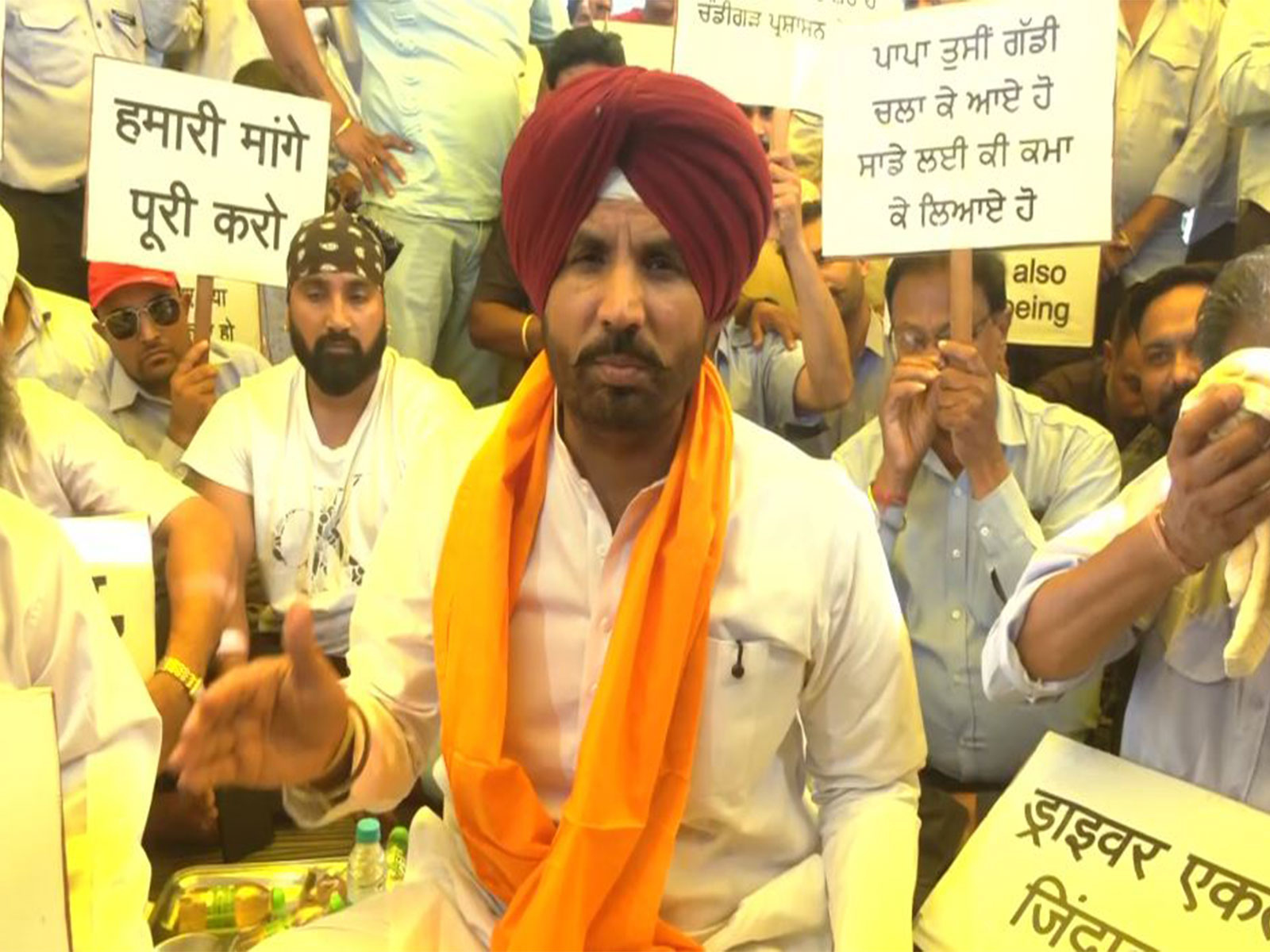
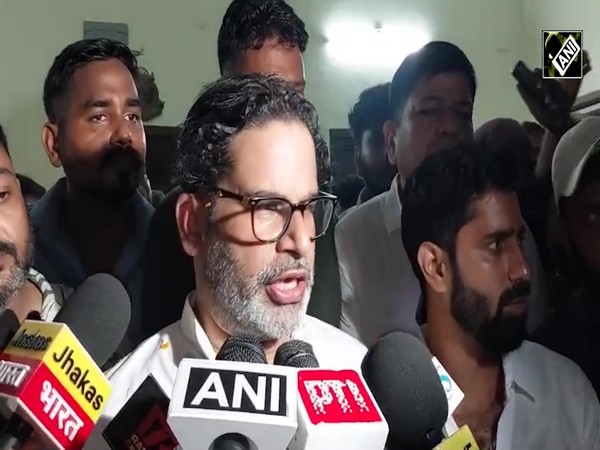
Chandigarh (Punjab) [India], June 22 : The Chandigarh Tricity Driver Union on Monday continued its protest for fair regulations, transparent policies, and protection from alleged corporate exploitation, with Punjab Congress president Amarinder Singh Raja Warring joining the cab drivers who have been on strike for the past several days.
Warring raised serious concerns over the functioning of app-based cab services and alleged collusion between companies and authorities.
"I came to know about our driver brothers who daily transport thousands and lakhs of passengers to their destinations. They have been on strike for the last 21 days. These are the drivers associated with companies like Ola, Uber, and Rapido earning their livelihood through these apps," he said.
He highlighted the dependence of thousands of drivers on app-based cab platforms for their daily income.
"When I heard about their problems, I realised that a huge nexus is operating across the country, and it's active here in Chandigarh as well. Regarding the companies I mentioned, Ola, Uber, Rapido, there is another one called 'BlaBla'. No one knows who runs it, from where, or how it operates. However, the app exists, taxis are available through it, and passengers are transported. Some drivers have even been murdered by people using this app, yet the administration claims to have no knowledge of it," the Punjab Congress chief said. 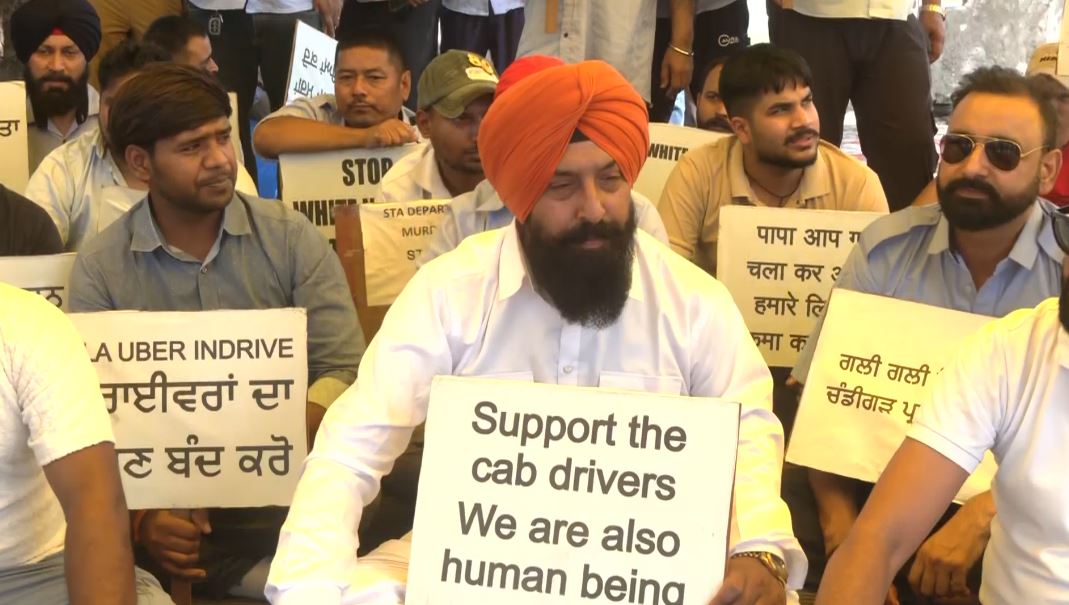
Warring alleged the existence of a wider nexus and raised concerns over regulation and safety in app-based transport services.
"This means someone is running a business in collusion with the administration, causing losses of crores of rupees. No money is being deposited into the government treasury. Who is running this app? Who is using it as a passenger? The administration seems to have no information about this. Surely they must know about it, but it's being ignored because members of the Chandigarh administration are likely involved," Warring stated.
He alleged possible administrative complicity and questioned the share of commission these cab aggregators get.
He asserted, "Without the involvement of the administration, this wouldn't be possible. The police are stationed everywhere, and traffic police are also present. The issue with other companies is the commission. Previously, they were taking a 50% commission. If a taxi driver earned 1,000 rupees a day, 500 rupees would go to these companies.
He criticised high commission structures and questioned enforcement oversight.
"The companies don't pay for fuel, the car, or the driver. This is the biggest loot in India. Both the central and state governments must look into this. Taking 50% just for an app is unfair. Due to unemployment, these people bought their own cabs. They pay monthly instalments of at least 17,000 to 20,000 rupees even for a small car like a WagonR," Warring said.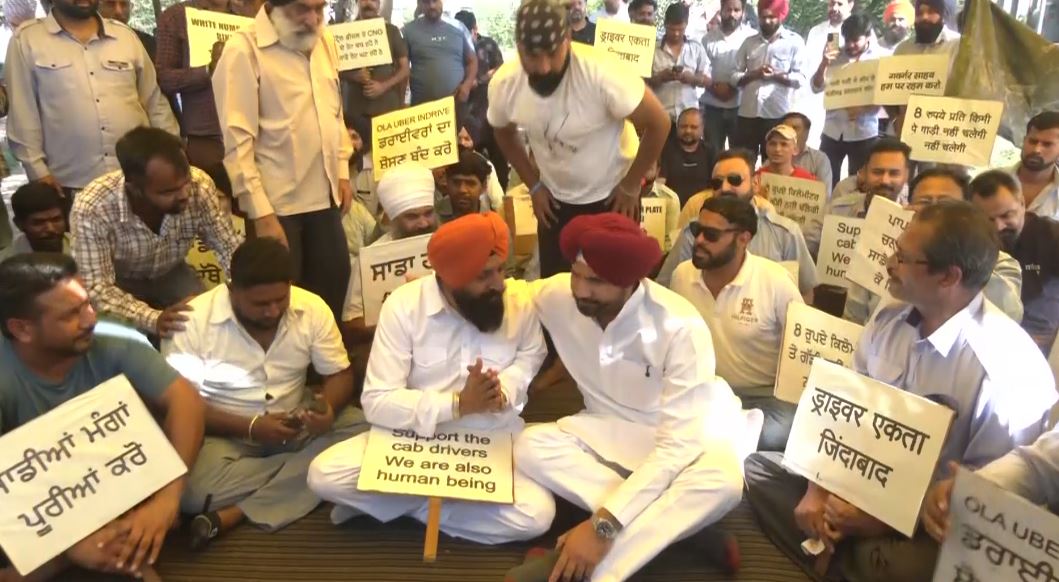
The Congress leader said drivers are financially burdened due to EMIs and rising operational costs.
"Then there's insurance, taxes for the yellow commercial plate, and state-crossing taxes. Even if the car isn't moving, they still have to pay these taxes," he added.
Pointing out multiple statutory and operational costs faced by drivers, Warring said, "After a long struggle and protests, an aggregator policy was formulated in Chandigarh. But that policy is not being implemented. Now, these drivers are protesting for its implementation. Under the new policy, companies are demanding a 20% commission. For example, if a driver makes a trip worth 200 rupees, the company might deduct 200 rupees upfront in the morning, which means 100% of the earnings go to the company."
"The administration and companies are working together on this. If a driver takes a ride for 200 rupees, 20 rupees should be deducted. Even 20 rupees is high because your involvement is just providing an app service. Why not fix it at 5 rupees? The government and transport ministry should decide on a flat rate like 5 rupees so it's not a burden on the passenger," he added. 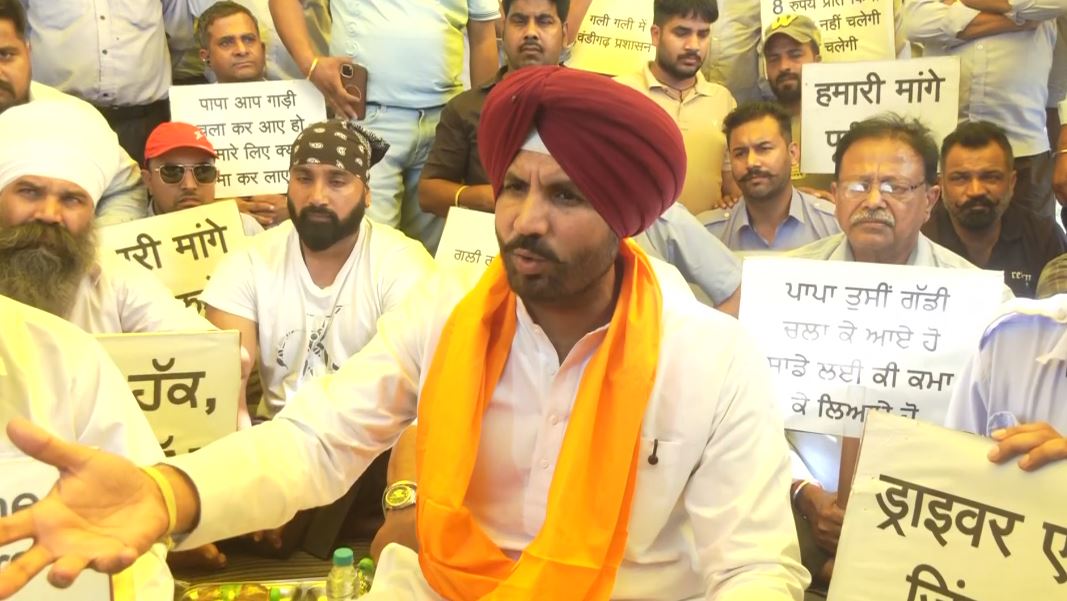
He demanded a fixed, minimal commission structure to reduce financial burden on drivers and passengers.
"The companies have no offices, no medical benefits for drivers, and no insurance. If a driver dies, the company bears no responsibility. Any fines, damages, or accidents are the sole responsibility of the driver. Even a 20% commission is too much. Around 35,000 taxi drivers in the Tri-city area are facing this injustice, and the government must intervene," Warring added.