China opposes proposed US tariffs over forced labour allegations, backs trade talks
Jun 08, 2026
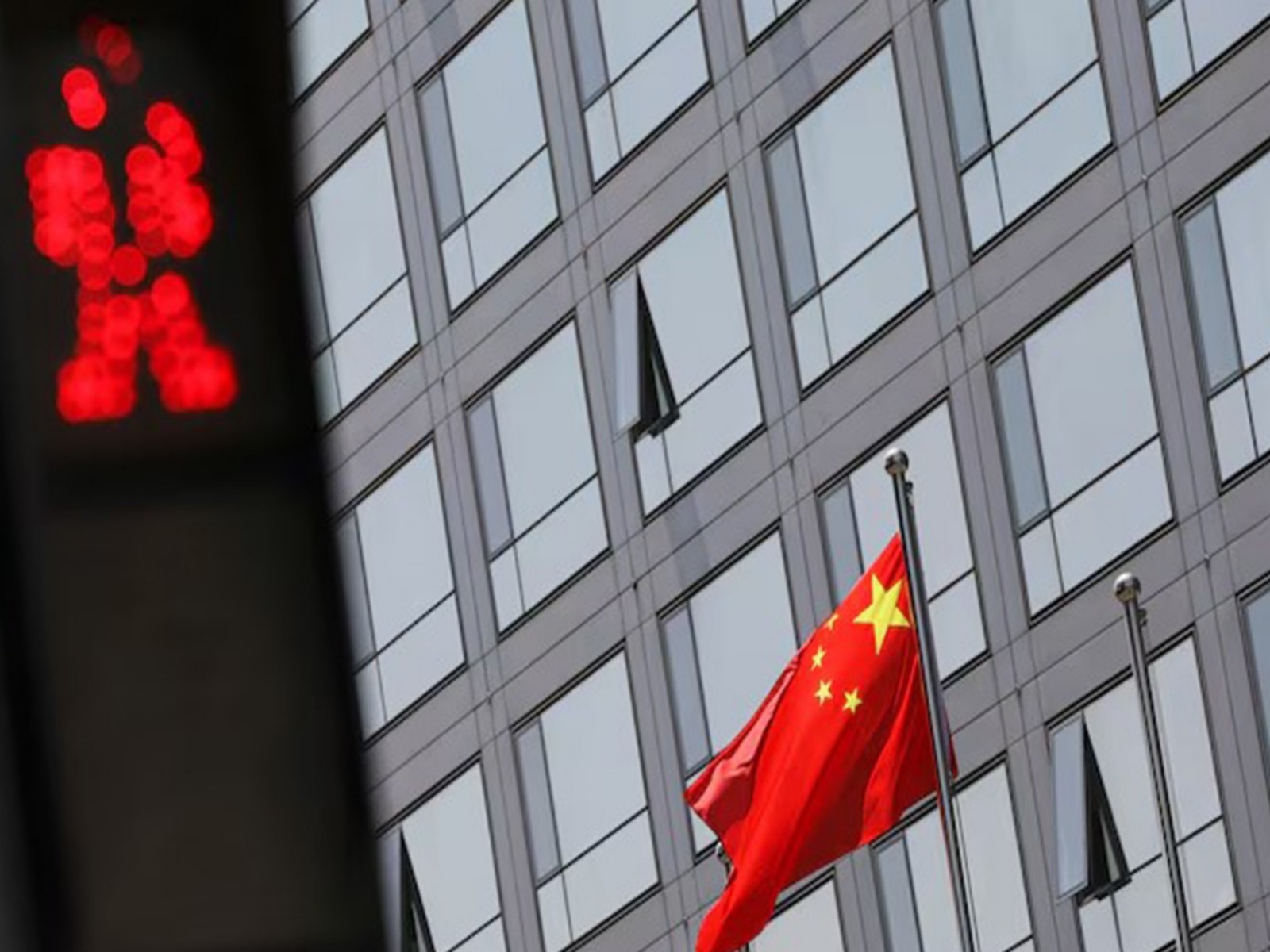
New Delhi [India], June 8 : China has opposed the US Trade Representative's (USTR) proposal to impose additional tariffs on China and 59 other economies over alleged forced labour practices, while welcoming indications that tariff reductions could be considered for certain non-sensitive products.
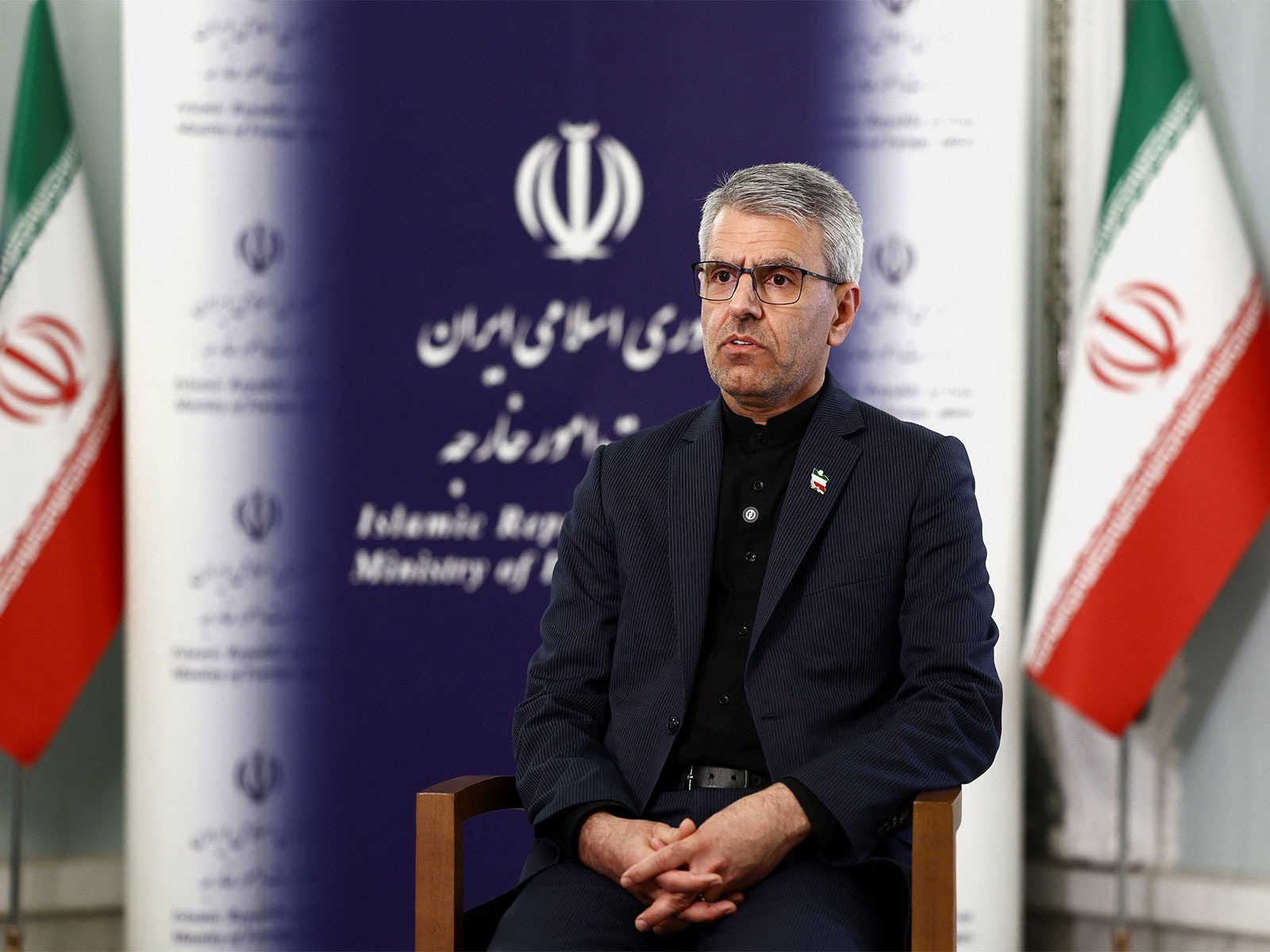
China's Ministry of Commerce (MOFCOM), in a statement on social media platform X, reiterated its opposition to unilateral trade restrictions and highlighted a newly agreed "Board of Trade" mechanism aimed at discussing reciprocal tariff reductions.
MOFCOM said China's position on the Section 301 investigation remains unchanged.
"China opposes all forms of unilateral restrictive measures, including the series of trade restrictions imposed on China under the pretext of 'forced labor'. China has repeatedly stated its solemn position on this matter. We urge the US to work with China towards the same direction and jointly maintain the stability of China-US economic and trade relations."
The ministry said both countries had agreed during previous economic and trade consultations to establish a Board of Trade."Under which arrangements for reciprocal tariff reductions on products on an equivalent scale will be discussed."
The USTR recently announced plans to impose an additional 12.5 per cent tariff on imports from India and 59 other economies over allegations that goods were produced using forced labour. The proposed action is based on Section 301 of the US Trade Act of 1974.
According to the USTR, the acts, policies and practices of the 60 economies regarding the failure to prohibit and effectively prevent imports made with forced labour are unreasonable and restrict US commerce.
China has been placed in the 12.5 per cent tariff category after the USTR determined that it had failed to effectively enforce a ban on imports produced through forced labour.
The China Council for the Promotion of International Trade has criticised the proposed duties, calling them unfair and expressing strong dissatisfaction on behalf of the business community.
MOFCOM said economic and trade teams from both countries will remain in close contact to finalise specific arrangements and implement them as soon as possible.