China tightens control in Tibetan regions as religious leader's detention triggers fresh clampdown
Dec 27, 2025
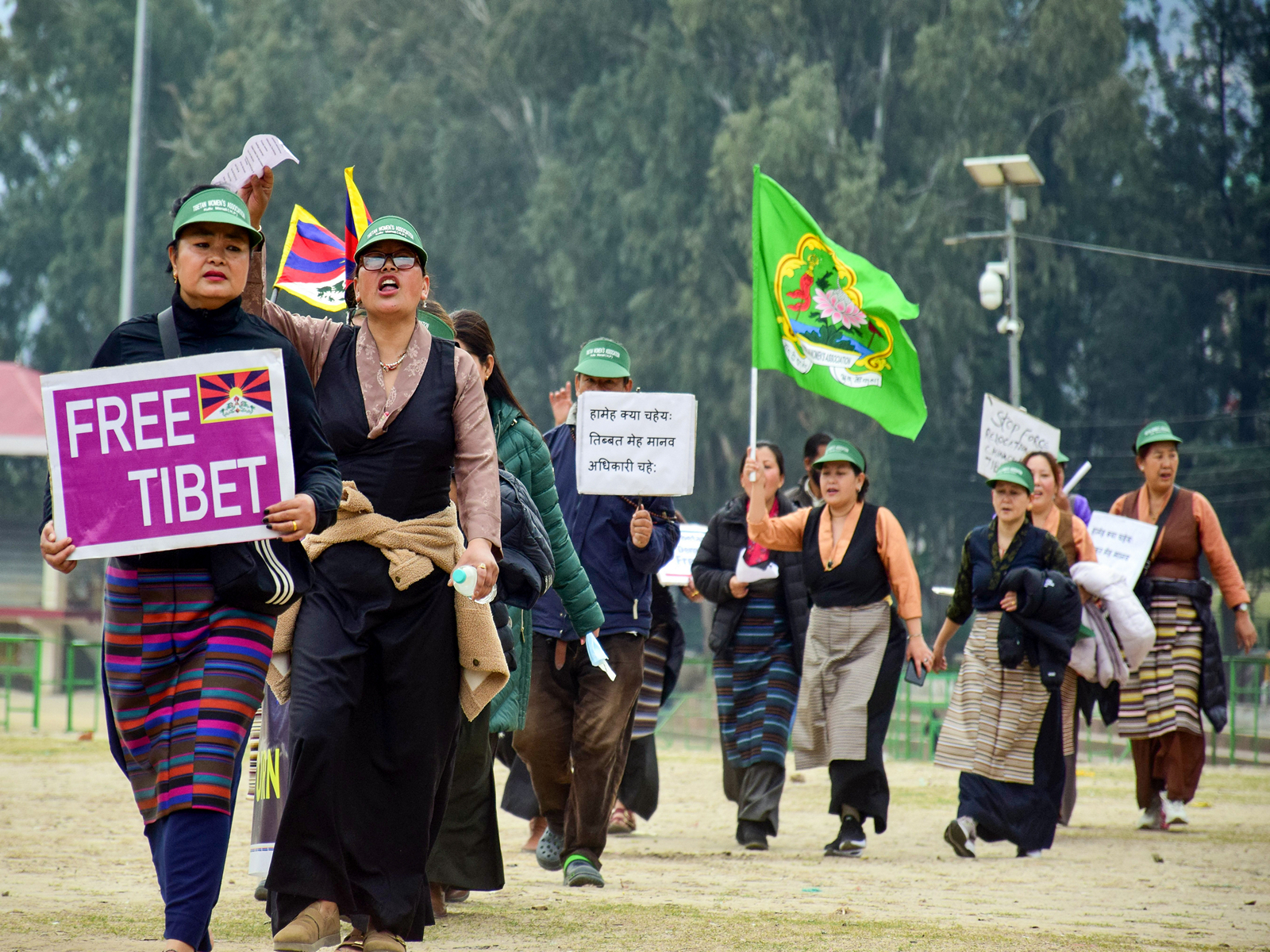
Dharamshala (Himachal Pradesh) [India] December 27 : Chinese authorities have escalated political pressure on Tibetan communities in Amdo Golog following the detention of prominent Buddhist figure Chogtrul Dorje Tenzin. The development has intensified fears of expanding surveillance and coercive governance across Tibetan regions, Phayul reported.
According to Phayul, Chogtrul Dorje Tenzin, the abbot of Minthang Monastery, Osel Thegchog Ling, and head of the Minthang Ethnic Vocational School, was taken into custody on December 4, with the circumstances unclear.
No official charges have been disclosed, nor has any information been provided regarding his current location or the authority responsible for his detention. Following his arrest, Chinese officials convened a compulsory meeting in the Minthang area under the banner of a "2025 Rural Governance Credit Score Exchange Conference."
Residents were instructed that at least one representative from each household must attend, effectively eliminating the option to abstain.
During the gathering, officials reportedly warned locals against actions considered harmful to "social stability," including sharing sensitive information and engaging in what authorities described as rumour-mongering.
Attendees were told that failure to comply with state directives would result in deductions from their rural governance credit scores, potentially leading to financial penalties or other administrative consequences.
The rural credit system, introduced in Minthang in 2018, links citizens' access to benefits with political obedience. Under the scheme, residents accumulate points for complying with government programs, attending official events, and participating in state-approved activities.
These points can later be exchanged for cash or goods through a so-called "points bank." However, the value of points changes annually, making local livelihoods increasingly dependent on shifting state policies, as highlighted by Phayul.
Critics argue that the system functions as a tool of coercion rather than development, effectively compelling loyalty while punishing dissent.
The intensified enforcement following Chogtrul Dorje Tenzin's detention has further heightened fear among local Tibetans, who see the move as part of a broader campaign to suppress religious leadership and community autonomy, as reported by Phayul.