Congress MP Vamsi Krishna slams 'Shanti Bill', warns of nuclear safety risks and private player accountability
Dec 17, 2025
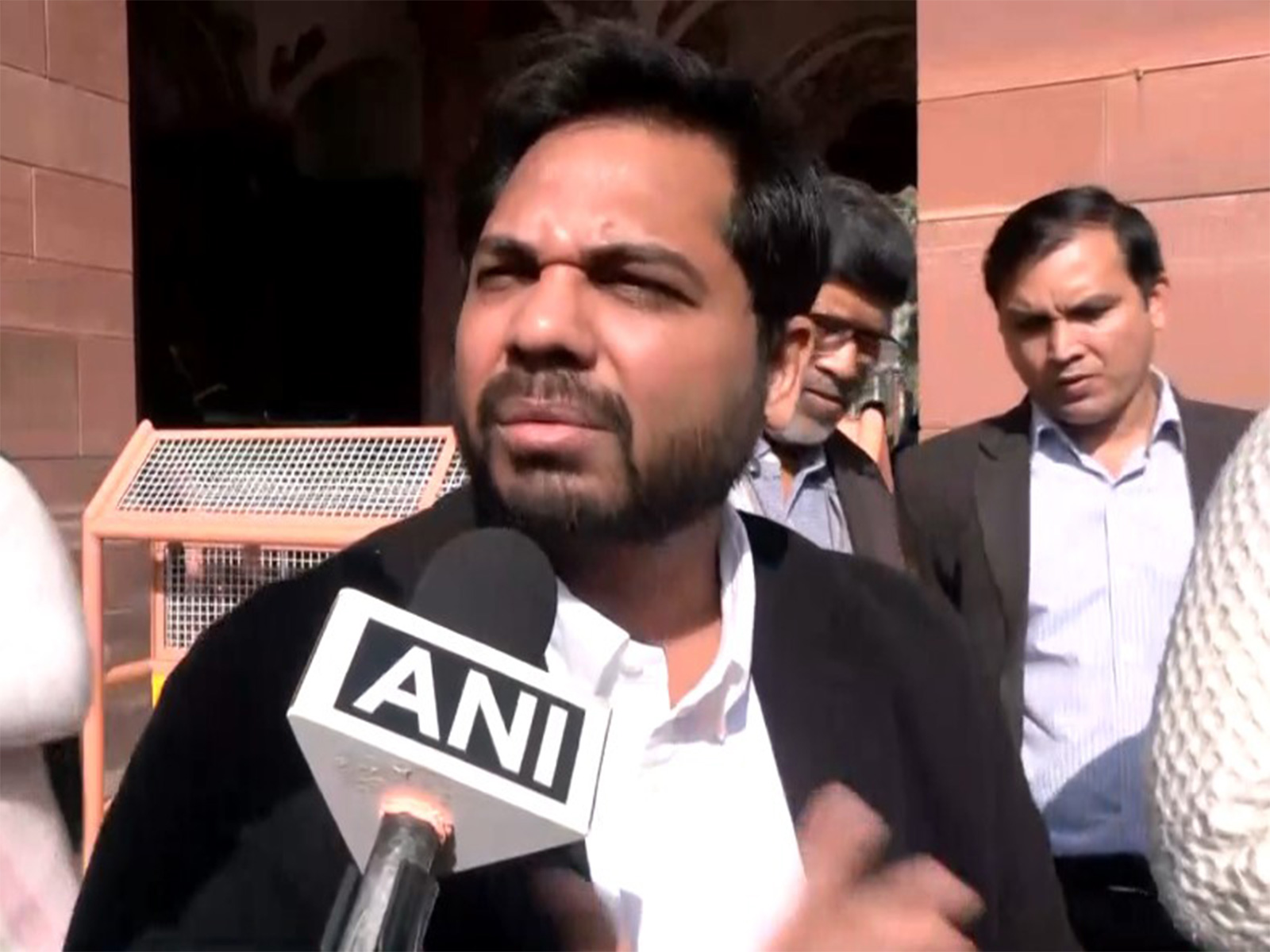
New Delhi [India], December 17 : Congress MP Gaddam Vamsi Krishna on Wednesday launched a scathing critique of the Sustainable Harnessing and Advancement of Nuclear Energy for Transforming India (Shanti) Bill, 2025, accusing the Centre of shirking accountability and endangering national security by handing over critical responsibilities to private players.
Vamsi's intervention came during a heated debate in parliament on Wednesday on a Bill seeking to open the civil nuclear sector to private participation, a move he described as "dangerous" and "against the interest of our country."
Vamsi began by questioning the Bill's title, noting that the name "Shanti" (peace) was ironic given the "very dangerous" implications it poses for national security.
"This government is showing no accountability, no responsibility, no answers to any issue happening around the country, and they are ultimately facing no consequences," he said, pointing to a pattern of evasion on critical issues like recent terror attacks in Delhi, unemployment, and the Indigo airline crisis.
He highlighted the government's silence on unfulfilled promises to create two crore jobs annually over the last 11 years and its failure to respond to economic challenges such as the rupee's devaluation.
The Congress MP zeroed in on the Bill's most contentious aspect. "Who will be liable when an accident or incident happens in the nuclear space?" Vamsi asked, challenging the Government's confidence that no such incidents would occur.
He cited global examples, noting that countries such as France, Russia, China, and South Korea maintain state-owned nuclear sectors, and questioned why India was opting for privatisation.
"The government is passing this Bill to put national security, national defence in the hands of private players," he warned, raising concerns about the mandate given by the people for such "draconian decisions."
Vamsi drew attention to the timing of the Bill's introduction, following Adani Group's expressed interest in entering the nuclear space.
"Is it a pure coincidence, or are we repeatedly making the same mistakes that were made in the last ten years?" he asked, urging the government to learn from history and prioritise the safety of future generations. He emphasised that radiation, unlike other tragedies, "does not behave like a gas or water tragedy; it does not leak or disappear. It settles into the ground (zameen mein bas jati hai)," underscoring the long-term dangers of nuclear incidents.
Recalling past instances of ministers resigning after national tragedies, Vamsi lamented the current government's tendency to "simply divert the topic and move on."
He argued that privatising nuclear power has "failed repeatedly globally" and called for rethinking the bill to ensure liability remains with private players and suppliers.
"This Shanti Bill is all about risk, and it's not about if it will happen, but when it will happen," he warned, concluding with a plea to safeguard the country's citizens and future generations.