Congress opposing their own provisions: Jitendra Singh replies to Opposition on Nuclear energy bill
Dec 17, 2025
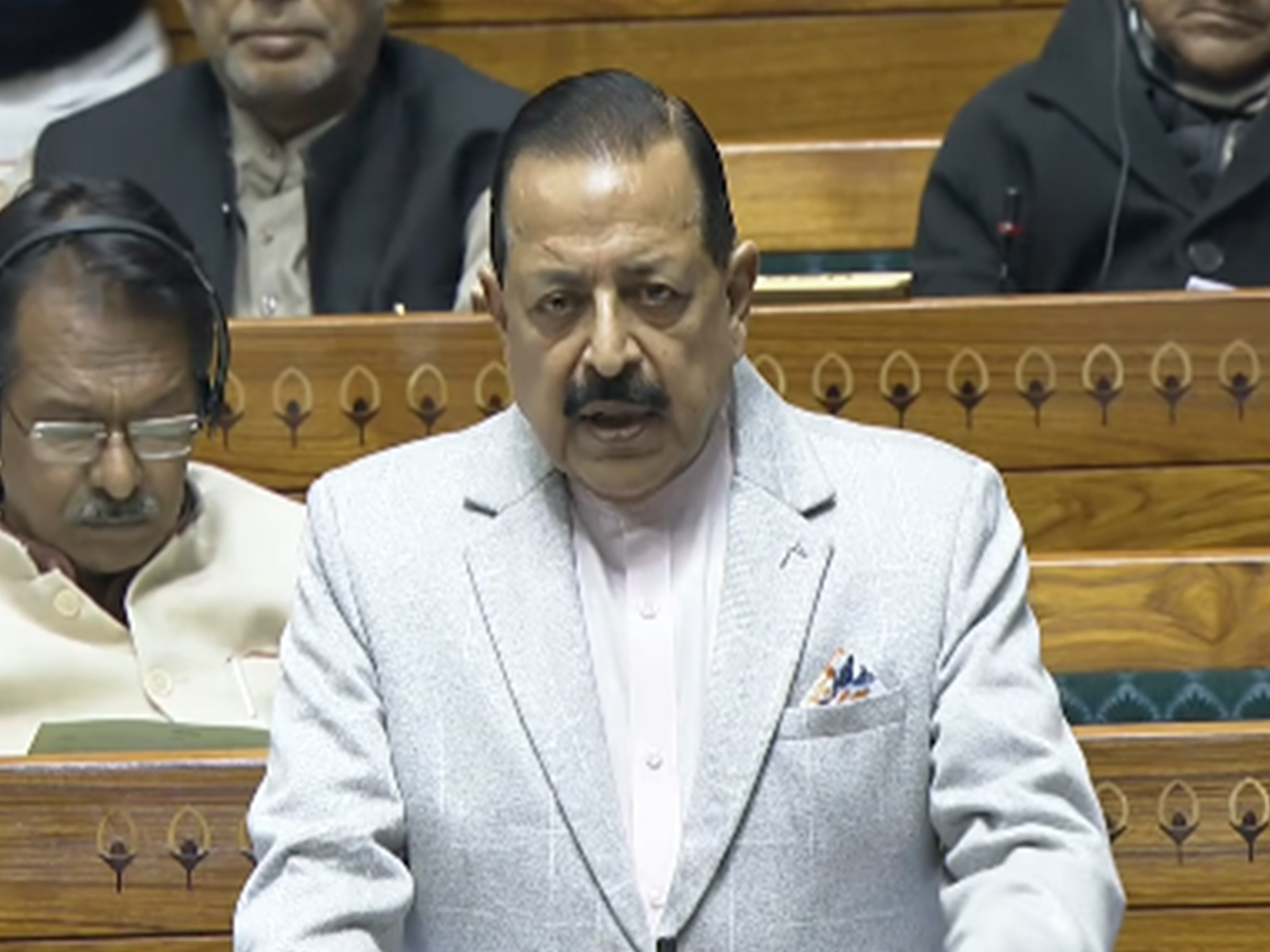
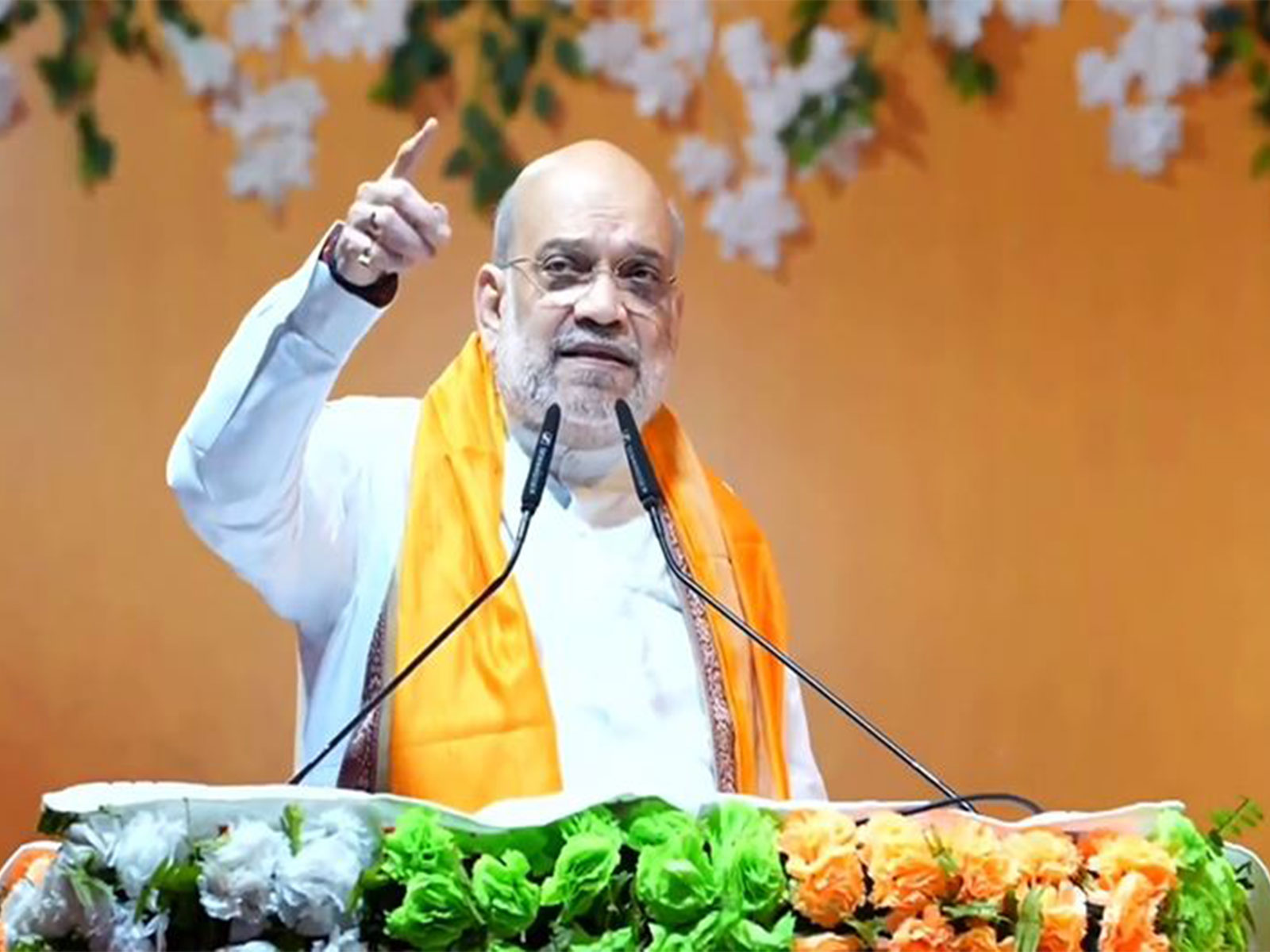
New Delhi [India], December 17 : Minister of State (Independent Charge) for Science and Technology and Atomic Energy Jitendra Singh on Wednesday addressed questions raised by Opposition MPs regarding the recently tabled 'The Sustainable Harnessing and Advancement of Nuclear Energy for Transforming India Bill, 2025'.
Taking part in the debate in Lok Sabha on Wednesday, Singh said that certain Opposition MPs were pushing "contradictory" facts and statements.
He said that a lot of provisions mentioned in the new bill were already there in the previous legislation.
"There were certain objections made by some people which were contrary to the facts in the bill itself, and some observations were self-contradictory," Singh said while addressing the Lok Sabha.
Giving justification for bringing in a new bill instead of amending the existing laws like the Atomic Energy Act, 1962 and the Civil Liability for Nuclear Damage Act, 2010, the Union Minister said that the government thought it appropriate to bring in a new legislation to give space for addressing issues in modern times, which keeping the previous provisions which are needed.
"There were two laws regarding nuclear energy, the Atomic Energy Act, 1962 and the Civil Liability for Nuclear Damage Act, 2010. In the middle, the Atomic Energy Regulatory Board was made through an executive order, which is now being given the status of a statutory body. Instead of amending the existing acts, it was thought that a comprehensive new bill should be brought in, in which there will be space for the previous laws and that the timely issues are also addressed," the Union Minister said.
"In this bill, there are multiple things which already exist, and in their haste sometimes to oppose the treasury benches, we (Opposition) sometimes forget that the opposition is being done on the things which were brought by us only," he added.
According to the Union Minister, for India to be a global player, it needs to adopt "global strategies" and achieve the goal of 100 gigawatts of nuclear energy. He cited the space sector, which Prime Minister Narendra Modi opened, noting "miraculous results."
"If we have a plan of 100 Gigawatt by 2047, so that we move as close as possible to the use of clean energy sources, in which our self-reliance will increase, our reliance on fossil fuels will decrease. I said in the morning that if we have to envision a global role for ourselves, we have to follow global strategies. The age of silos is over. If we think that we can make different laws and make them work, then that is a misunderstanding, which may have kept happening. Under the leadership of Prime Minister Modi, the space sector was opened up, and the results are miraculous," Jitendra Singh said in Parliament.
In response to concerns about environmental damage and adequate compensation, the minister noted that the bill already includes ecological damage and economic losses in its definition of damage, and that it also expands the regulatory scope to support nuclear medicine and related areas.
"Someone had asked, what about the environment? For the first time, the bill actually mentions the environmental damage and economic losses as part of the overall damage definition. Regulatory scope has also been defined, covering agriculture, medicine, industry, and ionising radiation, because we have come a long way as far as nuclear medicine is concerned...We are among the first to have come out with a nuclear medicine for acute lymphoblastic leukaemia for children, which is a kind of blood cancer," he said.
"Since we are signatories to the CSC, which is the Convention of Supplementary Compensation, further compensation will be available through that source," he added.
Speaking on doubts about insurance coverage for commercial nuclear reactors, Singh noted that the Congress party, under Jawaharlal Nehru's leadership, did not have India's first reactor, Apsara, covered by insurance.
"It was told multiple times, why government reactors are not under insurance cover. But in 1956, the first reactor in India, the Apsara reactor, was built at the Bhabha Atomic Research Centre (BARC). We all know who the Prime Minister was at the time (Jawaharlal Nehru), and a decision was made not to place it under insurance coverage. At that time, it might have been thought that this was a research reactor, not for commercial purposes," Jitendra Singh said.
Addressing the issue of allowing private players to enter the nuclear sector, Singh highlighted that the current government has increased the budget of the Atomic Energy Department by more than 100 per cent since 2014.
"Now, it was asked why the government need private players? Why can't it do it alone? The Department of Atomic Energy's budget in 2014 was 13,879 crore. Today, the budget is 37,483 crore, an almost 117 per cent increase over the last 10 years. So when it is criticised that the government is not doing enough, then perhaps we are not able to show our numbers," he said.
Earlier today, Singh introduced the SHANTI Bill in Parliament, marking a significant step towards updating India's legal framework governing nuclear energy.
The proposed legislation seeks to repeal the Atomic Energy Act, 1962 and the Civil Liability for Nuclear Damage Act, 2010, and replace them with a single, comprehensive law aligned with India's present and future energy requirements.