Congress' Salman Khurshid links rupee fall to US sanctions, calls for resolution
Dec 03, 2025
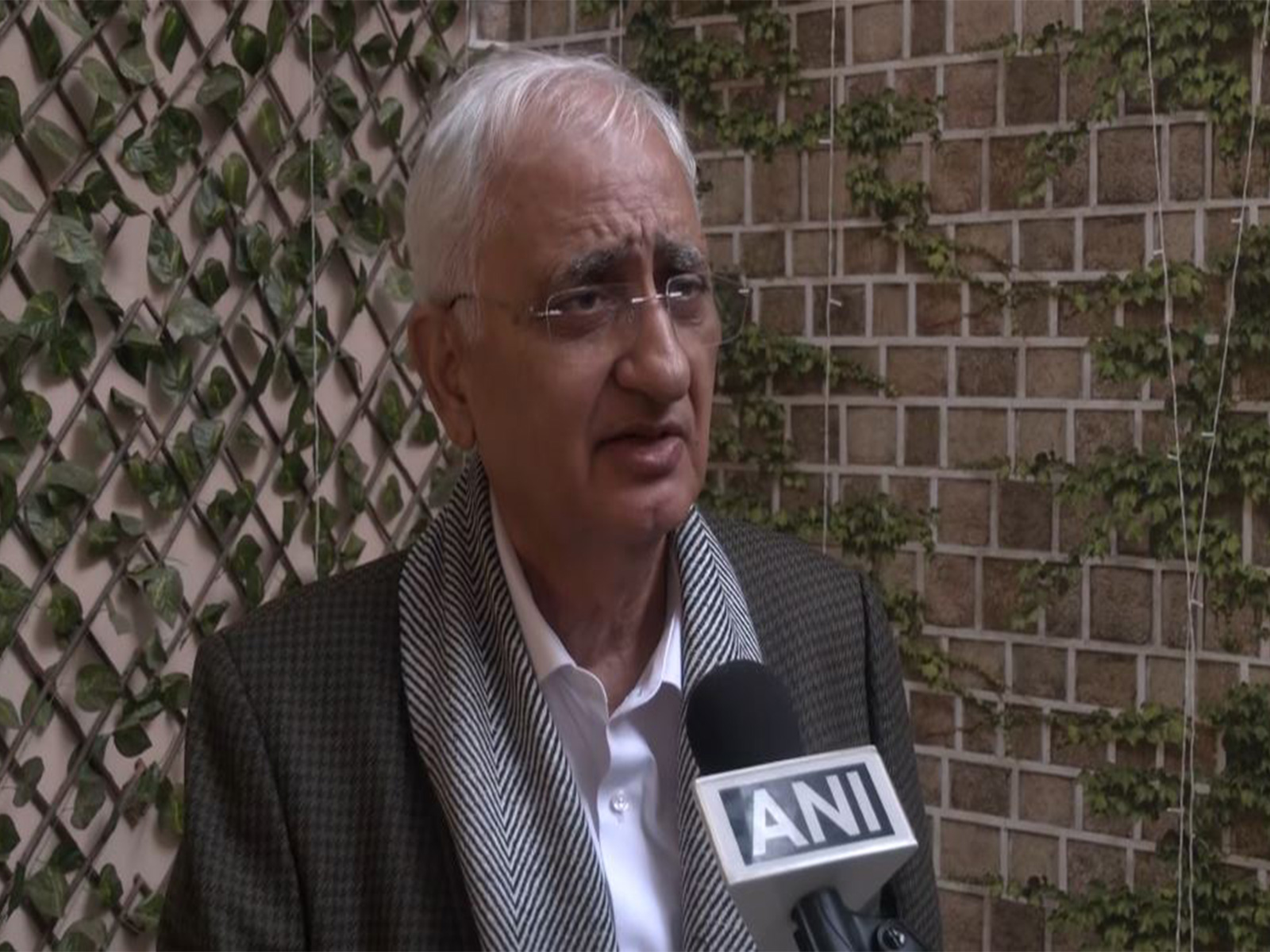
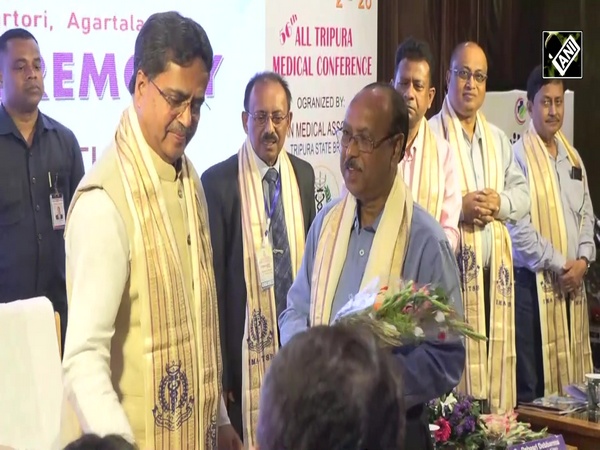
New Delhi [India], December 3 : Congress leader Salman Khurshid on Wednesday said the recent fall of the Indian rupee, which breached the 90 mark against the US dollar, reflects the impact of US sanctions and tariffs.
He added that addressing these issues could help the currency recover.
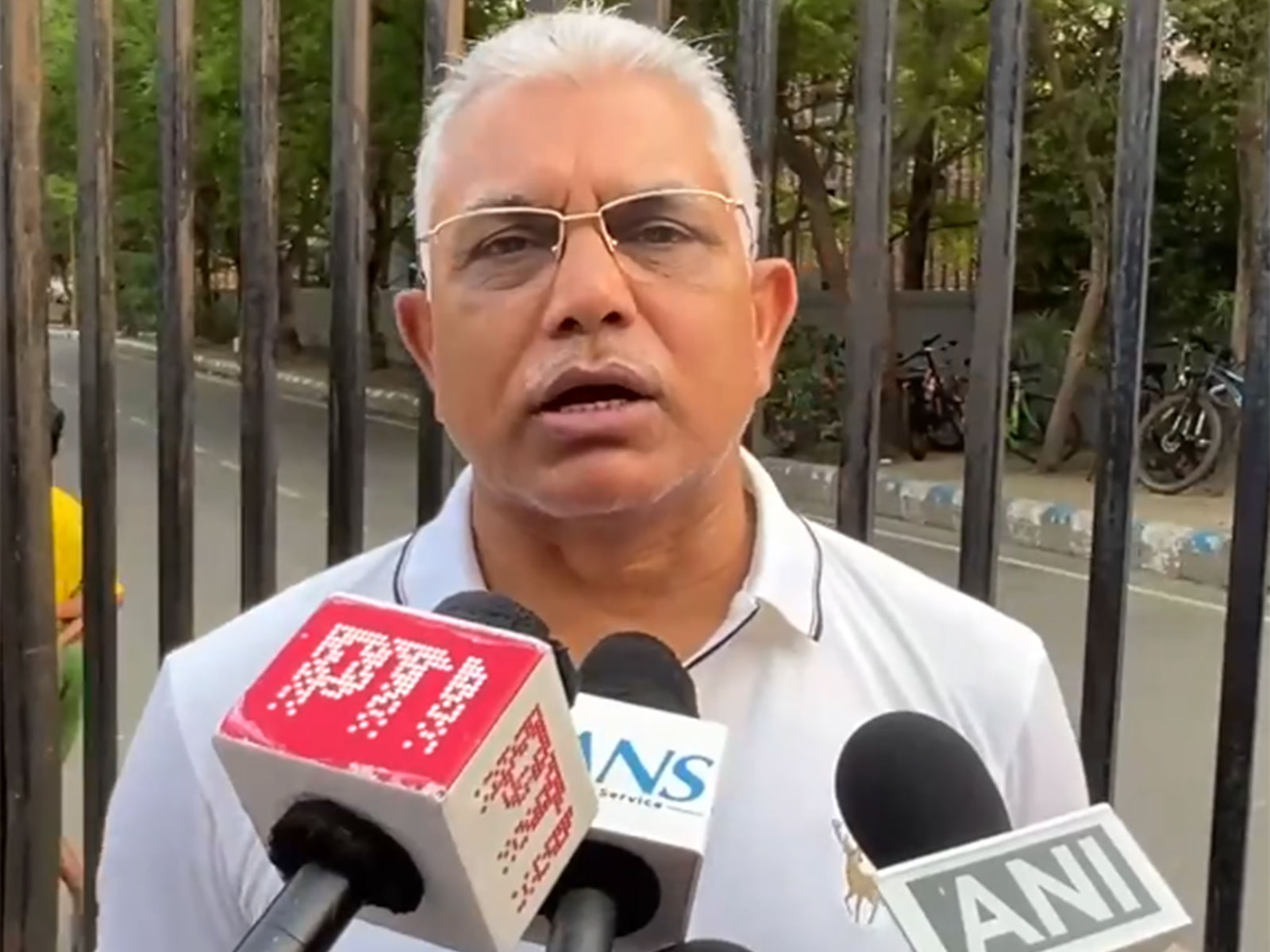
Speaking to ANI, Salman Khurshid said, "We should consider our strengths. If the rupee is falling in value vis-a-vis the US dollar, why is this happening? Everyone knew that the consequences of the US's attitude towards us of imposing sanctions and tariffs would be felt somewhere. Its consequences are being seen in the rupee's value. This is a long-standing issue, and if it is resolved, the rupee will recover."
Indian rupee breached the 90 mark against USD this morning, extending its depreciation run through sessions now, and in the process hitting a fresh all-time low for the Indian currency.
At the time of filing this report, the Rupee was trading at 90.205 per US dollar. So far this year, the currency has depreciated by over 5 per cent on a cumulative basis.
Further, Khurshid dismissed Defence Minister Rajnath Singh's claim that former Prime Minister Jawaharlal Nehru wanted to use government funds for the Babri Masjid, saying the Archaeological Survey of India maintained old buildings and added that the focus should be on the future rather than revisiting past issues.
"... The ASI maintained old buildings... What is its connection with Jawaharlal Nehru?... I don't think the ASI spent any money on the Babri Masjid at that time. The Babri Masjid was in a dilapidated condition. How did they see Jawaharlal Nehru in this again? They see Jawaharlal Nehru in everything... How long will we keep looking back? Why don't we look forward?," Khurshid said.
A day earlier, Defence Minister Rajnath Singh claimed that former Prime Minister Jawaharlal Nehru wanted to use government funds to build Babri Masjid, but it was the then Home Minister, Sardar Vallabhbhai Patel, who opposed the idea, as he was "truly secular".
Remembering India's first Home Minister at the 'Sardar Sabha' organised in Gujarat's Vadodara, the Defence Minister said that Patel did not look to appease communities, unlike Nehru, who questioned the reconstruction of the Somnath Temple in Gir Somnath district.
"Sardar Vallabhbhai Patel was truly secular. He never believed in appeasement. When Jawaharlal Nehru spoke about spending government funds on the Babri Masjid issue, if anyone opposed it, it was one born in Gujarat, Sardar Vallabhbhai Patel, who opposed it. At that time, he did not allow the Babri Masjid to be built with government money," Singh said.