Critical minerals are critical to India's self-reliant future: G Kishan Reddy
Feb 19, 2026
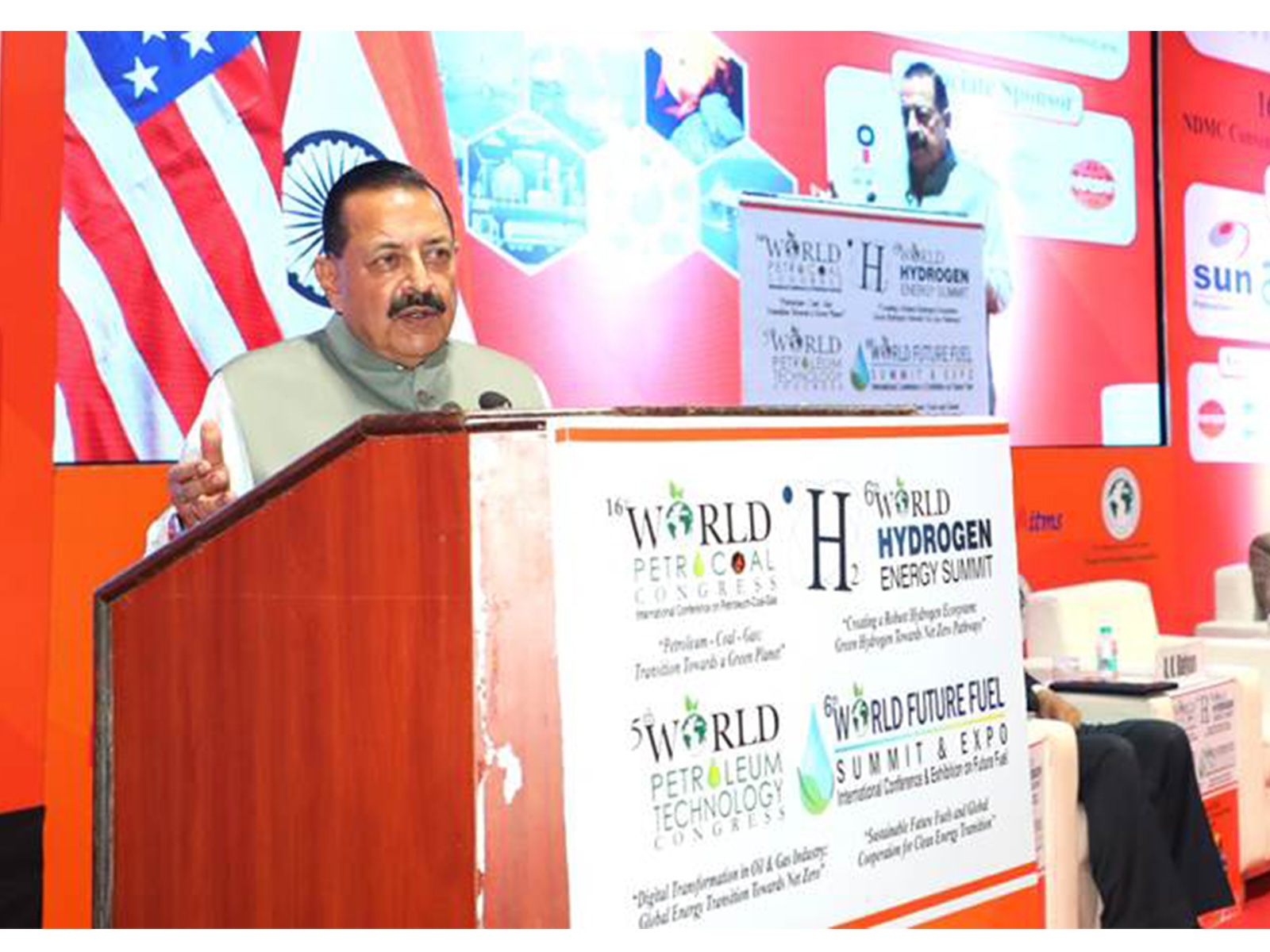
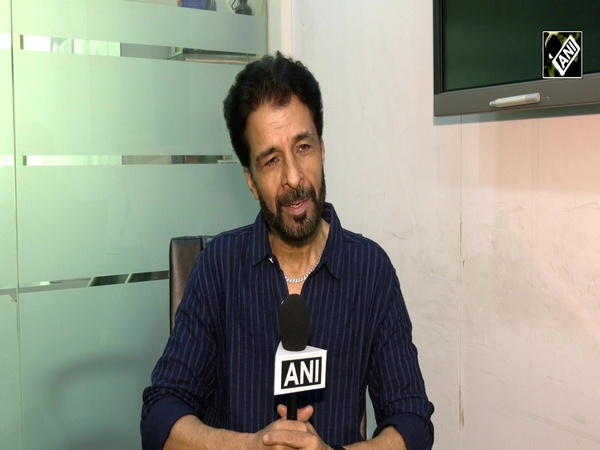
New Delhi [India], February 19 : Union Minister of Mines and Coal G Kishan Reddy on Thursday underlined the strategic importance of critical minerals for India's economic and geopolitical future, calling for collective action to secure supply chains.
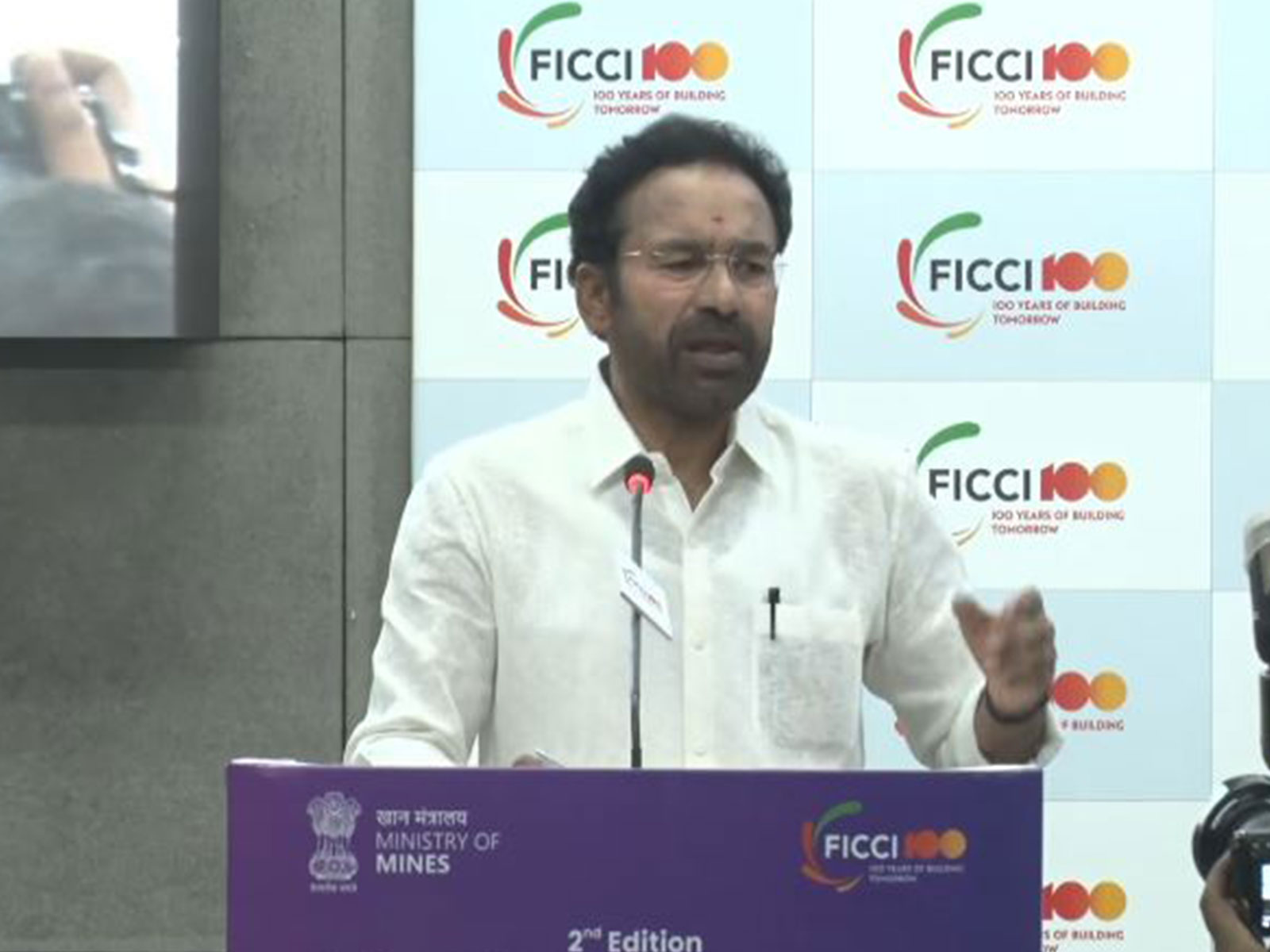
Speaking at the Indian Critical Minerals Landscape: Foundation for a Sustainable & Self-Reliant Future conference, Reddy said, "Today's summit is very important for the future of India, for the acquisition of critical minerals in India. It is very important because today we are all discussing for the strong foundation of India's future. In today's global economy, including critical minerals, energy transition, green development and technological development, is very important for all the countries."
Highlighting their wide-ranging applications, he said, "Be it solar panels, electrical vehicles, defense sector, health sector, agriculture sector, aerospace sector, electronics sector, medical imaging sector, nuclear energy sector, solar sector, the foundation of all these is critical minerals like lithium, cobalt, nickel, rare earth elements. The availability of critical minerals like copper is a big challenge for us today. Not only India, but the entire world is dependent on these critical minerals today."
Reddy noted that even today, India is 95% dependent on imports of critical minerals. "For the development of India, we will have to accept this challenge. The value chain of the world's critical minerals is highly concentrated in some countries."
"Some countries have taken over them. Some countries have monopolized them. We will have to work together on such critical minerals, on such critical topics, at such critical times," he added.
Calling critical minerals a geopolitical priority, he said, "Today, critical minerals have become a major geopolitical agenda in the world. We also feel that after Operation Sindoor, the Prime Minister, the Indian government, and the entire Indian industry sector are paying attention to this critical mineral issue. This is a big challenge for us."
However, he described the situation as an opportunity. "I would like to tell you that this is a big opportunity for us based on the Prime Minister's vision. Today, we have a big opportunity to go into this, to get it, and to fully prepare India. This is a time when India can rise as an attractive destination in the global critical mineral landscape."
"For this, we have to work together to create an attractive destination. We are ready with the right policies and incentives. We are ready."
Union Budget 2026-27 announced dedicated rare earth corridors in Odisha, Kerala, Andhra Pradesh, and Tamil Nadu for mining, processing, research, and manufacturing of Rare Earth Permanent Magnets (REPMs).
Rs 7,280 crore REPM Manufacturing Scheme was approved in November 2025; 6,000 MTPA integrated REPM capacity to be created; Rs 6,450 crore sales-linked incentives over five years; Rs 750 crore capital subsidy for advanced facilities.
Geological Survey of India (GSI) has identified 482.6 million tonnes of rare-earth ore resources.