"Delayed but welcome step": Tamil Nadu CM Stalin backs UGC regulations, urges Centre not to dilute reforms
Jan 29, 2026
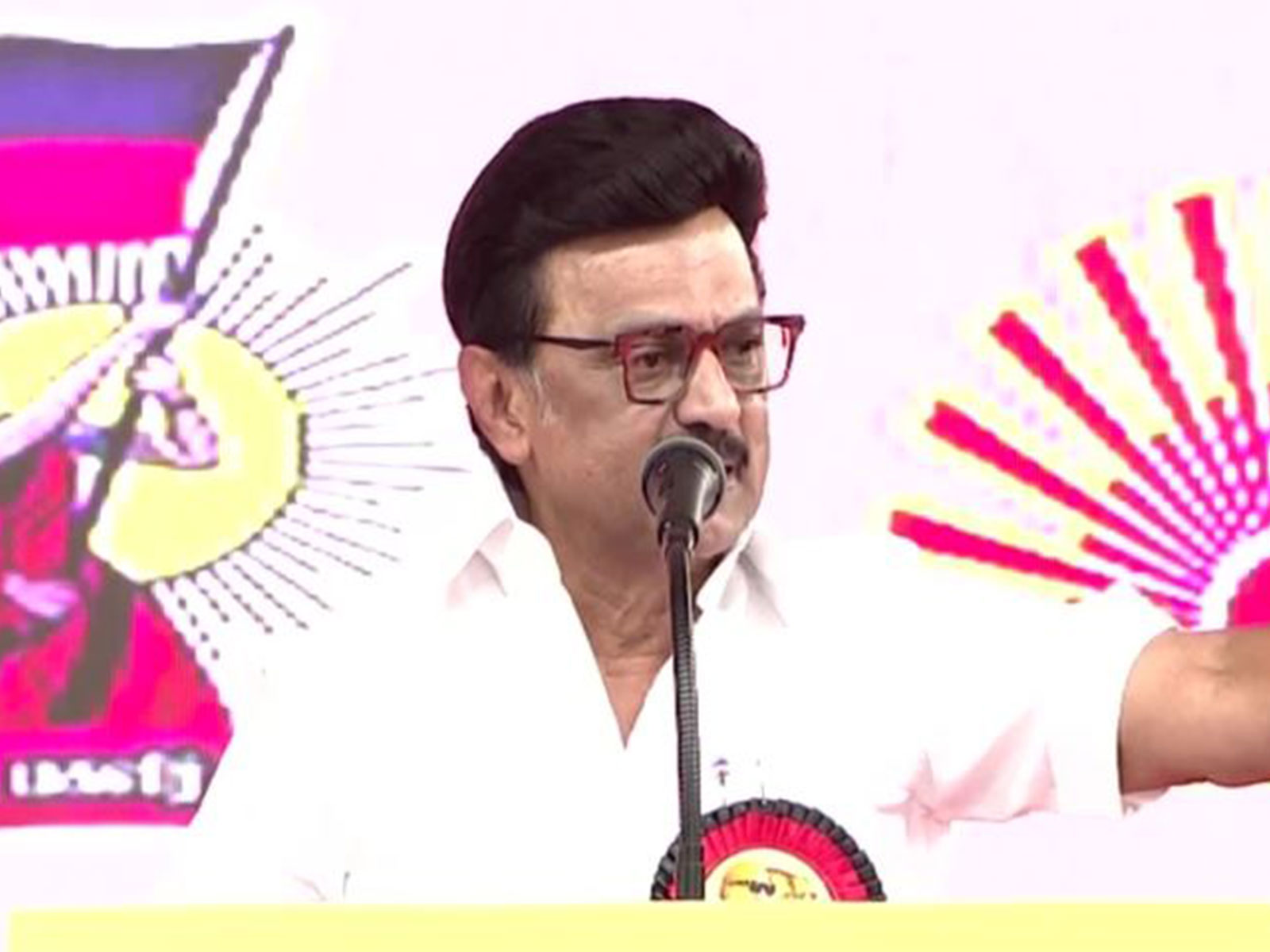
Chennai (Tamil Nadu) [India], January 29 : Tamil Nadu Chief Minister on Thursday described the UGC (Promotion of Equity in Higher Education Institutions) Regulations, 2026 as a "delayed but welcome" reform, calling it a crucial step towards addressing deep-rooted discrimination and institutional apathy within India's higher education system.
In a post on X, CM Stalin said that since the BJP came to power at the Centre, there has been a noticeable rise in student suicides in higher education institutions, particularly among Scheduled Caste and Scheduled Tribe students.
He also alleged that students from South India, Kashmir, and minority communities have increasingly faced harassment and targeted attacks, making equity safeguards an "unavoidable necessity" rather than a policy choice.
"The #UGC (Promotion of Equity in Higher Education Institutions) Regulations, 2026 is a delayed but welcome step in reforming a higher education system scarred by deep rooted discrimination and institutional apathy. Since the BJP came to power at the Union level, there has been a visible rise in student suicides within Indian HEIs particularly among SC and ST students. This has been accompanied by repeated attacks and harassment targeting students from South India, Kashmir, and minority communities. In this context, equity safeguards are not a matter of choice but an unavoidable necessity," Stalin posted on X.
Welcoming the regulations' stated objective of dismantling caste discrimination and extending inclusion to Other Backward Classes (OBCs), the Tamil Nadu Chief Minister said the backlash against the UGC framework mirrors the resistance seen during the implementation of reservations following the Mandal Commission recommendations.
He termed the opposition to the regulations as driven by a "regressive mindset" and urged the Union Government not to succumb to pressure to roll back or dilute their core provisions.
"The stated goals of dismantling caste discrimination and the inclusion of #OBCs within this framework, deserve support. As seen during the implementation of reservations based on the #MandalCommission recommendations, the present #UGC_Rollback backlash is driven by the same regressive mindset. The Union Government must not allow such pressure to dilute these regulations or their core objectives," he said.
"Cases like the suicide of #RohithVemula, where VCs themselves faced allegations, make it difficult to see how Equity Committees chaired by institutional heads can function independently, especially when many higher education institutions are led by RSS supporters," Stalin added.
CM Stalin asserted that if the Union Government is genuinely committed to preventing student deaths, ending discrimination, and reducing dropout rates among students from backward communities, the regulations must not only be protected but strengthened.
"If the Union BJP Government is serious about preventing student deaths, ending discrimination, and reducing dropout rates among students from backward communities, these regulations must not only be strengthened but also revised to address their structural gaps, and enforced with real accountability," he said.
The new regulations, introduced to curb caste-based discrimination in colleges and universities, require institutions to establish special committees and helplines to address complaints, especially from students belonging to the Scheduled Caste (SC), Scheduled Tribes (ST), and Other Backward Classes (OBCs) categories.
The new rules notified by the UGC on January 13, which update its 2012 regulations on the same subject, have sparked widespread criticism from general category students, who argue that the framework could lead to discrimination against them.
Meanwhile, Union Education Minister Dharmendra Pradhan on Tuesday sought to allay concerns over the new UGC regulations, assuring that the law would not be misused and that there would be no discrimination in its implementation.