Delhi Assembly Speaker Vijender Gupta reviews dust pollution hotspots in Rohini, orders time-bound civic action
Dec 20, 2025
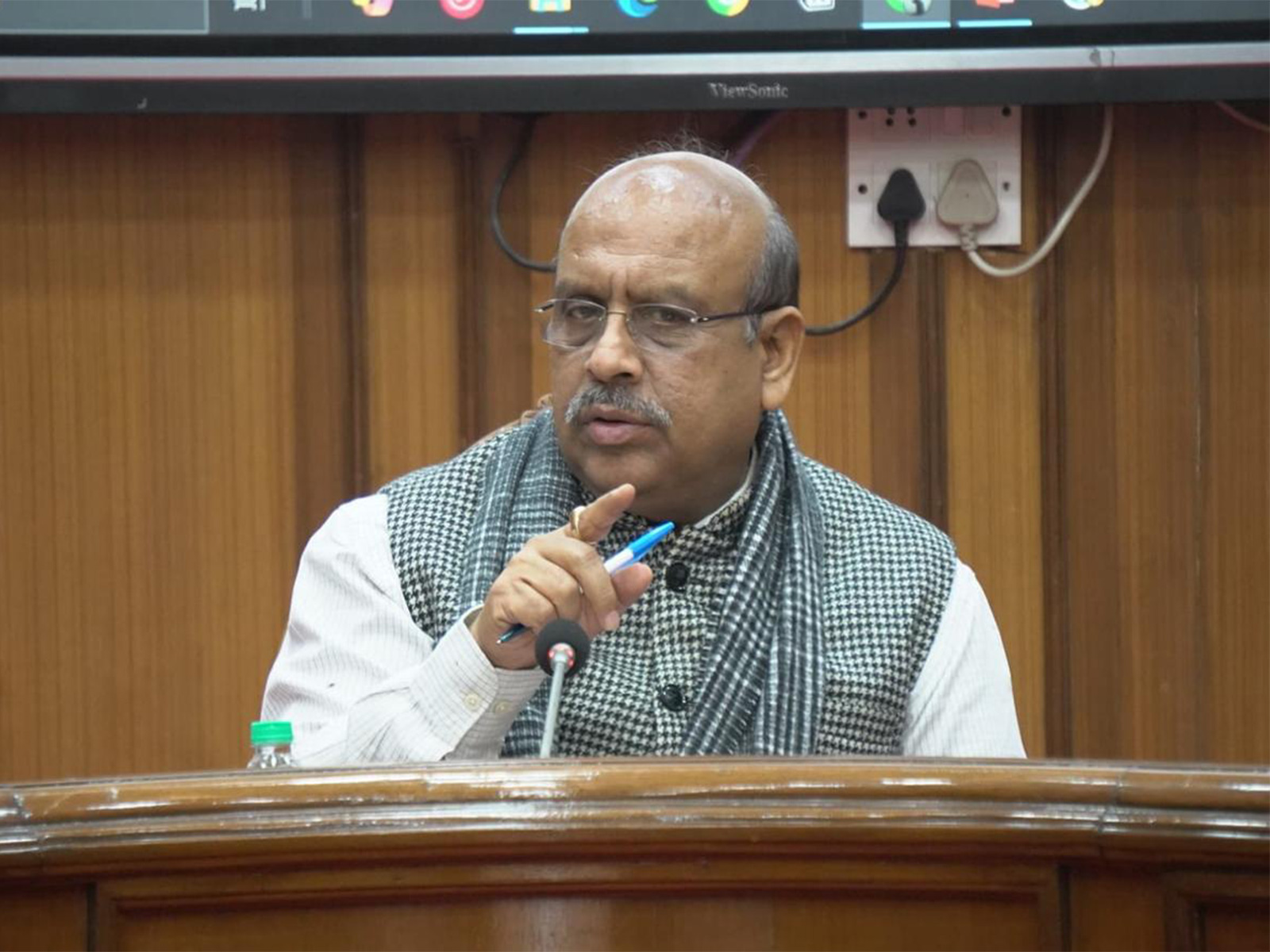
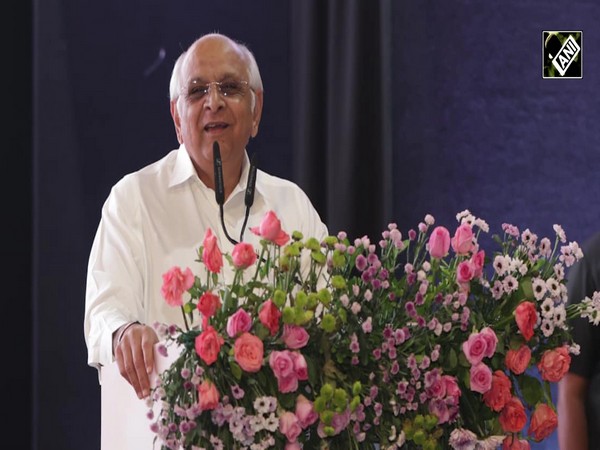
New Delhi [India], December 20 : Delhi Legislative Assembly Speaker and Rohini MLA Vijender Gupta conducted an on-site inspection of air pollution hotspots in Rohini on Saturday and directed civic agencies to undertake immediate, coordinated action to control dust-related pollution, terming it a "preventable governance challenge" rather than an unavoidable reality.
During the inspection at Madhuban Chowk in Rohini Sector-8, Gupta reviewed areas identified as major dust-pollution hotspots where roads remain dug up, untarred or covered with loose soil. Vehicular movement on these exposed stretches has repeatedly resuspended dust, while stalled infrastructure and drainage works have left road surfaces untreated for months, resulting in prolonged exposure for local residents and raising public health concerns.
Citing scientific assessments, the Speaker noted that road dust is among the largest contributors to particulate pollution in Delhi, accounting for a major share of PM10 and a significant portion of PM2.5, especially during winter when atmospheric conditions worsen air quality. He said the problem is exacerbated by incomplete restoration after utility works, gaps in mechanised sweeping, lack of dust-suppression measures and poor coordination among civic agencies.
Gupta directed immediate remedial measures across identified hotspots, including daily mechanised sweeping, regular water sprinkling or use of approved dust suppressants, and temporary paving or compaction of exposed road stretches where full-scale work cannot resume. He asked agencies to prioritise school zones and market areas during peak hours and ordered weekly joint inspections by the Delhi Pollution Control Committee (DPCC), Delhi Development Authority (DDA), Municipal Corporation of Delhi (MCD) and Traffic Police, supported by geo-tagged reporting and fixed compliance timelines.
To address coordination gaps, the Speaker announced the formation of a "Rohini Dust Action Cell" under the MLA's office to ensure unified monitoring and accountability among concerned agencies. He said fragmented responsibility has allowed exposed road surfaces to remain neglected for long periods.
For long-term mitigation, Gupta stressed the need for wall-to-wall paving of remaining untarred roads, construction of permanent shoulders and footpaths, conversion of vacant open plots into green buffers or paved community spaces, and deployment of local air quality monitoring points near schools and high-traffic junctions.