Delhi HC pulls up ED over NBWs during probe, sets aside warrants against UK-based businessman
Dec 24, 2025
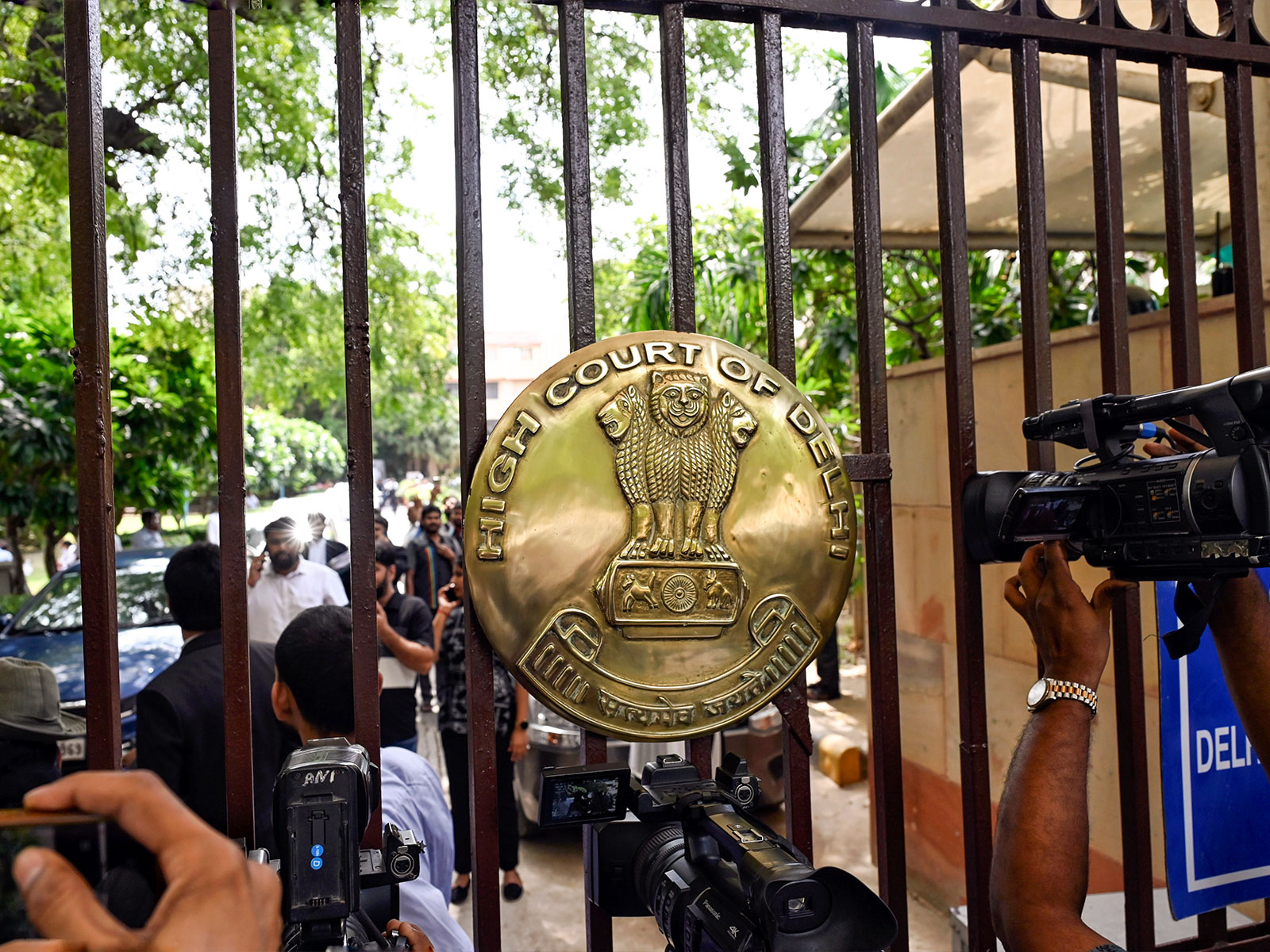
New Delhi [India], December 24 : The Delhi High Court has held that the Enforcement Directorate (ED) cannot seek non-bailable warrants (NBWs) during investigation unless the strict conditions laid down in law are fully met, setting aside the warrants issued against UK-based businessman Sachin Dev Duggal.
In its judgment dated December 19, delivered in Sachin Dev Duggal v. Directorate of Enforcement, the High Court ruled that the requirements under Section 73 of the Code of Criminal Procedure for issuance of NBWs are mandatory and cannot be diluted.
The Court observed that these conditions are "sacrosanct and sine qua non" and must be satisfied before a magistrate can issue such warrants. The case arose from a summons issued by the ED to Duggal under Section 50 of the Prevention of Money Laundering Act (PMLA).
Duggal, a citizen of the United Kingdom and not residing in India at the relevant time, was summoned during the course of the investigation. Alleging non-compliance with the summons, the ED approached the Special Court in Delhi, which issued NBWs against him. Duggal challenged this order before the High Court.
Examining the record, the High Court noted that Section 73 CrPC permits issuance of NBWs only in three situations: to arrest an escaped convict, a proclaimed offender, or a person who is accused of a non-bailable offence and is evading arrest.
The Court found that none of these conditions applied in Duggal's case. No prosecution complaint had been filed against him, and therefore, he was not an accused. The Court also observed that it was not the ED's case that Duggal was evading arrest.
The High Court further clarified that non-compliance with a summons issued under Section 50 of the PMLA cannot, by itself, justify the issuance of NBWs. At best, such non-compliance could lead to proceedings under Section 174 of the Indian Penal Code, the Court held.
The judgment is seen as an important clarification on the limits of investigative powers under the PMLA. By strictly enforcing the safeguards under Section 73 CrPC, the High Court underlined that non-bailable warrants are an exceptional measure and cannot be used as a routine tool to compel cooperation during investigation.
Submissions on behalf of the Petitioner were made by Senior Advocate Mohit Mathur and Advocate Arshdeep Singh Khurana, assisted by Sulakshan S. Vedartham, Khusboo Jain and Chetan Nagpal, Advocates.
The Respondent was represented by Zoheb Hossain, Special Counsel and Advocate Vivek Gurnani, Panel Counsel, along with Kartik Sabharwal, Pranjal Tripathi, Daanish Abbasi, Mahesh Gupta, Navin Kumar and Ashish Kapoor, Advocates.