Delhi HC sets aside bail rejection based on 'voluminous pleadings', directs fresh hearing
Jan 30, 2026
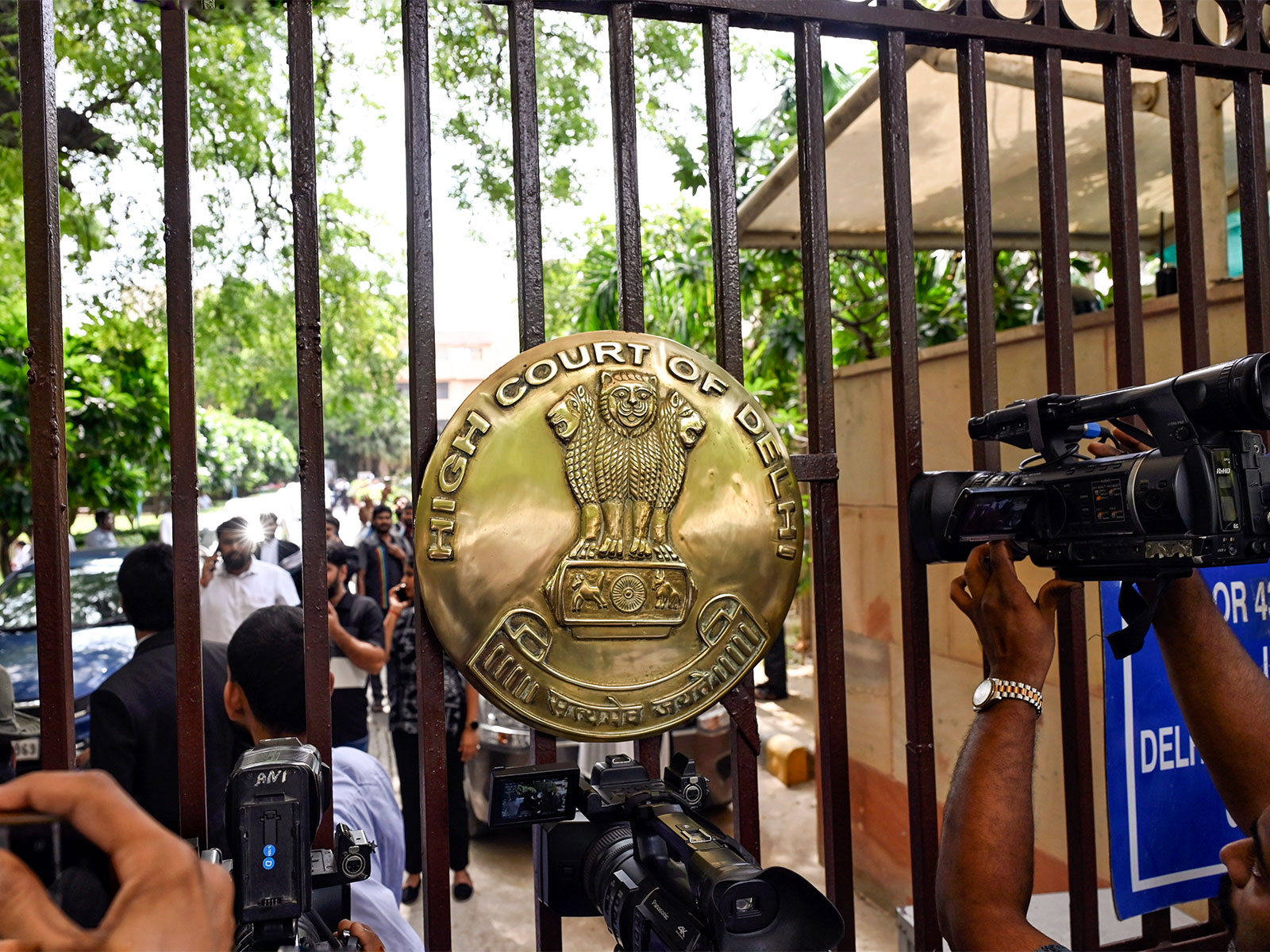
New Delhi [India], January 30 : The Delhi High Court has set aside an order of a trial court that dismissed a bail application solely on the ground that it was "too voluminous and bulky", and directed the trial court to reconsider the bail plea on merits within ten days after granting a proper hearing to both sides.
Justice Swarana Kanta Sharma held that once a court has issued notice, called for a reply from the investigating agency and listed the matter for final arguments, it cannot refuse to adjudicate a bail application merely because of the volume of documents filed along with it.
The High Court observed that such an approach amounts to non-application of judicial mind and is impermissible in law, particularly when the personal liberty of an accused is at stake.
The Court quashed the impugned order passed by the Additional Sessions Judge, which had dismissed the bail application after observing that it ran into nearly 500 pages and would consume "precious judicial time". The High Court noted that the actual bail application was only about 43 pages long and that the remaining pages comprised annexed judicial precedents intended to assist the court.
Emphasising the right to a meaningful hearing, the Court held that dismissal of a bail application without examining its merits, despite the matter being fixed for final arguments, violates principles of natural justice.
It also found fault with the trial court's failure to even consider a constitutional plea raised by the accused regarding alleged non-communication of grounds of arrest under Article 22(1) of the Constitution.
The judgment underlined that judicial time is meant to be spent on adjudication and cannot be cited as a reason to decline consideration of a matter already ripe for hearing.
The Court remarked that docket pressure or workload cannot justify a refusal to decide a bail plea and that liberty cannot be made dependent on the drafting style of counsel or the perceived bulk of annexures.
While acknowledging that excessively lengthy pleadings may require judicial regulation, the High Court clarified that the appropriate course in such cases would be to seek a brief synopsis, restrict oral submissions, or ask counsel to highlight relevant portions, rather than dismissing the application outright.
Accordingly, the High Court remanded the matter to the trial court with a direction to decide the bail application afresh on merits within ten days of receiving the order. It further directed that a copy of the judgment be circulated to all judicial officers in Delhi and forwarded to the Delhi Judicial Academy for guidance.