Delhi HC upholds conviction in 1995 CBI bribery trap case, issues key directions on trial procedure
Jan 29, 2026
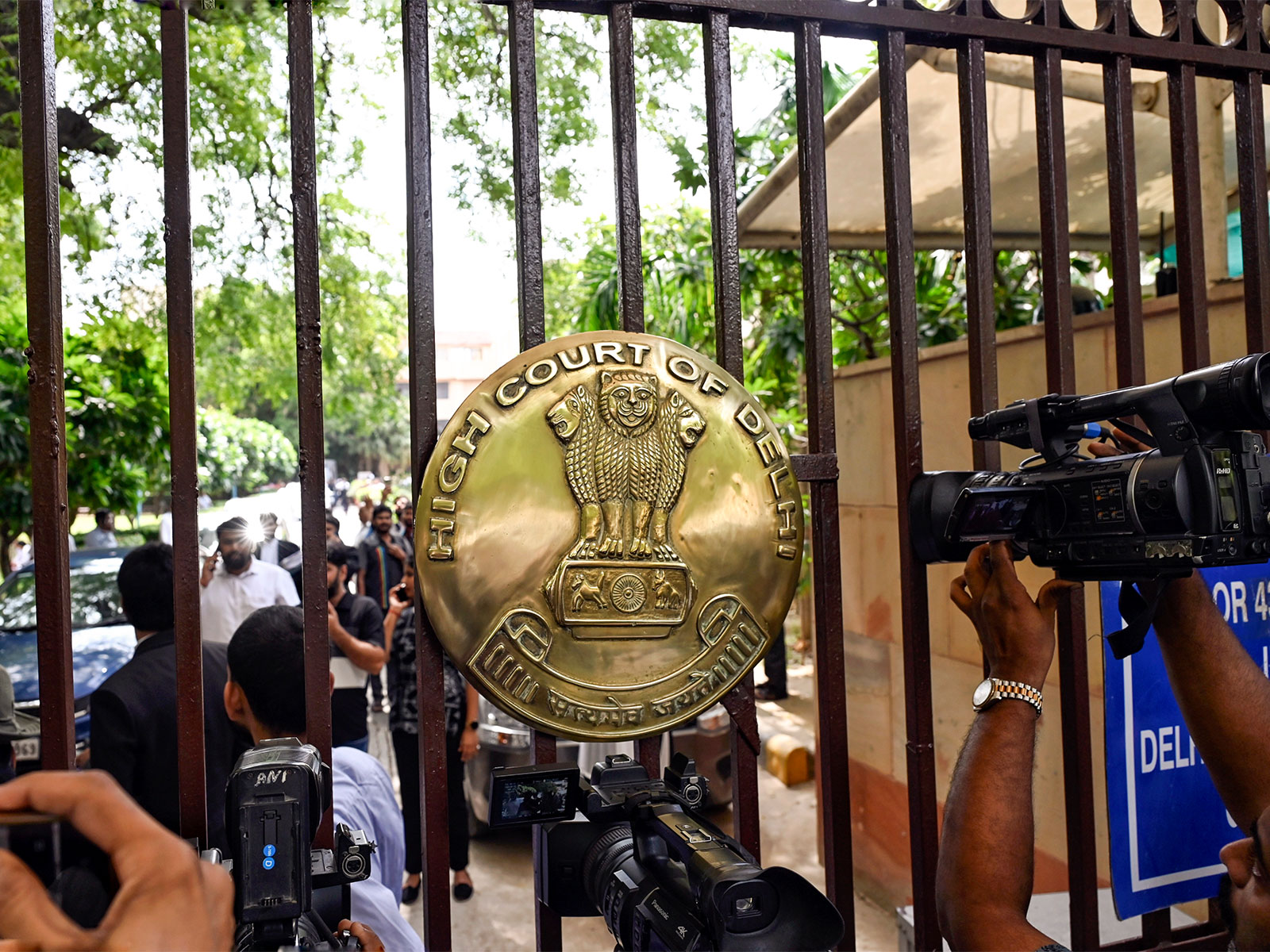
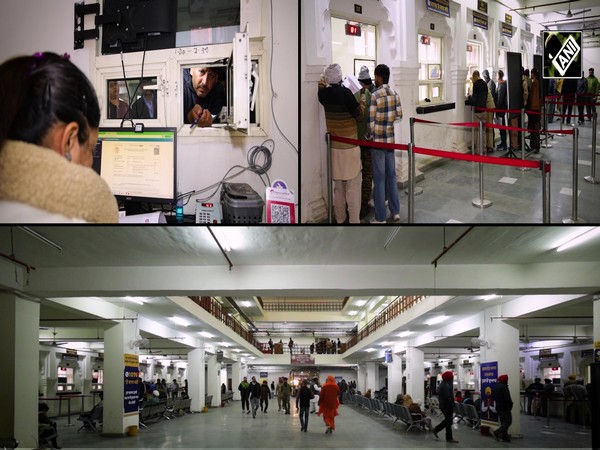
New Delhi [India], January 29 : The Delhi High Court has dismissed a criminal appeal arising from a 1995 CBI trap case, upholding the trial court's conviction and sentence under the Prevention of Corruption Act.
The Court held that the findings of guilt were not infirm and reaffirmed key procedural principles governing corruption trials.
Briefly put, in 1995, a complaint was filed alleging that the appellant, while posted as an Assistant Sub-Inspector at Police Post Shakur Basti, demanded illegal gratification of Rs 10,000 from the complainant to stop harassing him in connection with complaints initiated by the complainant's brother.
The amount was later reduced to Rs 5,000, after which the CBI laid a trap and recovered tainted currency.
Rejecting the challenge to the conviction, the High Court ruled that the prosecution had proved demand and acceptance of illegal gratification through the complainant's testimony, supported by surrounding circumstances and positive phenolphthalein test results. The Court observed that minor inconsistencies in witness statements did not affect the core of the prosecution case, particularly when the accused's presence at the spot remained unexplained.
The Court also addressed the contention that the case should be dismissed for the passage of nearly three decades since the FIR was registered.
It categorically held that "mere delay is no reason to disbelieve or discard the entire prosecution case," noting that no material prejudice had been demonstrated on account of the delay.
While affirming the conviction, the High Court issued important guidance on trial procedure. It clarified that statements recorded under Section 161 of the CrPC can be used only for the limited purpose of contradiction, strictly in accordance with Section 145 of the Evidence Act.
The Court further cautioned trial courts against the incorrect practice of "declaring a witness hostile" or allowing a prosecutor to "cross-examine" their own witness, emphasising that permission under Section 154 of the Evidence Act merely allows leading questions during examination-in-chief.
Upholding the validity of the sanction for prosecution and rejecting objections relating to delay in forensic examination, the Court concluded that the evidence on record fully supported the findings of guilt. Accordingly, the appeal was dismissed, and the conviction, along with concurrent sentences of up two 2.5 years of rigorous imprisonment, was affirmed.