"Does minorities voice have no value?": AIMIM's Waris Pathan questions Fadnavis govt over constitution of UCC draft panel
Jul 12, 2026
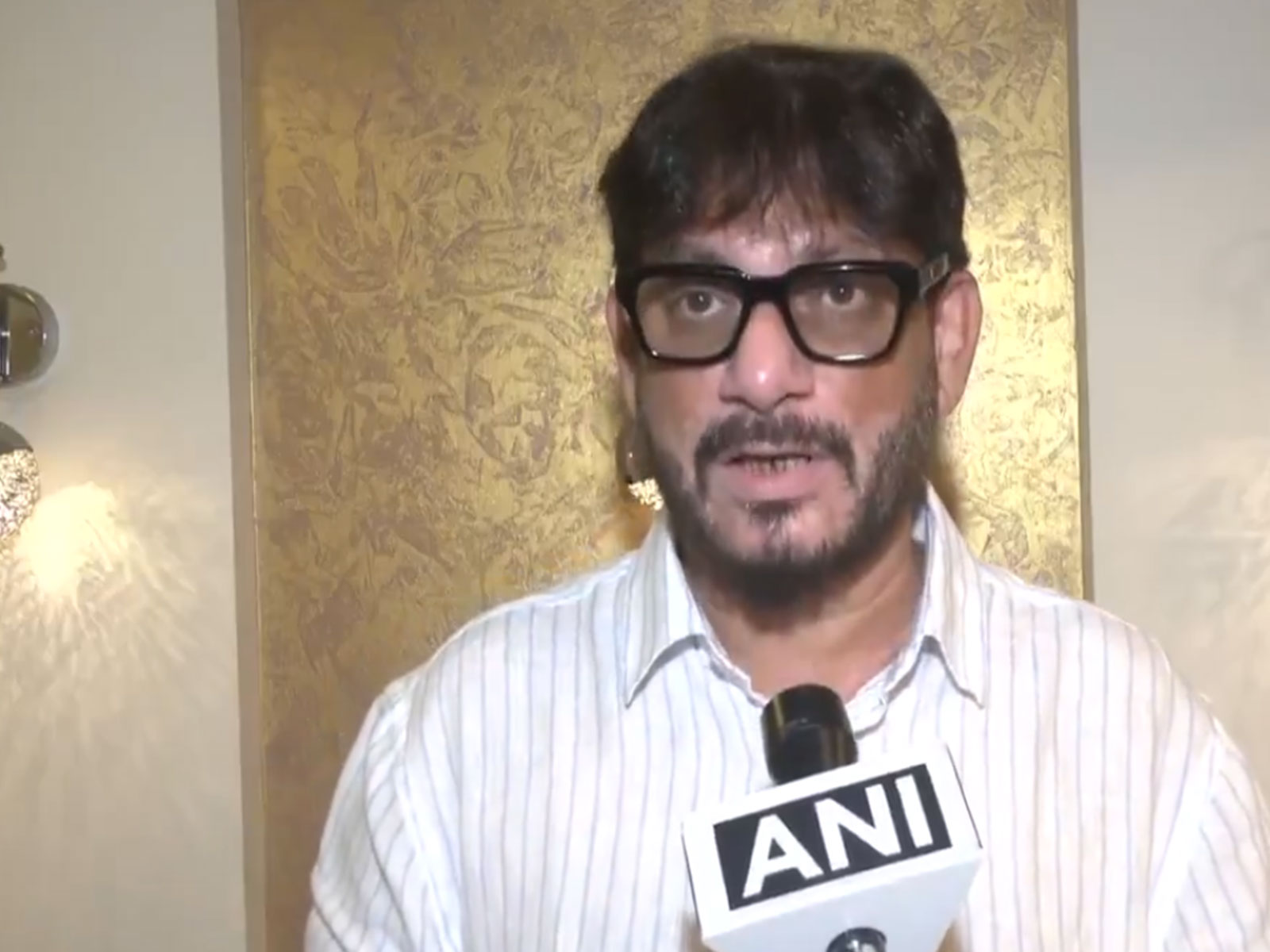
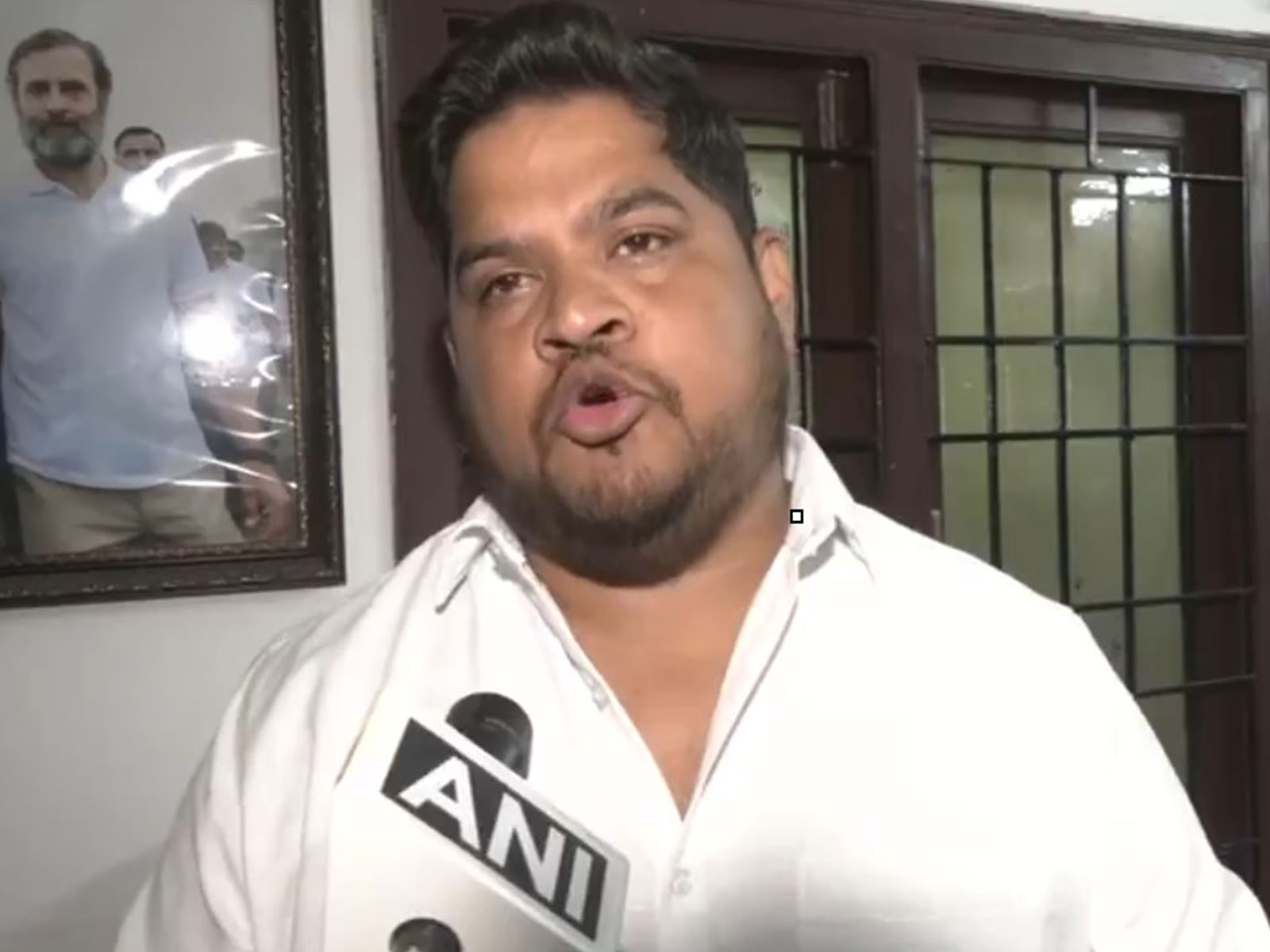
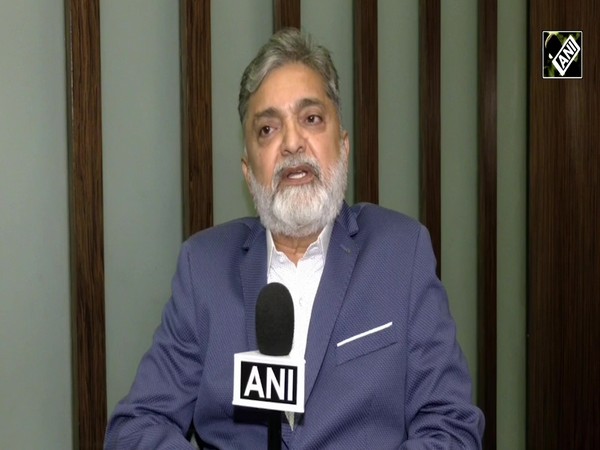
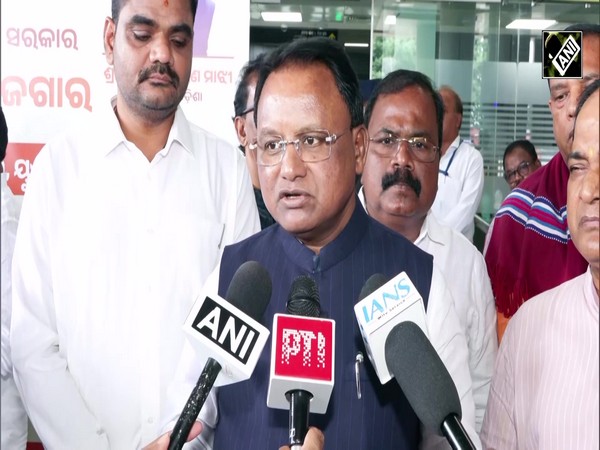
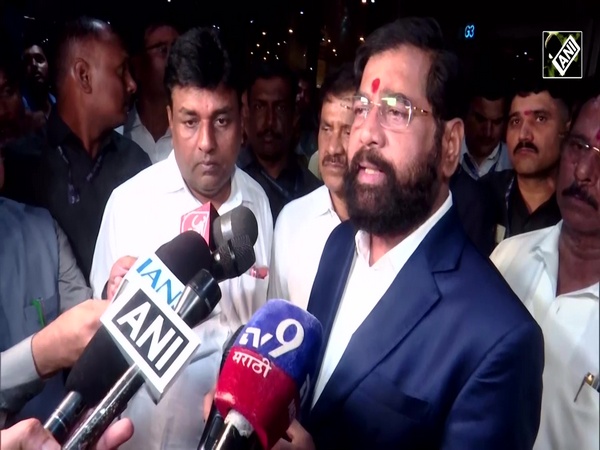
Mumbai (Maharashtra) [India], July 12 : All India Majlis-e-Ittehadul Muslimeen (AIMIM) leader Waris Pathan criticised the Maharashtra government, saying that the seven-member committee on the Uniform Civil Code (UCC) constituted by it lacks minority representation.
Speaking to ANI, Pathan termed UCC "unconstitutional."
"The committee formed in Maharashtra does not include a single minority. Whereas 14%-18% of the population here are minorities. Does their voice have no value? You should also take their opinion. The UCC is unconstitutional," he said.
Earlier on Thursday, Fadnavis announced that the committee to draft the UCC rules in the state of Maharashtra will be headed by former Supreme Court Justice Ranjana Desai.
The panel consists of a total of seven members, including three former judges from the Supreme Court or High Court, one constitutional expert, one former bureaucrat and two from the social sector.
Along with Desai, the panel will have former High Court Justice RC Chavan, former High Court Justice SG Mehere, former Chief Secretary of Maharashtra DK Jain, former Advocate General of Maharashtra Birendra Saraf, Social activist Padmashri Ramesh Patange, and Educationalist Suvarna Rawal as core members.
CM Fadnavis stated that this seven-member committee will comprehensively study all legal, social, and administrative aspects related to the Uniform Civil Code and submit a report with its recommendations to the state government within the next six months. Based on the committee's report, the government will finalise the draft of the Uniform Civil Code.
A Uniform Civil Code (UCC) refers to a single law applicable to all citizens of a country in personal matters such as marriage, divorce, custody, adoption, and inheritance.
Article 44, enshrined in Part IV of the Indian Constitution, which is a Directive Principles of State Policy (DPSP), recognises the need for a UCC, but it is not mandatory and is left to the government's discretion.