Exiled Baloch leader Brahumdagh Bugti criticises Pakistan's punitive approach to Balochistan
Feb 15, 2026
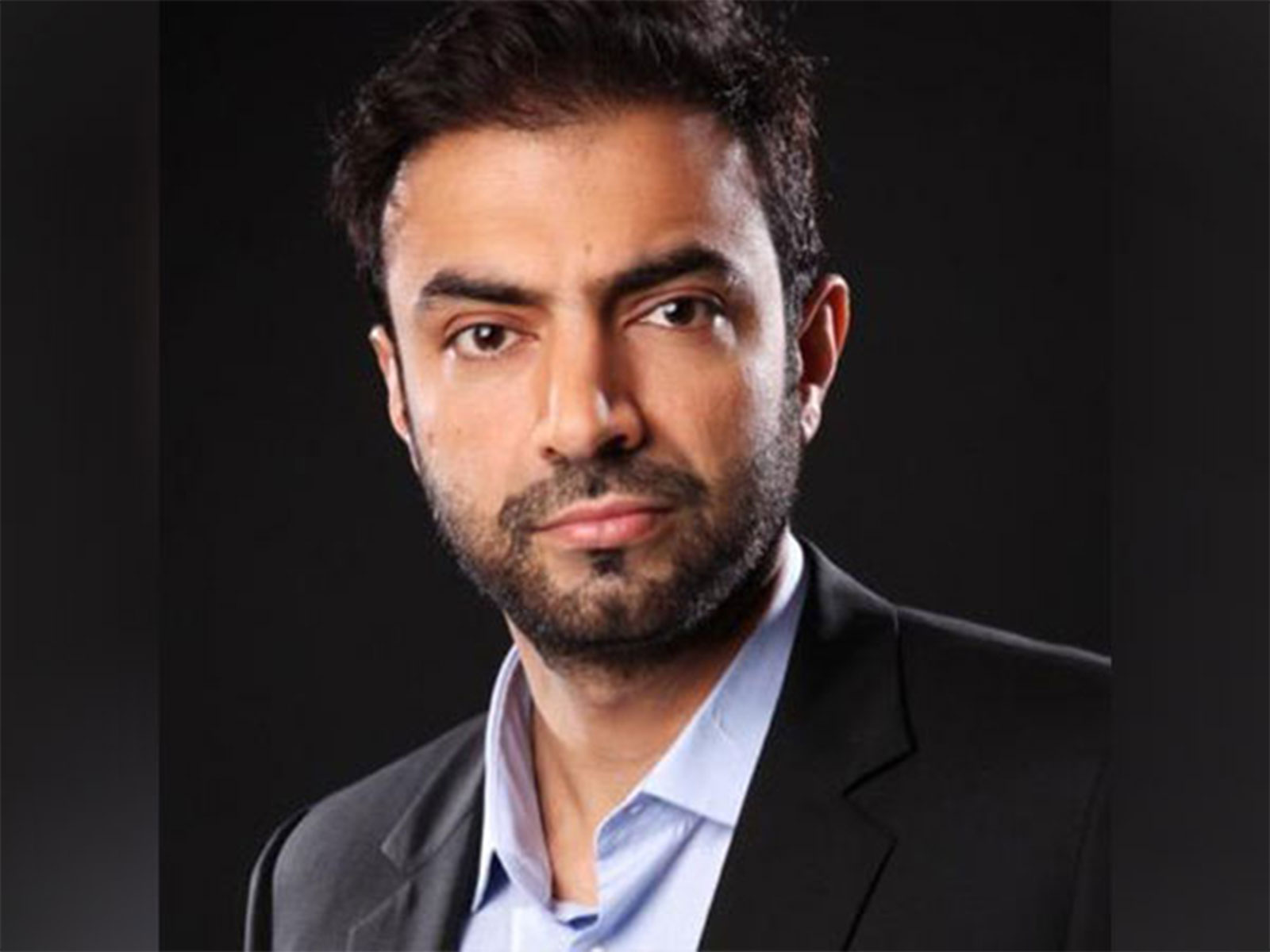
Geneva [Switzerland], February 15 : Nawab Brahumdagh Bugti, the President of the Baloch Republican Party (BRP), has criticised the Pakistani government's reported move to place financial rewards on exiled Baloch leaders, describing it as an attempt to sidestep substantive engagement with the political situation in Balochistan.
According to him, rather than opening channels for dialogue or addressing long-standing grievances, the authorities are adopting measures intended to curb dissent and redirect attention from core issues.
On X, Bugti stated that the key issues requiring urgent attention include allegations of enforced disappearances, disputes over the control and use of natural resources, and concerns about the provision of fundamental rights to the Baloch population.
He argued that actions targeting political opponents abroad would not help resolve these challenges.
He also expressed doubt about the current leadership's ability to manage what he characterised as deep and complex crises, contending that a system he believes is influenced by corruption and self-interest cannot readily deliver meaningful remedies.
Such decisions, he added, signal an unwillingness to create space for open discussion.
The BRP leader maintained that only serious negotiations, confidence-building measures, and recognition of local concerns could pave the way toward a sustainable settlement, warning that approaches focused on pressure rather than participation risk prolonging instability.
The decision has caused significant conflict in the region and anxiety among exiled Baloch leaders.
The region of Balochistan remains afflicted by a concerning trend of enforced disappearances, where some victims are eventually released while others face extended detention or fall victim to targeted killings.
These violations of fundamental rights have heightened insecurity and distrust among the local population.
The ongoing threat of arbitrary arrests and the lack of accountability continue to destabilise Balochistan, eroding efforts to restore peace, justice, and public trust in state institutions.