Favourable, balanced, well developed: IMC hails Budget 2026
Feb 01, 2026
Mumbai (Maharashtra) [India], February 1 : The IMC Chamber of Commerce and Industry has welcomed the Union Budget 2026, terming it as a strategic move that focuses on inclusive growth.
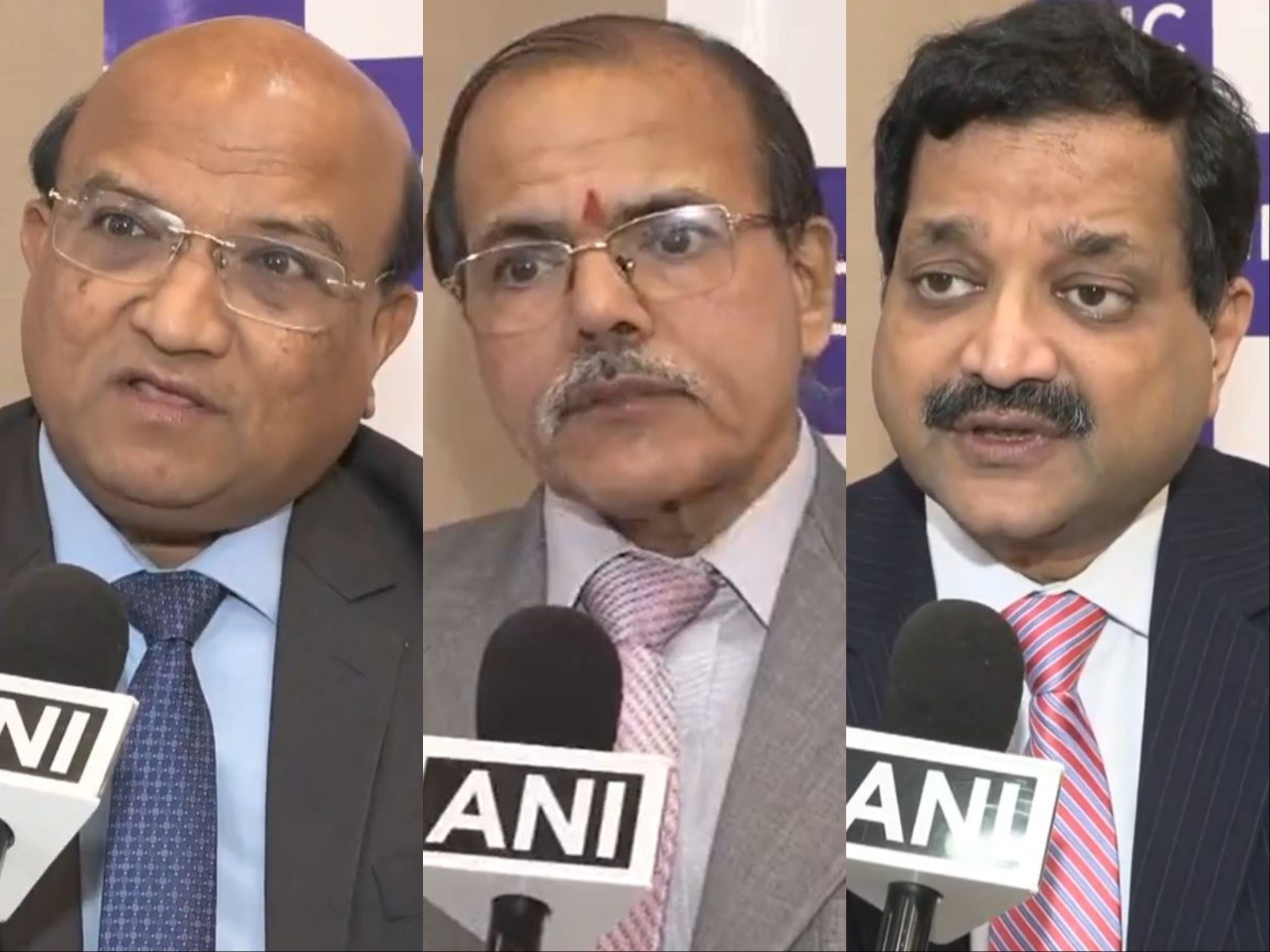
Mahendra Kumar Chouhan, Vice President of IMC Chamber of Commerce and Industry, called the budget "strategic" and highlighted that the budget has taken care of various sectors, including youth, women, farmers, MSMEs, the semiconductor industry, and the electronic industry.
While speaking to ANI, Chouhan said,"... It's a strategic budget with a focus on inclusive growth. It has taken care of various stakeholders in a very balanced manner. For example, it has taken care of the youth. It has taken care of women, taken care of farmers, MSMEs, the semiconductor industry, and the electronic industry..."
Deepak Joshi, Member of IMC's Managing Committee, had similar sentiments, saying that the budget is focused on macroeconomics and policy, and will support the 'Atmanirbhar Bharat' programme.
Joshi also appreciated the dedicated section for MSMEs, which will further strengthen the support they receive from the government. He also highlighted the integration of TReDS with GeM, which will benefit MSMEs.
"The budget is very focused on macroeconomics and policy. It will support the 'Atmanirbhar Bharat' programme. A dedicated section has been included for MSMEs, which will further strengthen the support they have been receiving from the government over the past four or five years. One key initiative is TReDS (Trade Receivables Discounting System), a platform for payments, which is now being integrated with GeM, the Government e-Marketplace. This means that whatever is purchased on GeM will automatically be linked with TReDS. We may need further details on this, but it is an excellent development for MSMEs", Joshi told ANI.
Former President of IMC, Rajiv Poddar, praised the budget for maintaining the budget's fiscal deficit target at 4.4% and increasing the capital outlay by one lakh crores.
"The budget was well developed overall. The key highlight is maintaining the fiscal deficit. They have kept it at 4.4, which is excellent, and even next year, they have increased the capital outlay by one lakh crores. They are bringing down the fiscal deficit target to 4.3 despite all the other services and incentives provided to various sectors," Poddar told ANI.
Narendra Mairpady, Chairman of IMC Banking NBFC and Finance Committee, also welcomed the budget, saying it has been favourable for the sector. He highlighted that the debt-to-GDP ratio will be reduced to 50% by 2031, and the borrowing is manageable.
"The budget has been very favourable. The debt-to-GDP ratio, as per the plan, will be reduced to 50% by 2031. The borrowing is manageable. By 2027-28, all trade agreements will be fully operational. The equity scheme has been brought," Mairpady told ANI.
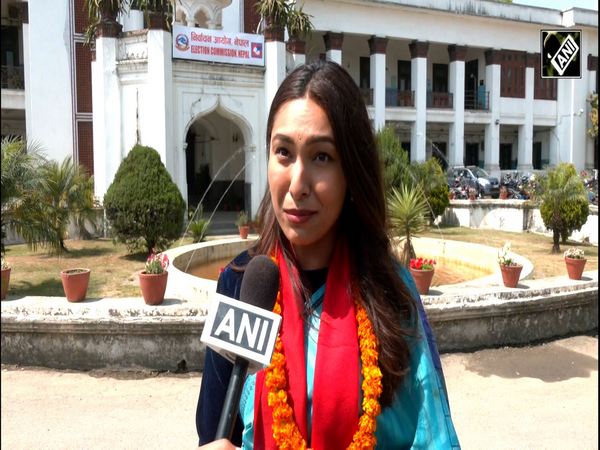
Sheetal Kalro, Deputy Director General of IMC, said that the budget is extremely balanced and that the government has maintained the fiscal deficit. She added that the budget has allocated investments in the right areas, such as AI, digitalisation, carbonisation, sustainability, infrastructure, and health.
"The budget is an extremely balanced budget. The government has maintained the fiscal deficit. In fact, they have reduced it a bit. A lot of investment is in the right areas with regards to AI, digitalisation, carbonisation, sustainability, infrastructure, and also health," Kalro told ANI.
She further adds, "The tax slab has been maintained. They have given a tax rebate in other aspects. It may not be personal tax, but it is for medicine, housing loans, or entrepreneurship. If you take it in a balanced way, we have tax exemptions in the right place."
Union Finance Minister Nirmala Sitharaman on Sunday presented the Union Budget 2026-27 in Parliament, proposing a significant 9 per cent increase in capital expenditure to Rs 12.2 lakh crore. The allocation aims to sustain the momentum in infrastructure development and support economic growth, marking a rise from the Rs 11.21 lakh crore allocated in the previous financial year.