France shifts stance, backs EU move to designate Iran's IRGC as terrorist group
Jan 29, 2026
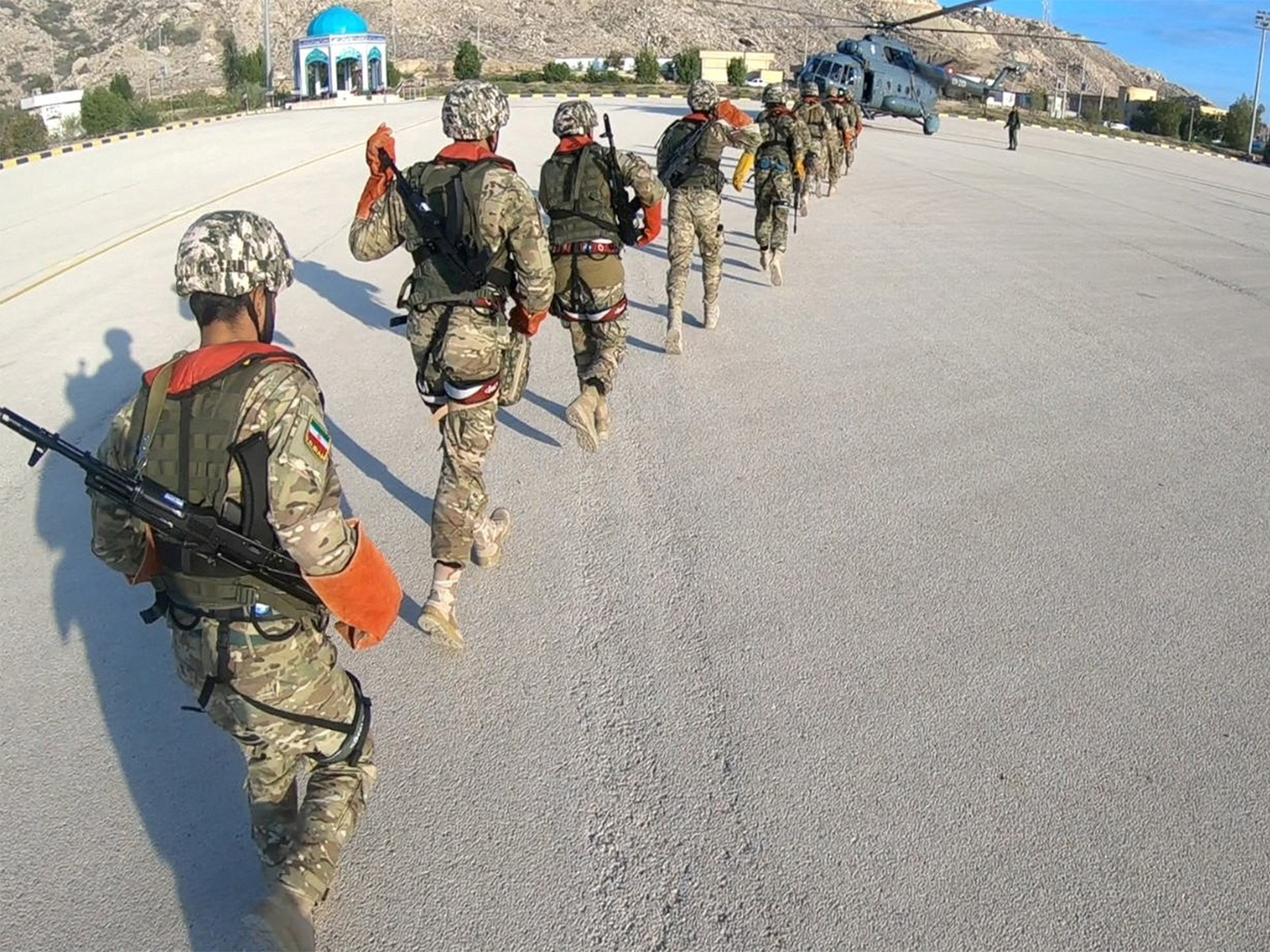
Paris [France], January 29 : France has announced that it will support the European Union's potential designation of Iran's Islamic Revolutionary Guard Corps (IRGC) as a terrorist organisation, marking a notable reversal of its previous reluctance on the issue, reported Al Jazeera.
The announcement from Paris comes amid growing international condemnation of Tehran's crackdown on widespread protests and signals a tightening of European diplomatic pressure on the Iranian leadership.
French Foreign Minister Jean-Noel Barrot said on social media platform X (formerly Twitter) that France would join its European partners in backing the IRGC's inclusion on the EU's list of terrorist entities. "France will support the designation of the Islamic Revolutionary Guard Corps on the European list of terrorist organisations," he wrote, adding that the regime must "immediately release prisoners, put an end to executions, lift the digital blockade, and allow the United Nations Human Rights Council's fact-finding mission to investigate the crimes committed in Iran."
Barrot's comments underscore the EU's broader response to what he described as the "unbearable repression" of Iranian citizens who have taken to the streets in recent weeks. He said European foreign ministers would adopt sanctions "against those responsible for the unbearable repression of the Iranian people's uprising" at a meeting in Brussels, targeting individuals with travel bans and asset freezes.
The move represents a shift for France, which had previously been hesitant to endorse labelling the IRGC as a terrorist group due to concerns that it could jeopardise diplomatic channels with Tehran. Officials in Paris had warned that such a designation might disrupt negotiations over detained Europeans in Iran and risk further diplomatic fallout. With the new stance, France joins other EU states, including Italy and Germany, in supporting the measure, which is expected to gain political approval if all 27 EU member states agree, as reported by Al Jazeera.
The IRGC, established after Iran's 1979 Islamic Revolution, plays a central role in the country's military, economy, and political structure. It commands significant influence over ballistic missile and nuclear programs and has been involved in Iran's foreign operations in the Middle East. Supporters of the designation argue that the IRGC's involvement in domestic repression and regional activities justifies its placement on the EU's terrorism list, aligning with similar actions taken by countries such as the United States, Canada, and Australia in recent years.
Tehran has responded with strong warnings, dismissing the proposal as politically motivated and threatening "destructive consequences" if the designation proceeds. Iran's foreign ministry summoned the Italian ambassador earlier this week, reflecting the diplomatic strain the issue has already created.
The debate over the IRGC's status comes against the backdrop of one of the bloodiest protest movements in Iran's recent history, sparked by economic hardship and political grievances. The French announcement indicates a growing consensus in Europe that stronger measures are necessary to respond to both human rights abuses and broader security concerns involving Tehran's most powerful military institution.