From village to global: India's biotech revolution
May 08, 2026
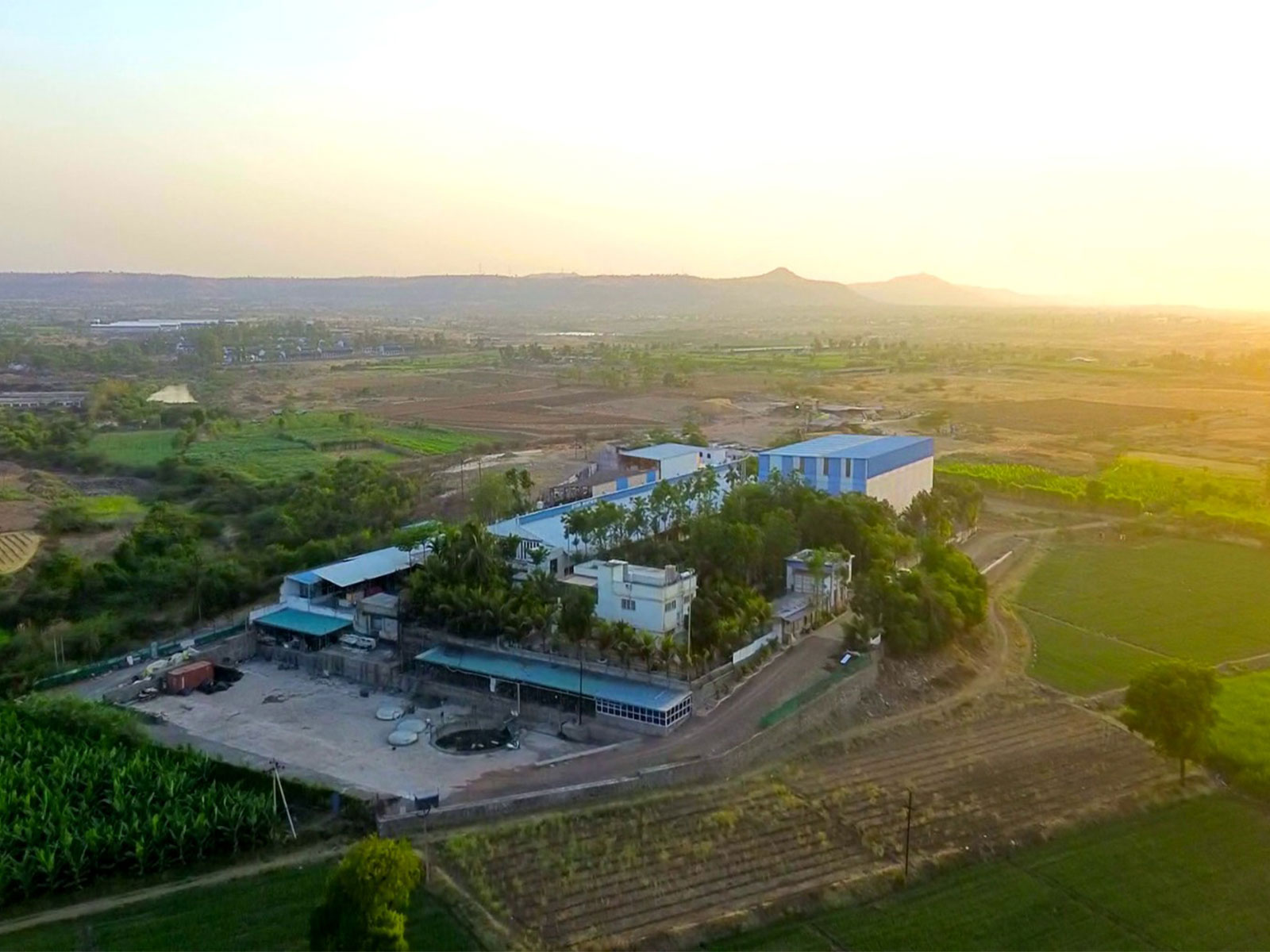
Pune (Maharashtra) [India], May 8 : A quiet village on the outskirts of Pune is emerging as an unlikely hub of cutting-edge biotechnology innovation--challenging the long-held belief that high-end scientific research belongs only in metropolitan laboratories.
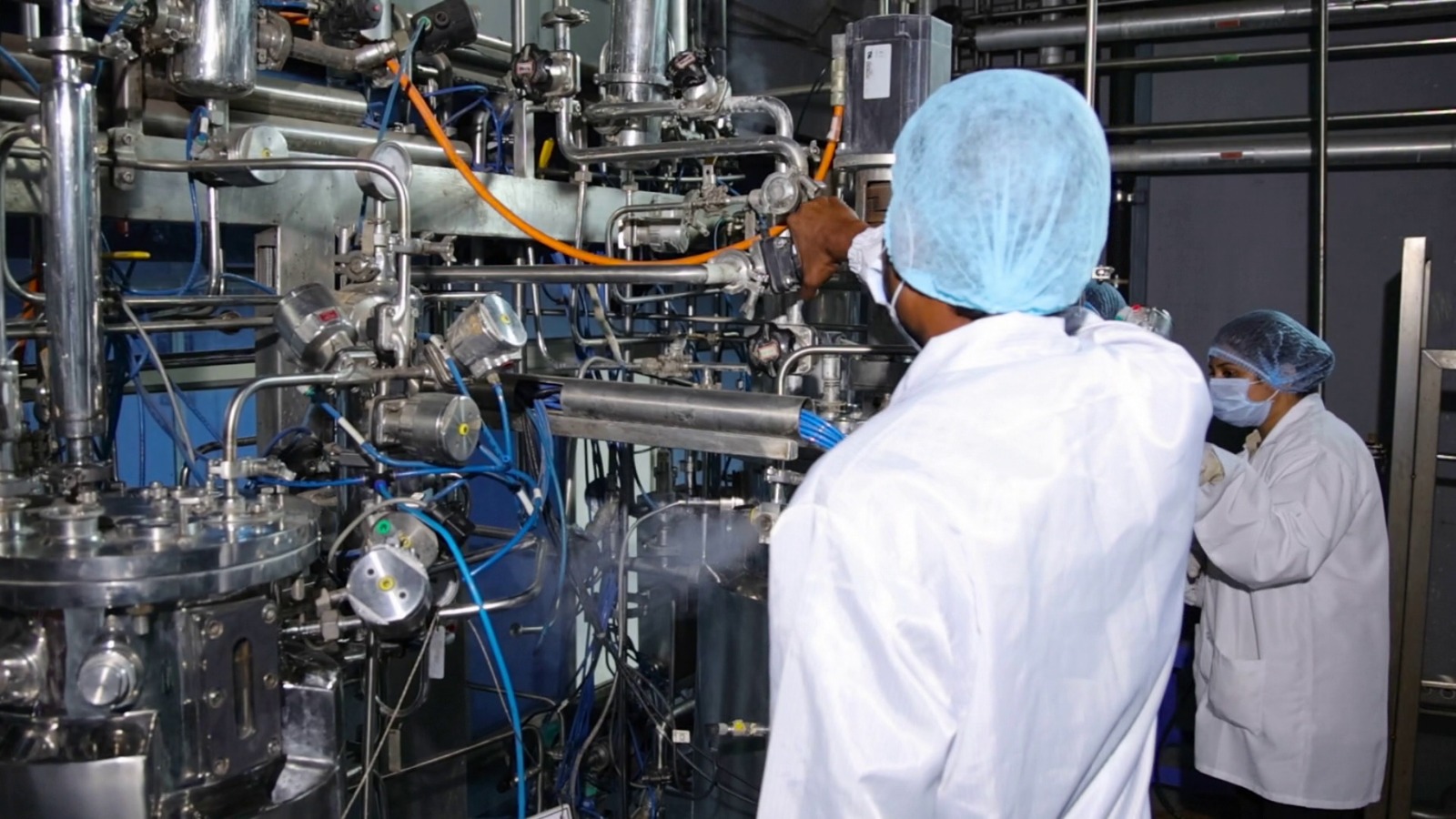
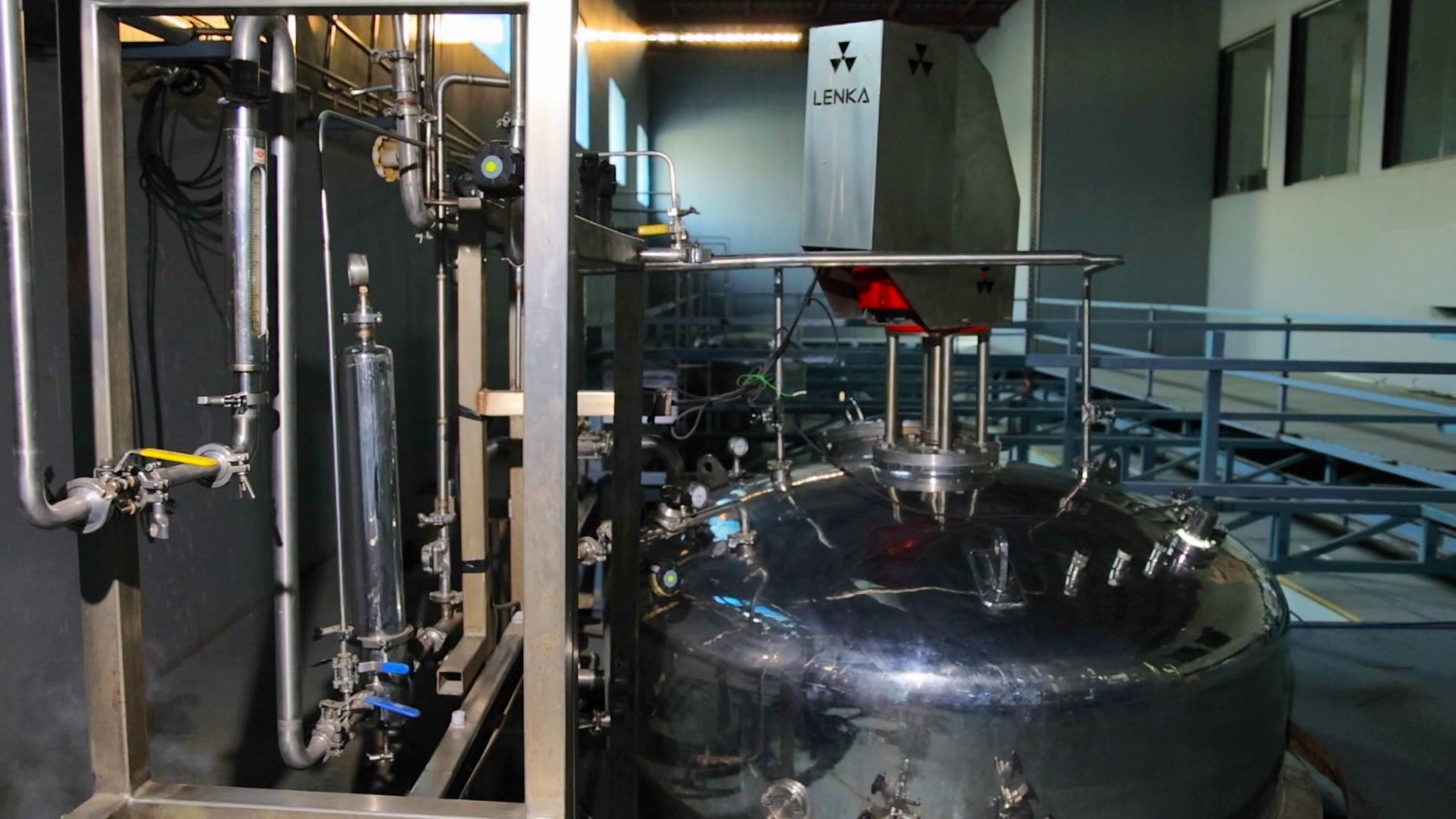
In Phursungi village, near Pune, a modern biotechnology facility is quietly shaping technologies that power vaccine production, bioenergy systems, and sustainable agriculture solutions.
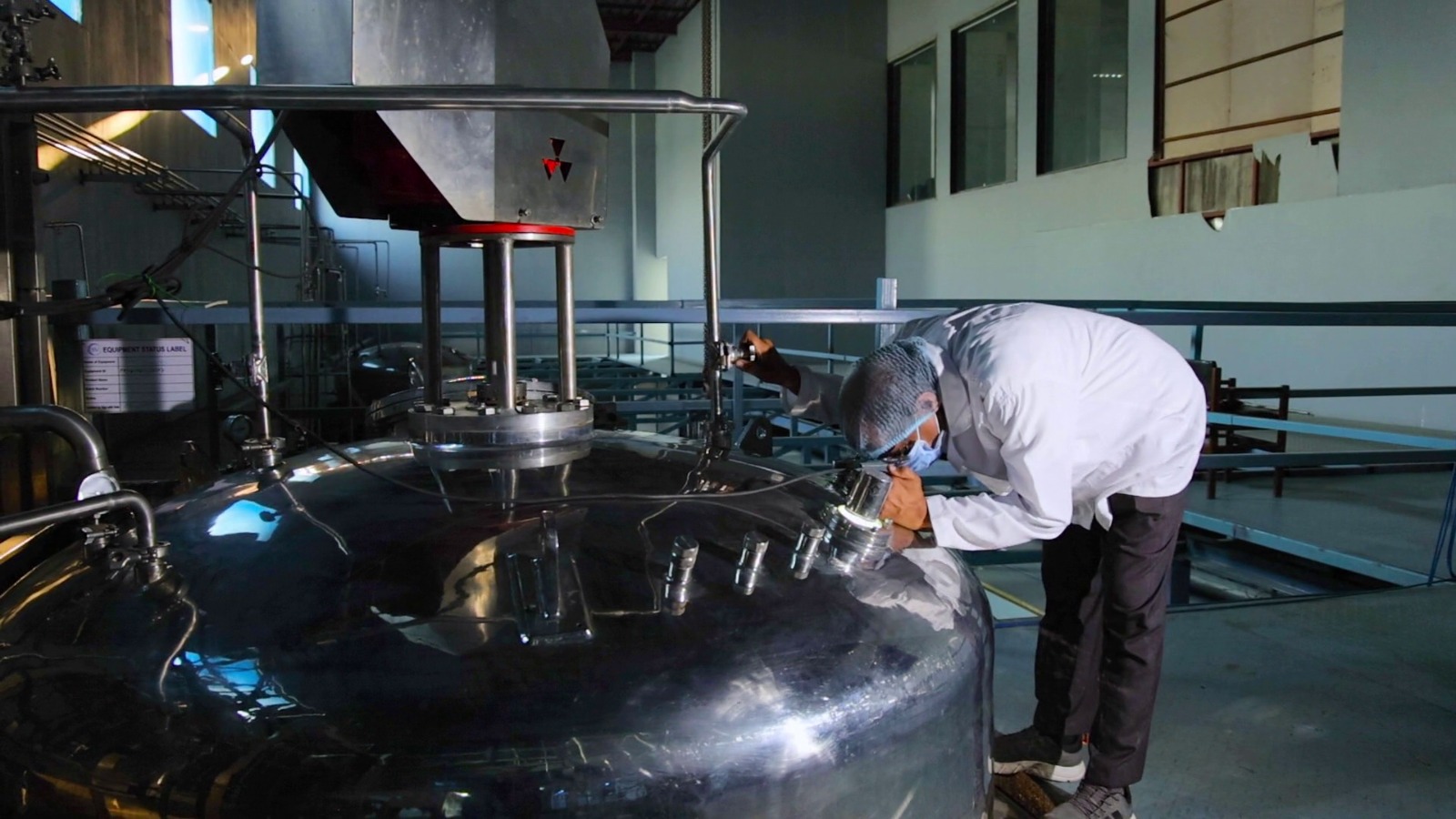
Among its most significant achievements is the development of India's first indigenous bioreactor--an innovation that once relied entirely on expensive imported technology.
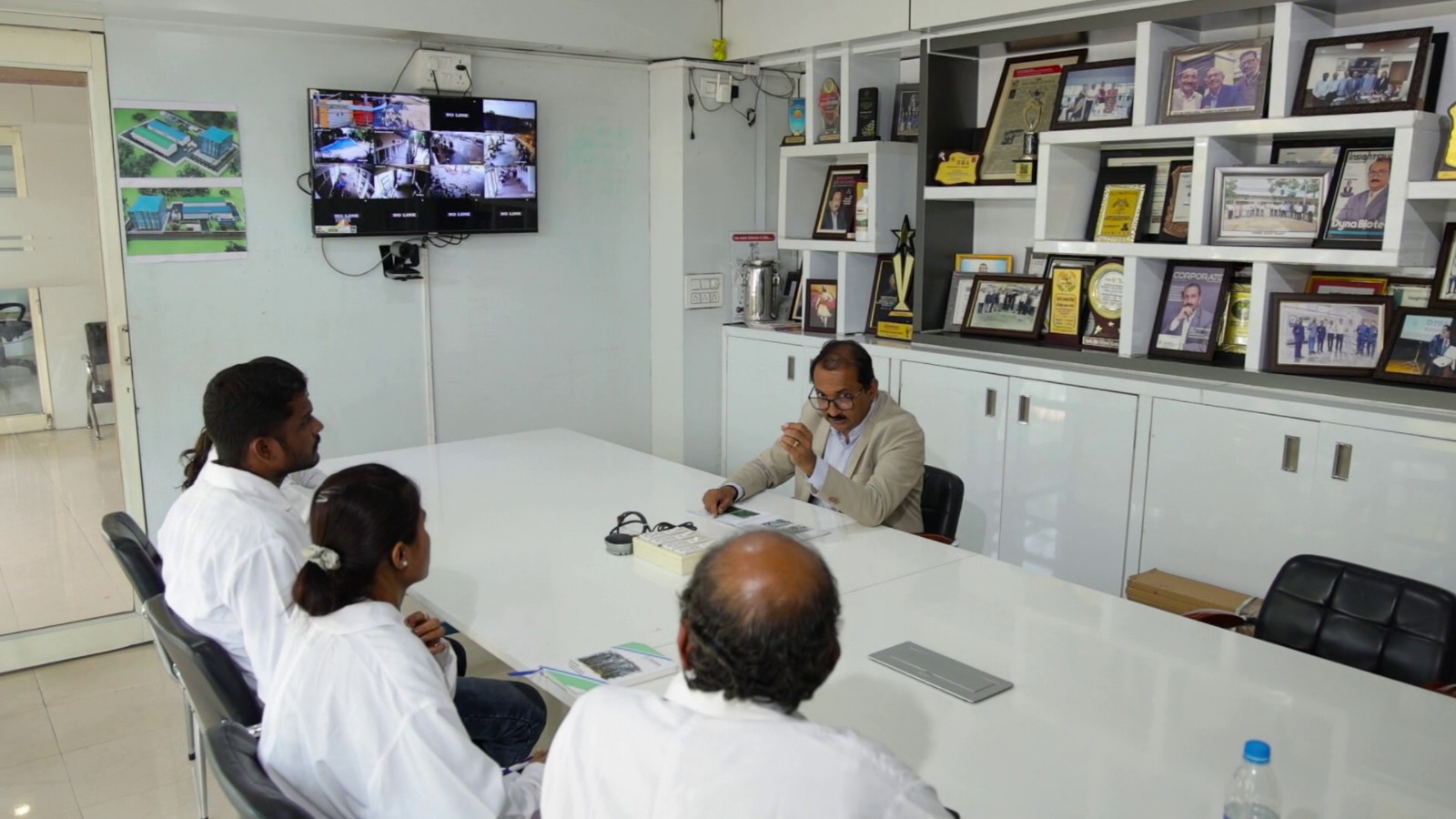
At the heart of this innovation is Dyna Biotech, led by Dr. Vinodkumar Patil, who played a key role in developing India's domestic bioreactor technology. According to him, the goal was rooted in self-reliance and rural empowerment.
"Our country was once called the golden bird because of its strong agricultural base," said Dr. Patil. "If we want to restore that strength, farmers must be empowered with science, technology, and advanced equipment. A bioreactor can help build a sustainable village. That was our vision."
Beyond healthcare applications, the company has expanded its work into renewable energy through advanced biogas systems.
The facility demonstrates a next-generation model of waste-to-energy conversion, where agricultural and organic waste is transformed into fuel and fertilizer.
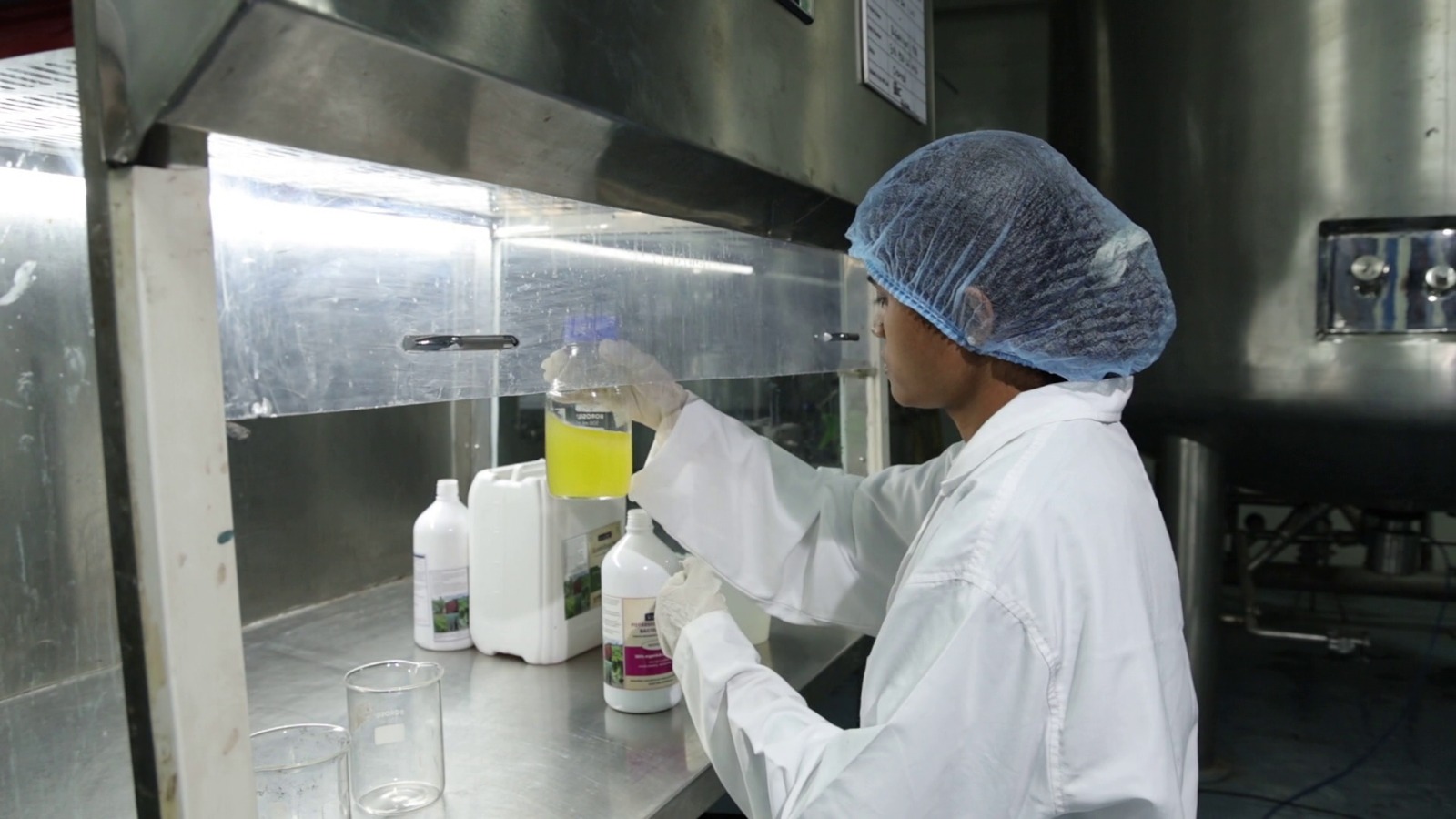
Explaining the process, Dr. Patil said, "We isolate specific microbial consortia in the lab that produce higher gas output. These microorganisms are cultivated in bioreactors under controlled conditions. Agricultural waste like stubble, napier grass, or sugarcane residue is processed and fed into fermenters. Through controlled biotechnological and metabolic processes, gas production becomes nearly five times more efficient than conventional systems."
The innovation is not limited to a single plant. Experts at the facility believe the model has the potential to transform rural economies by integrating waste management, energy generation, and agriculture into a unified ecosystem.
"If scaled, this technology can create a complete rural ecosystem where waste becomes a resource," the report noted. "Energy production, farming support, and sustainability can all operate together."
Shivani Borkar, Quality Control Officer at Dyna Biotech, highlighted India's growing presence in deep-tech biotechnology.
"Earlier, deep-tech biotechnology systems were mostly developed abroad," she said. "But now it is happening in India, here itself. The reactors and industrial equipment being developed here are used not only in India but also exported for vaccine production globally."
The rise of such innovation in semi-rural Maharashtra underscores a broader shift in India's technological landscape--where world-class research and manufacturing are no longer restricted to urban centres.
From Bhadegaon, this "Make in India" success story reflects a growing confidence in India's deep-tech and biotech sectors, positioning the country as a rising global leader in scientific innovation.
As Dr. Patil summarized, "This is not just about technology. It is about making villages self-sustainable through science."