Govt's move on username-related impersonation risks can help curb cyber fraud: 63SATS Cybertech CEO
Jul 03, 2026

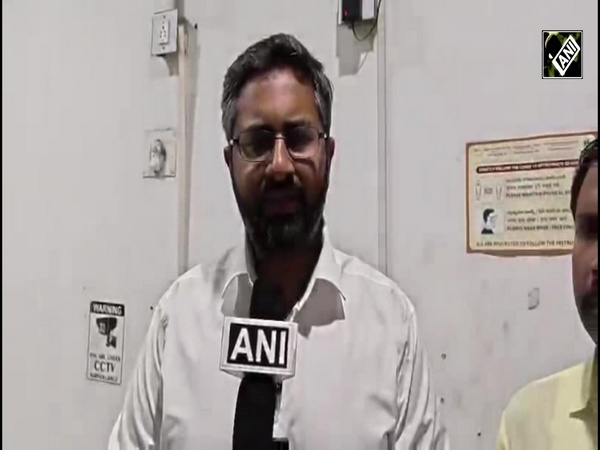
New Delhi [India], July 3 : The government's reported notice to Meta over username-related risks is aimed at preventing cyber fraud and impersonation by threat actors, according to Neehar Pathare, Managing Director, CEO and CIO of 63SATS Cybertech, who said the current username system could be exploited to deceive users.
Speaking to ANI on the sidelines of the Cyber 360 Degrees Summit, Pathare said anyone can currently claim a username on a first-come, first-served basis, creating the risk of impersonation.
"So username is something that you decide. It's the fastest finger first. So anyone who blocks a high-profile person's name could have that username first," he said.
Explaining the concern behind the government's move, he said, "This should not be the case, and that's where the government says that this could be a threat for threat actors to actually take someone else's username and start demanding money or get into a cyber fraud."
Referring to the reported notice, Pathare said, "We'll wait and watch. It's under three days is the time to reply. We are eagerly waiting for that."
He said the discussion at the summit also focused on protecting India's critical infrastructure from rapidly evolving cyber threats, particularly as artificial intelligence makes attacks more sophisticated.
"If you see, critical infrastructure works on OT, and OT is a very legacy old equipment. Some of the equipments are 20 years old. People do not want to change it, but the cyber attacks which are happening on them are at lightning speed because of AI," he said.
Pathare said cybersecurity should no longer be viewed only as the responsibility of IT teams.
"The boards and CEOs should know cyber security is not an IT task, it's a balance sheet task. If any attack happens on a company, it directly affects the balance sheet," he said.
He added that cyber threats are increasingly shifting towards smartphones.
"More than your desktop or laptop, which is usually used in corporates, is already protected. Your next threat vector is your handset, your mobile handset," he said, adding that mobile security solutions are becoming increasingly important as phishing and QR code-based scams continue to rise.