Growth outlook improves, rates likely on hold through FY27: Kotak AMC's Deepak Agarwal on RBI MPC
Feb 06, 2026
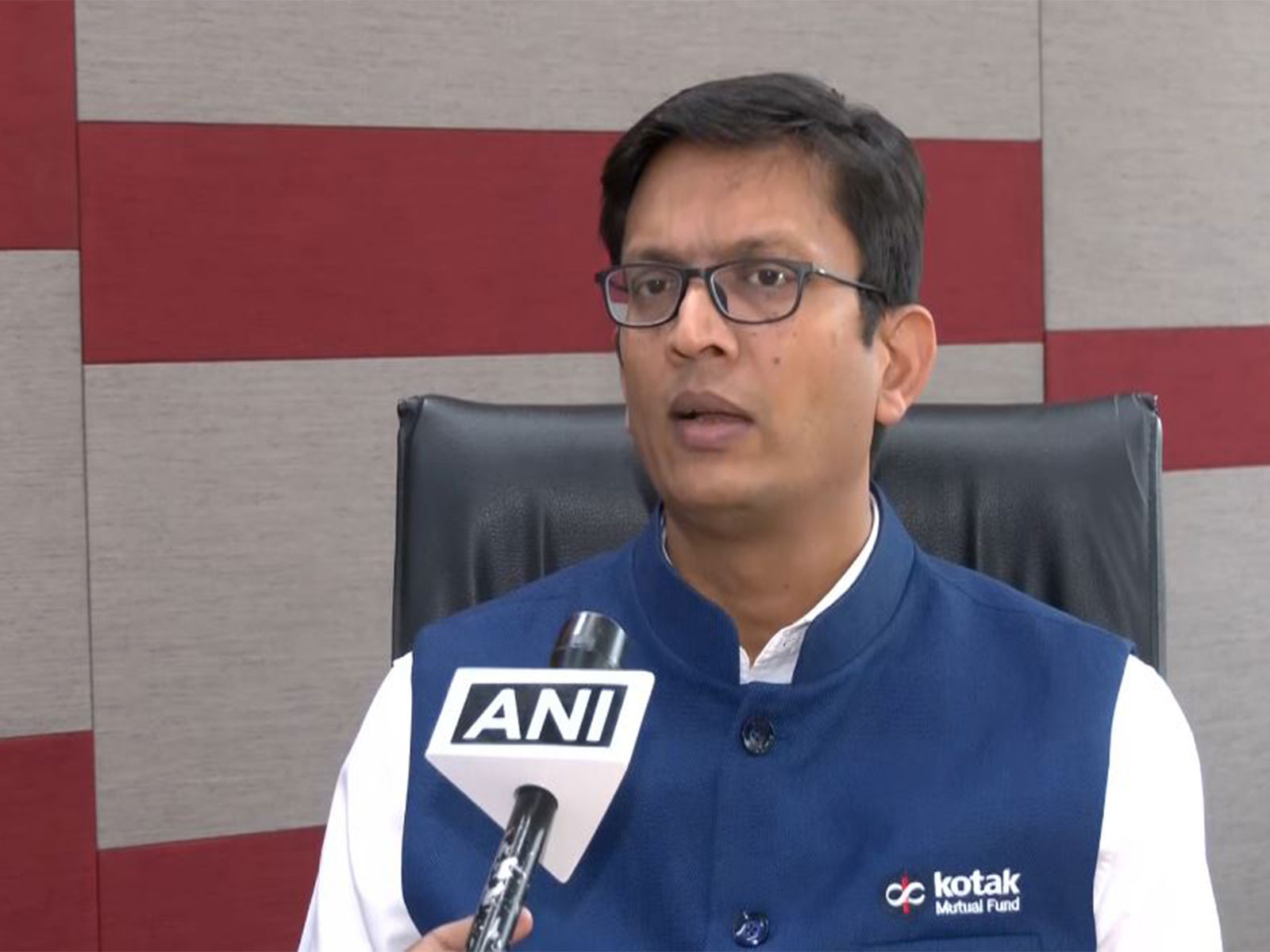
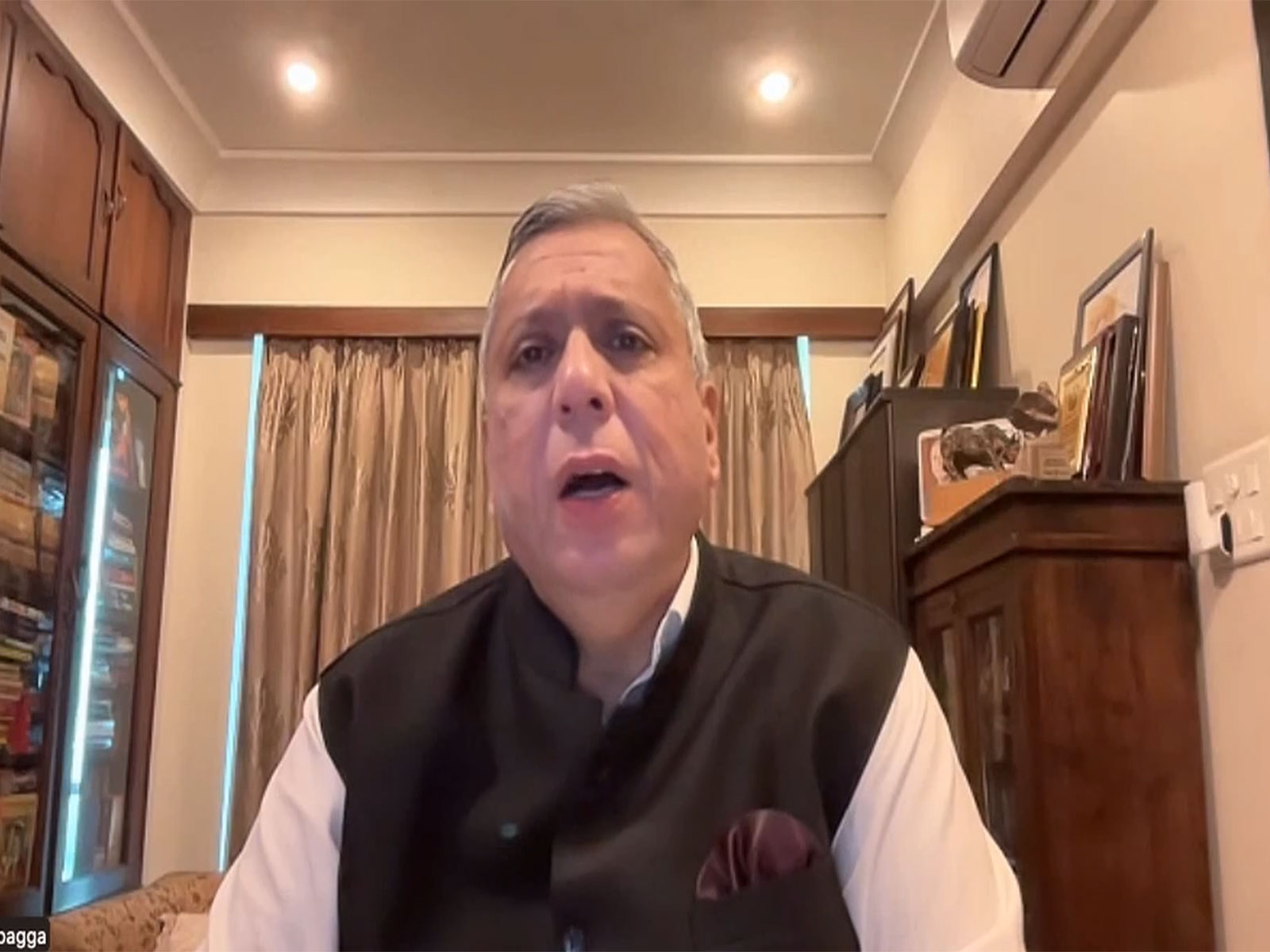
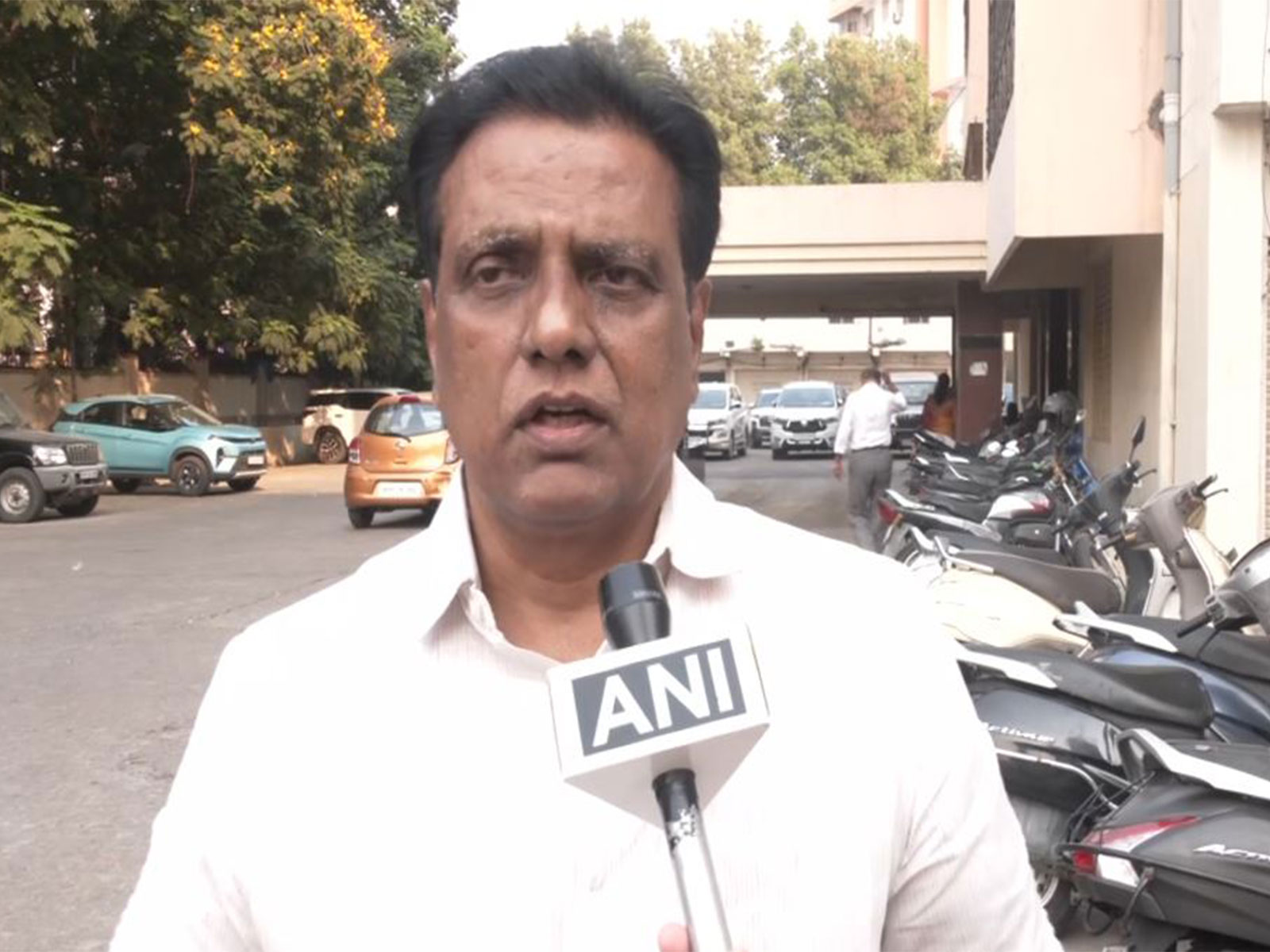
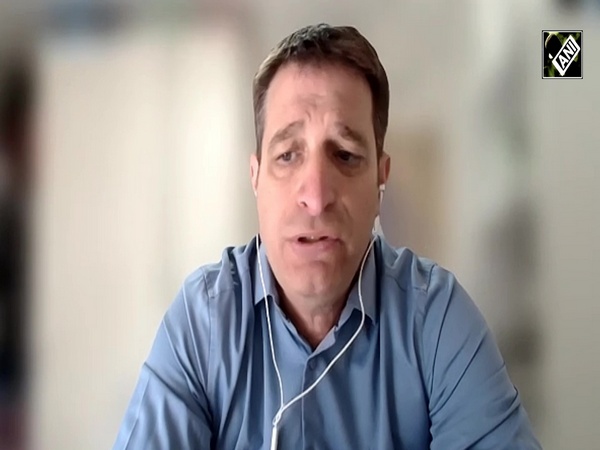
New Delhi [India], February 6 : The Reserve Bank of India's latest monetary policy decision was largely in line with market expectations, with no change in the repo rate and the policy stance retained as neutral, said Deepak Agarwal, CIO-Debt, Kotak Asset Management Company.
The Monetary Policy Committee (MPC) voted unanimously to keep policy rates unchanged.
While speaking with ANI, Agarwal said, "The decision reflects improving macroeconomic conditions, with inflation stabilising near the 4% target and downside risks to growth easing."
"Inflation is now stabilising at around 4%, and the downside risk to growth has reduced. In that context, it was a prudent decision by the RBI to keep rates unchanged," he added.
"RBI's post-policy guidance indicated that interest rates are likely to remain low for an extended period. India's GDP growth, despite earlier tariff-related challenges, has continued to remain strong, supported by government measures and resilient domestic demand," he said.
Agarwal highlighted that fiscal measures announced in the FY25 Budget, including tax benefits for individuals and GST rate cuts, have supported consumption and growth momentum into FY26. With recent US tariff reductions and easing global headwinds, exports are expected to pick up further.
"The domestic economy is doing well. Agriculture is likely to grow, corporate results are decent, and the services sector remains resilient," he said.
Reflecting these developments, the RBI has revised its growth outlook upward. While the central bank had projected first-half FY27 growth at 6.75% in December, it has now increased the estimate to 6.95%. On inflation, the projection has been revised from 3.95% to 4.1%, largely due to a rally in precious metal prices, which form part of the CPI basket.
"We are in a good situation of relatively low inflation and higher growth. We believe RBI is likely to remain on a long pause and may not change rates either upward or downward through FY27," Agarwal noted.
On the recent US tariff developments, Agarwal said the reduction in US tariffs on Indian exports is a positive development, even as details are awaited.
"India faced tariffs of nearly 50% for about six months. The reduction in US tariffs is positive for exports and should provide incremental growth next year," he said, adding that clarity on the final structure is expected over the next 45-60 days.
He also pointed out that improving export prospects could help narrow India's current account deficit, which currently stands at around $50 billion, and ease pressure on the rupee. Potential inclusion of India in global bond indices could also attract capital inflows.
"With Indian equity valuations correcting and currency pressures reducing, we expect FII flows to return to Indian equity markets. This is positive for the currency, equities, and also for interest rates," Agarwal said.
Commenting on market reaction to the policy, Agarwal said there were no major surprises or misses. While bond markets saw some pressure at the longer end of the yield curve due to anticipated higher government borrowing by both the Centre and states, the RBI's assurance of proactive liquidity management should help.
"Short-term rates are likely to trend lower over the next three to six months as RBI ensures sufficient liquidity in the system," he said.
Overall, Agarwal said the policy outcome was broadly in line with expectations and contained no negative surprises for markets.