Hansi becomes Haryana's 23rd district
Dec 22, 2025
Chandigarh (Haryana) [India], December 22 : The Haryana government has issued a notification making Hansi a separate district, effective from today, Monday. With this, the state now has a total of 23 districts.
In its statement, the government said "In exercise of the powers conferred by section 5 of the Haryana Land Revenue Act, 1887 (Punjab Act 17 of 1887 ) read with section 5 of the Registration Act, 1908 (Central Act 16 of 1908), the Governor of Haryana hereby varies the limits and alters the number of sub-division of district Hisar, so as to form a new District to be called Hansi comprising of the sub-divisions of Hansi and Narnaund."
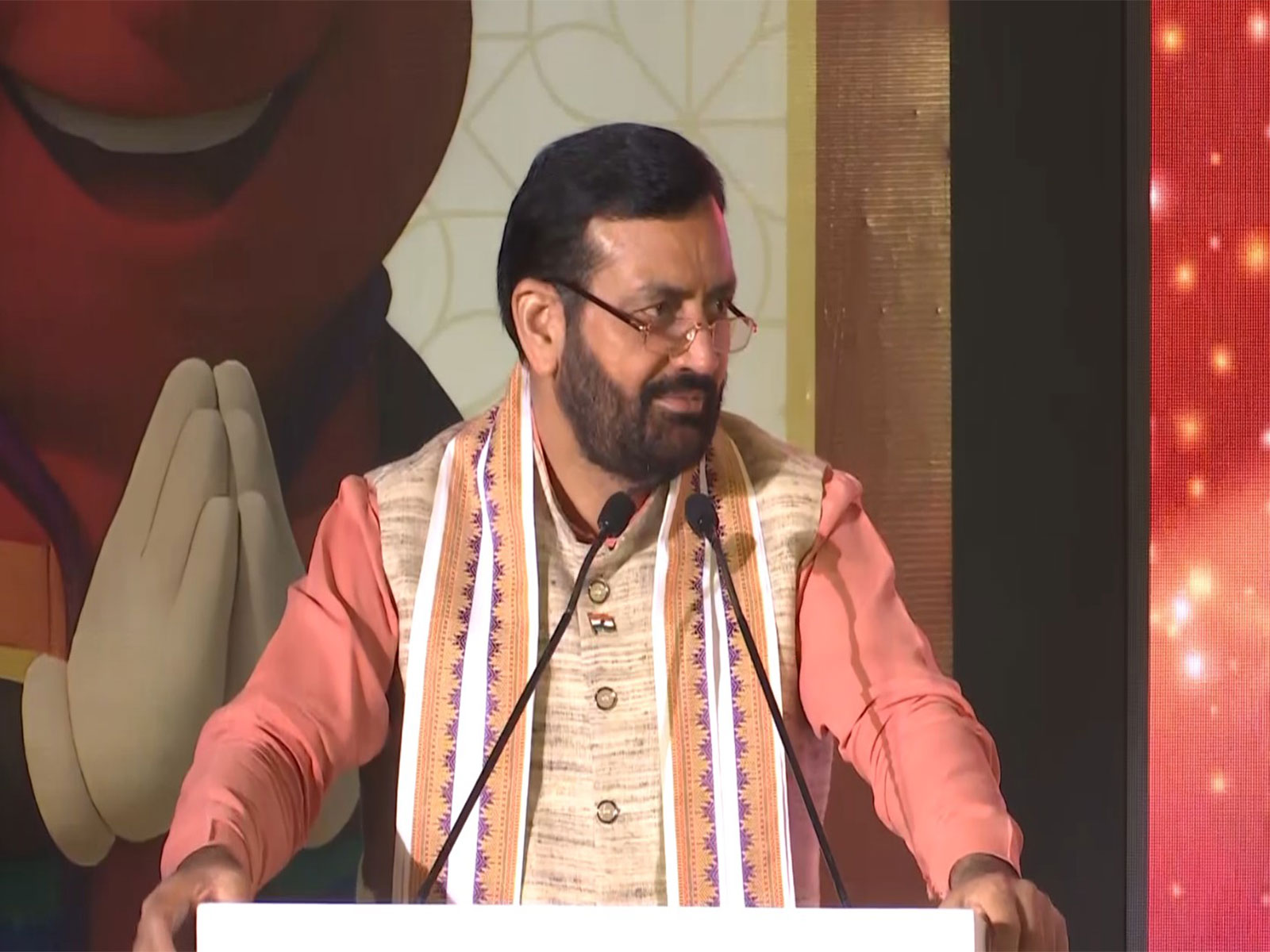
Meanwhile, Haryana Chief Minister Nayab Singh Saini said the land registration process in all tehsils across the state is entirely online, significantly reducing opportunities for corruption. Buyers can now apply for registration online from their homes.
Tehsildars are required to complete registrations within a set timeframe. If a registration is not completed on time, the concerned tehsildar must submit a written explanation to the government. If the answer is found unsatisfactory, disciplinary action will be initiated, and the responsibility will be transferred to a senior officer, he said, according to a release.
Earlier, the Delhi Cabinet approved the landmark proposal to reorganise Delhi's 11 existing revenue districts into 13 new revenue districts that will be fully co-terminus with the 12 MCD zones, NDMC, and Delhi Cantonment Board, a release said.
According to a press release from the Delhi government's Revenue Department, the national capital will have 13 districts: South East, Old Delhi, North, New Delhi, Central, Central North, South West, Outer North, North West, North East, East, South, and West.
According to the press release, the move aims to end decades-old jurisdictional confusion between revenue districts and MCD zones, increasing the number of subdivisions from 33 to 39 and the number of Sub-Registrar offices from 22 to 39.
According to the Delhi government, this reform will significantly improve the ease of living, accelerate service delivery, and ensure seamless coordination across land records, property registration, civic services, and grievance redressal.