"If rules fail to evolve and adapt to changing realities, they risk becoming irrelevant": FS Vikram Misri
Mar 07, 2026
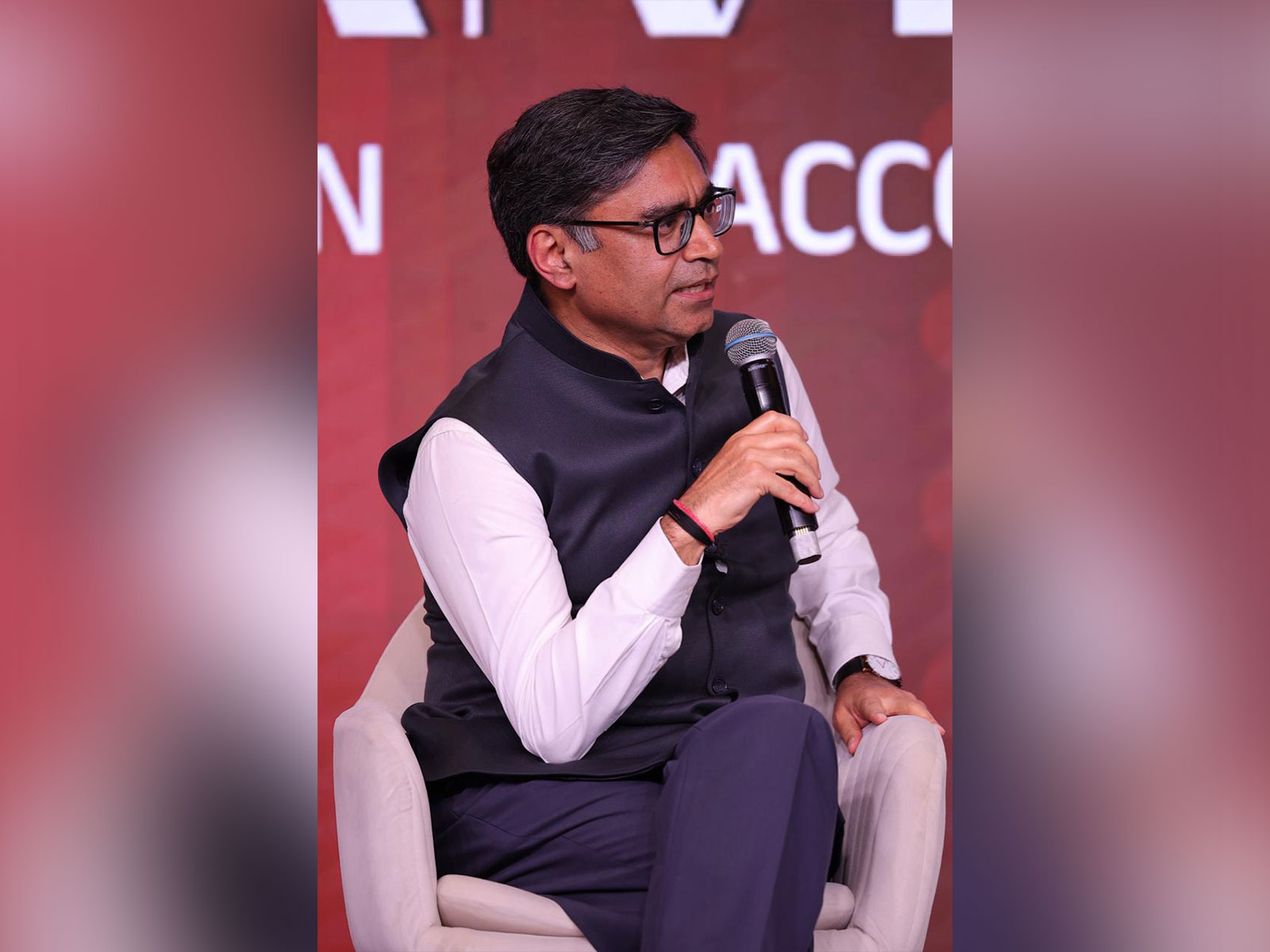
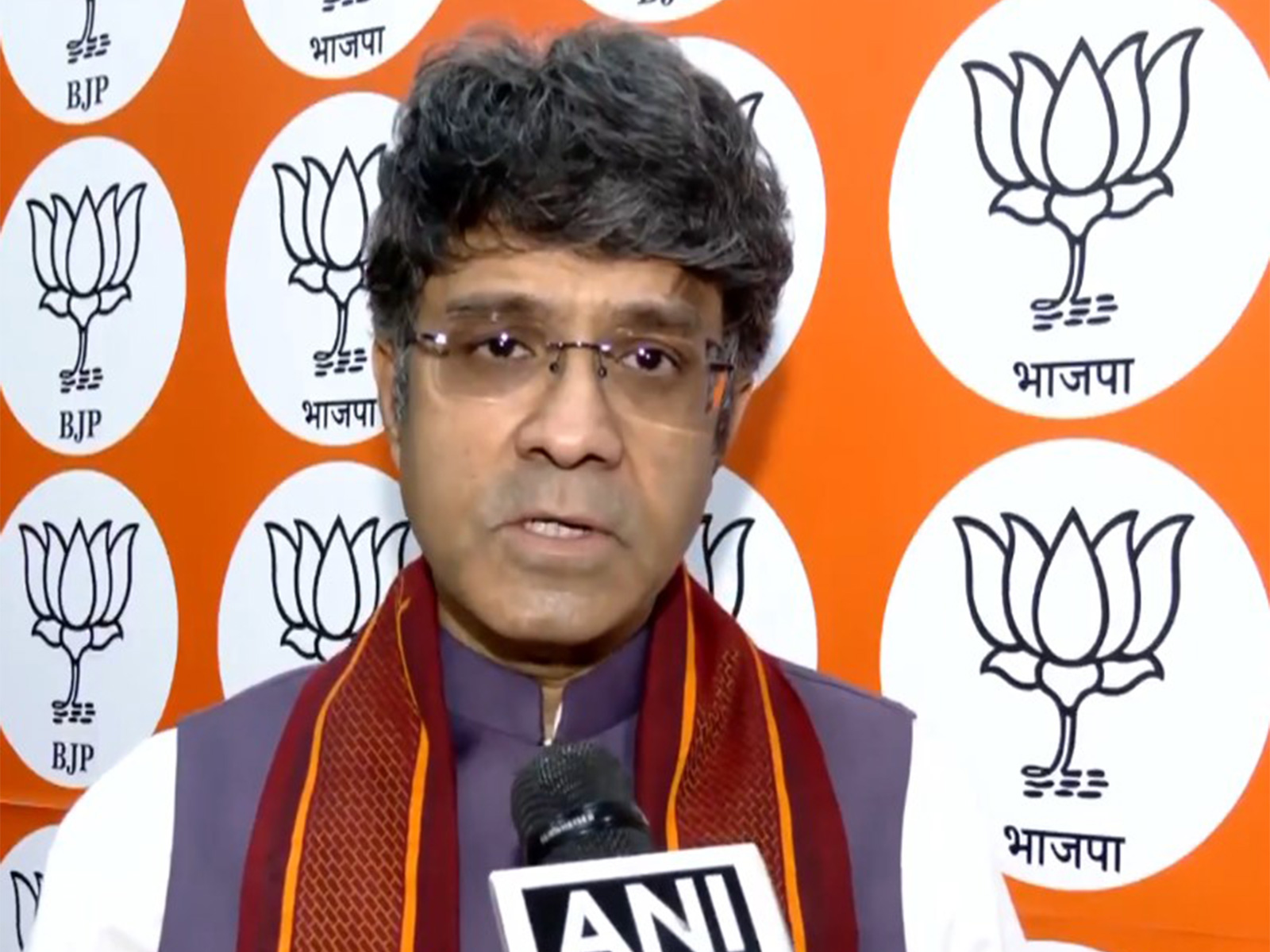
New Delhi [India], March 8 : Vikram Misri, India's Foreign Secretary, said New Delhi is pushing for a more pragmatic approach to global partnerships, arguing that cooperation should not rely solely on shared values but also on mutual interests.
Speaking at the Raisina Dialogue, Misri said India supports a rules-based system but questioned whether emerging powers had an equal role in shaping those rules, warning that frameworks that fail to adapt to new geopolitical realities risk losing relevance.
https://x.com/raisinadialogue/status/2030286183557931222?s=20
He said, "We must move beyond the principle of shared values, which, while important, is not enough to build lasting cooperation. It is possible to compete in one domain while cooperating in another. India has no issue with a rules-based order--but did we have a hand in shaping those rules? If the rules fail to evolve and adapt to changing realities, they risk becoming irrelevant."
Canada's former Prime Minister Stephen Harper said that the fact that two major powers are pursuing competitive policies is a cause of concern.
"There is growing concern over the geopolitics of the two major powers, which are pursuing competitive policies unapologetically. Can middle powers step up to take the lead in tackling these issues?" he said.
Harper further raised concern over the US threatening to make Canada the 51st US state- a threat to Canada's sovereignty.
"In recent times, the US has posed challenges to Canadian sovereignty. The world is shifting from values-based diplomacy toward realpolitik and interest-driven policies, where democracy and ideals are increasingly taking a backseat to security and economic priorities," he said.
Comfort Ero, President and CEO of Crisis Group think tank, said that India offered valuable cues on how the structure of future cooperation will be shaped.
She said, "We need to reflect seriously on what a new 'New Deal' moment should look like and how the structure of future cooperation will be shaped. India and Canada have already offered valuable cues. Rule-makers have become rule-breakers, creating space for other countries to pursue their sovereign choices. Yet when they cannot safeguard those choices, the very value and legitimacy of the rules surrounding them become uncertain. Having an agency is critical."
Philippe Varin, Chairperson of the International Chamber of Commerce in France, said that the growing number of bilateral agreements is further complicating the pursuit of multilateral consensus.
"If the WTO were to collapse, developing and emerging economies could lose 5-10% of their GDP. The growing number of bilateral agreements is further complicating the pursuit of multilateral consensus. How can businesses compete in technology while still forging meaningful partnerships? Supply chains have grown increasingly complex, and critical materials are vital for mobility, energy, and sustainability. Partnerships are essential--but without shared principles, they remain fragile," he said.
Leslie Vinjamuri, President and CEO of the Chicago Council on Global Affairs, said that US President Donald Trump's policies are causing significant disruptions in Americans' daily lives.
"Trump remains the only sitting US president in recent history who has not received overwhelming approval through wars abroad. Deep divisions within the US are evident on issues such as tariffs and immigration, with these policies causing significant disruptions in the daily lives of Americans," she said.
"We must be cautious when speaking of sovereignty. While it is a sound principle in theory, sovereignty must be accompanied by responsibility--otherwise, it risks enabling more autocratic tendencies. In recent years, these issues have grown increasingly complex, prompting the need for deeper reflection on the role of values," she added.