"In Washington, there is a desire to continue to work with India": South Asia analyst Michael Kugelman
Dec 06, 2025
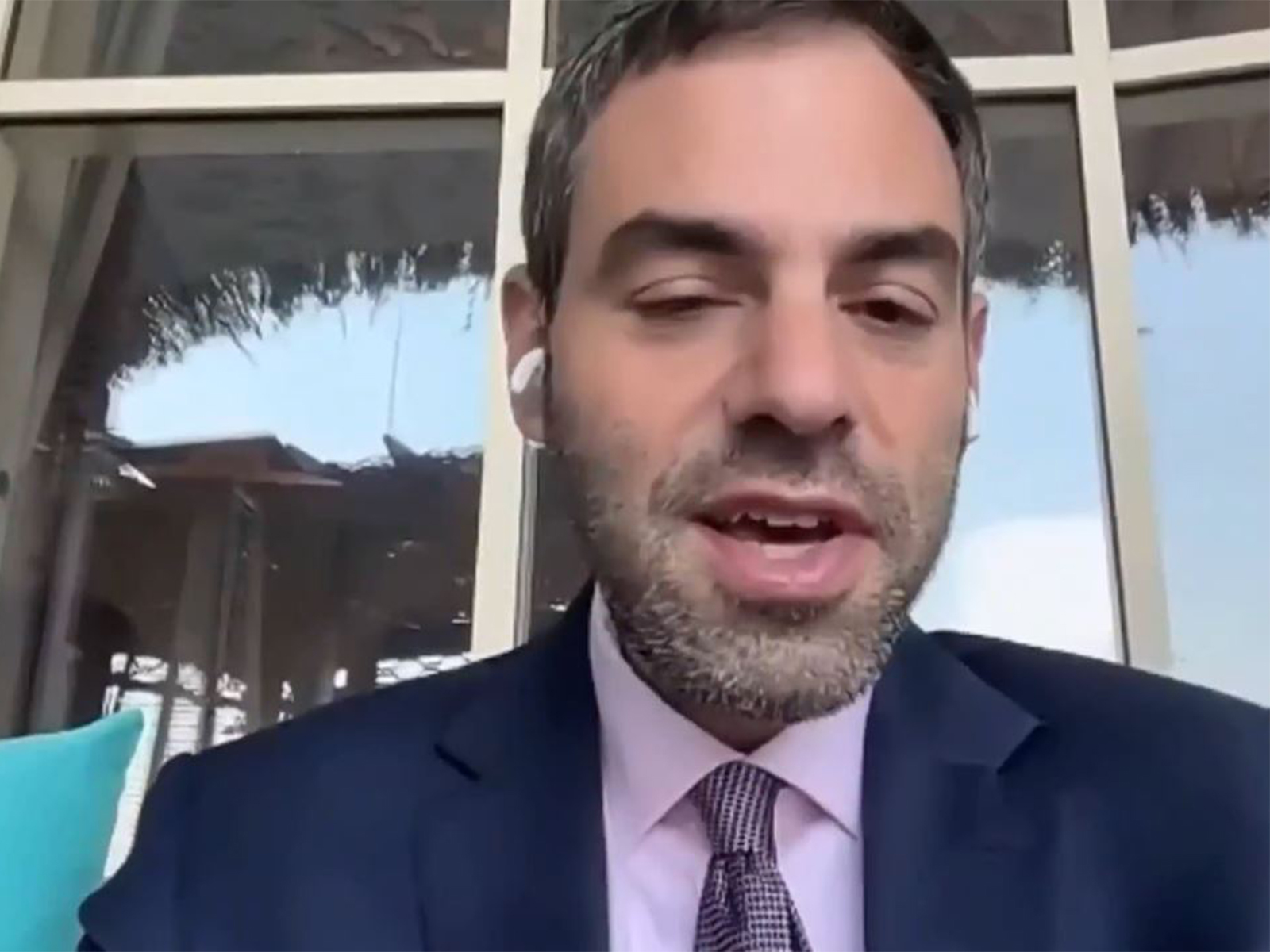
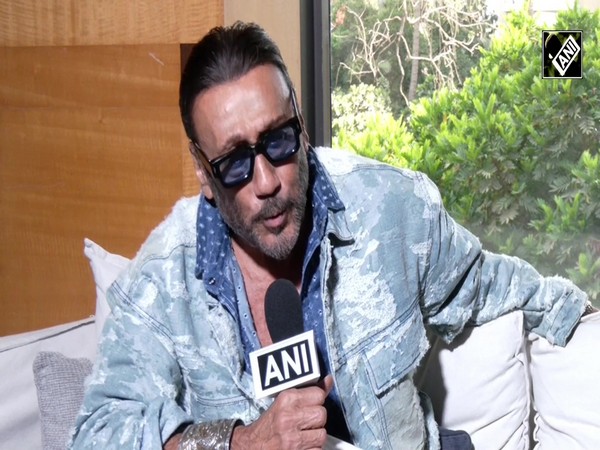
New Delhi [India], December 6 : South Asia analyst Michael Kugelman said that despite discomfort in Western capitals over Russian President Vladimir Putin's visit to India, the United States is expected to continue working closely with New Delhi, underscoring the resilience of the India-US partnership even amid geopolitical strain.
Responding to ANI's question on how the visit is being viewed in the US and what reactions may be expected from Western governments, Kugelman said the 23rd India-Russia summit highlighted the depth of both countries' relationship and the personal equation between their leaders.
He noted that these realities have long shaped global perceptions. "Just how special this relationship is between India and Russia, and also the personal relationship between the two leaders," he said, adding that the visible displays of welcoming Putin in New Delhi reinforced this message.
Kugelman stressed that attempts by some Western governments to isolate Russia were never likely to succeed. "Some in the West have sought to promote the isolation of Russia. It was never a goal that was going to work. Russia is much too powerful a global player for that to happen," he said.
He added that Russia continues to draw participation from many countries, citing recent international gatherings. "Russia was able to convene a large number of countries to come to Russia for a BRICS summit. Russia has friends, it has quite a few friends in the Global South and the Middle East, of course, in India."
According to Kugelman, this summit served as another reminder for the West that efforts to sideline Moscow will not alter the ties Russia maintains with major world powers. "If nothing else, this summit was the latest reminder to the West that Russia cannot be isolated and it can count. Two of the most critical global players are close to Russia, India, and, of course, to the consternation of India, China has also become increasingly close to Russia since the war in Ukraine," he said.
On how Western nations might interpret the outcome of the visit, Kugelman said their response could depend on whether they view India's engagement as constructive. "The West could look at this summit as something that could be seen as a way to move the needle forward with the peace process, if Modi was able to deliver an important message to Putin about needing to end the war," he said.
At the same time, he cautioned that another interpretation could emerge. "If the West goes in the other direction and looks at this as another case of India trying to strengthen Russia and to try to bolster Russia by offering more support and cooperation, that's not going to work out very well in terms of how the West perceives what India is doing."
However, he made it clear that such reactions are unlikely to derail India's ties with Western partners. "At the end of the day, this is not going to change India's close partnerships with countries in the West. I don't think that's going to be the case at all," he said.
Kugelman also underlined India's strategic priorities with Europe. "One of the big priorities, of course, moving forward for India's foreign policy is to get a trade deal with the EU. And of course, the Europeans have been very critical of Putin and his war in Ukraine and are unhappy with India's relationship with Russia. But the Europeans want to work with India. That's very clear."
He added that Washington continues to value its partnership with New Delhi. "Even in the US, for all we can talk about the tensions in US-India relations, we've discussed these before. I think that in Washington, there is a desire to continue to work with India, despite everything that's going on and despite this visit by Putin."
The Kugelman's remarks come a day after President Putin concluded his two-day state visit to India on Friday, which has been viewed as an essential step in strengthening the comprehensive strategic partnership between the two nations.