Including EC chapter in NCERT book is absolutely wrong: TMC's Saugata Roy
Jun 26, 2026
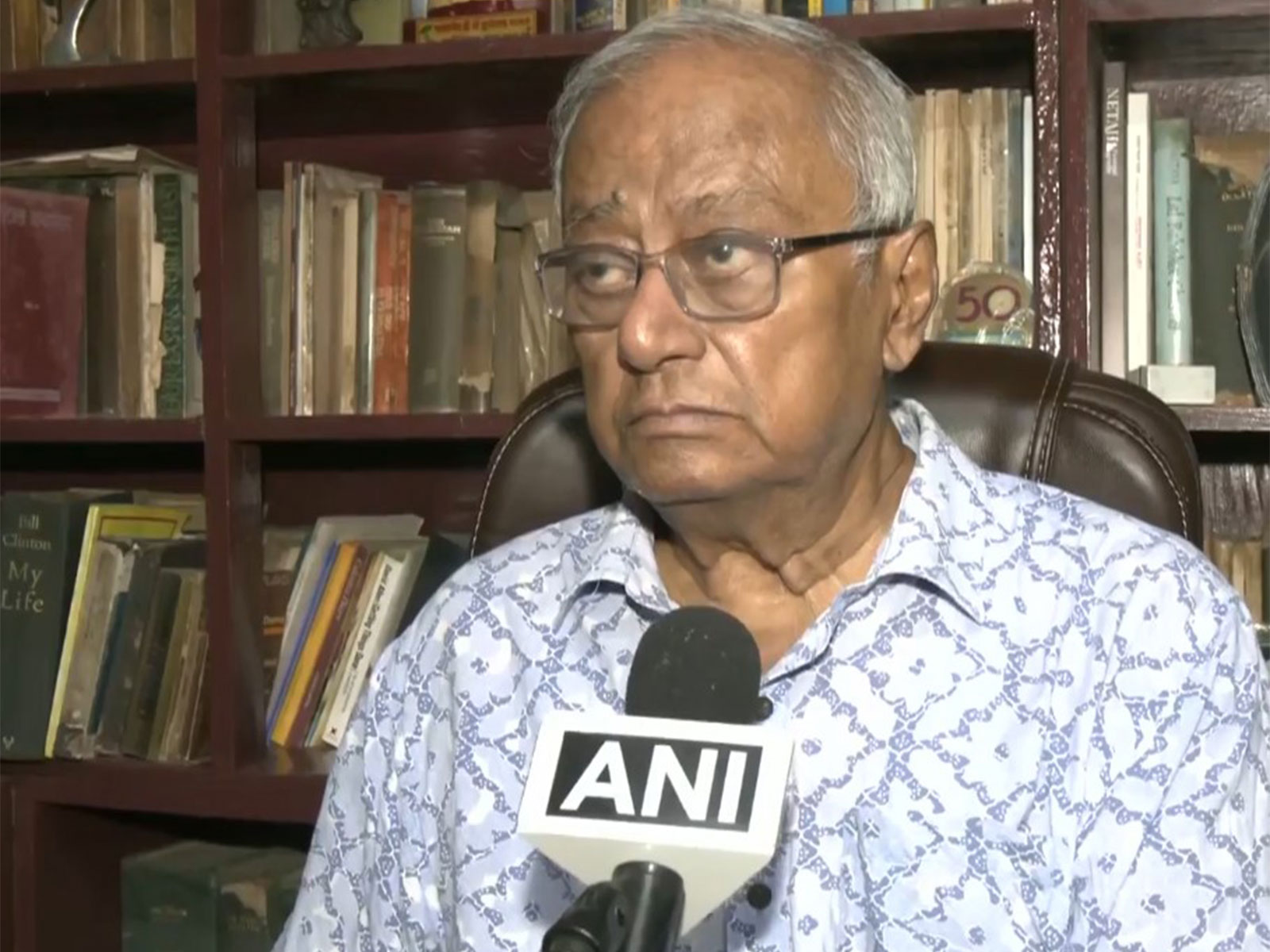
Kolkata (West Bengal) [India], June 26 : Trinamool Congress (TMC) MP Saugata Roy on Friday objected to the inclusion of a description related to the Election Commission in the NCERT Class 9 Social Science textbook, calling it absolutely wrong and unacceptable.
Speaking to ANI, Raut said, "This feels bad. We made many complaints about the functioning of the Election Commission. The way Special Intensive Revision (SIR) happened this time in West Bengal, 27 lakh voters were denied the right to vote. This was wrong... Including this in the NCERT book is absolutely wrong. We condemn this."
The remarks came after the National Council of Educational Research and Training (NCERT) had praised the Election Commission of India (ECI) in its new Class IX Social Science textbook, describing India's electoral exercise as "unparalleled" and saying the constitutional body tries to ensure elections are conducted "impartially" despite challenges such as "misinformation, fake news and intimidation".
The chapter, Elections, in the newly introduced Understanding Society: India and Beyond - Part 1 textbook, expected to reach students in the coming days, highlights the scale of India's electoral process and the Election Commission's role in conducting elections across the country.
"India's electoral exercise is unparalleled, and distinct from those in other parts of the world, with over 96.8 crore eligible voters spread across diverse regions and terrains. The ECI manages this exercise autonomously, ensuring free and fair elections nationwide," the book reads
"Despite numerous challenges to conducting free and fair elections, the ECI tries to ensure that elections at multiple levels are carried out impartially," it added.
While praising the Election Commission's functioning, the chapter also underlines the challenges involved in conducting elections in the world's largest democracy.
A dedicated section titled "Challenges to Free and Fair Elections" said, "In India, conducting elections for over 96.8 crore (in 2024) voters with thousands of polling stations and hundreds of political parties, spread across diverse regions and socio-economic realities, is a challenging task."
The book specifically identifies misinformation, fake news and intimidation as major challenges faced during elections.
The textbook also highlights the Election Commission's efforts to make elections more inclusive under the theme "No Voter to Be Left Behind."
It mentions Braille-enabled Electronic Voting Machines (EVMs), home voting for eligible senior citizens, and several digital platforms developed by the Commission.
Among the initiatives listed are the Saksham App for persons with disabilities, the Voter Helpline App, CVIGIL for reporting Model Code of Conduct violations, ETPBS for service voters, Suvidha for candidates, ERONET, and Sugam.
Students are also asked to identify reforms introduced by the Election Commission for persons with disabilities, service voters, senior citizens, prisoners and those under preventive detention.
Students are also asked to study coalition politics by identifying the alliances that won the Lok Sabha elections in 1977, 1999, 2004, 2009, 2014, 2019 and 2024.