India-EU FTA emerges as game-changer for textile manufacturing and exports
Jan 28, 2026
New Delhi [India], January 28 : The India-European Union Free Trade Agreement (FTA) has sparked strong optimism across India's textile sector, particularly in major manufacturing hubs such as Surat, where industry leaders view the pact as a long-awaited catalyst for modernisation, cost efficiency, and export-led growth.
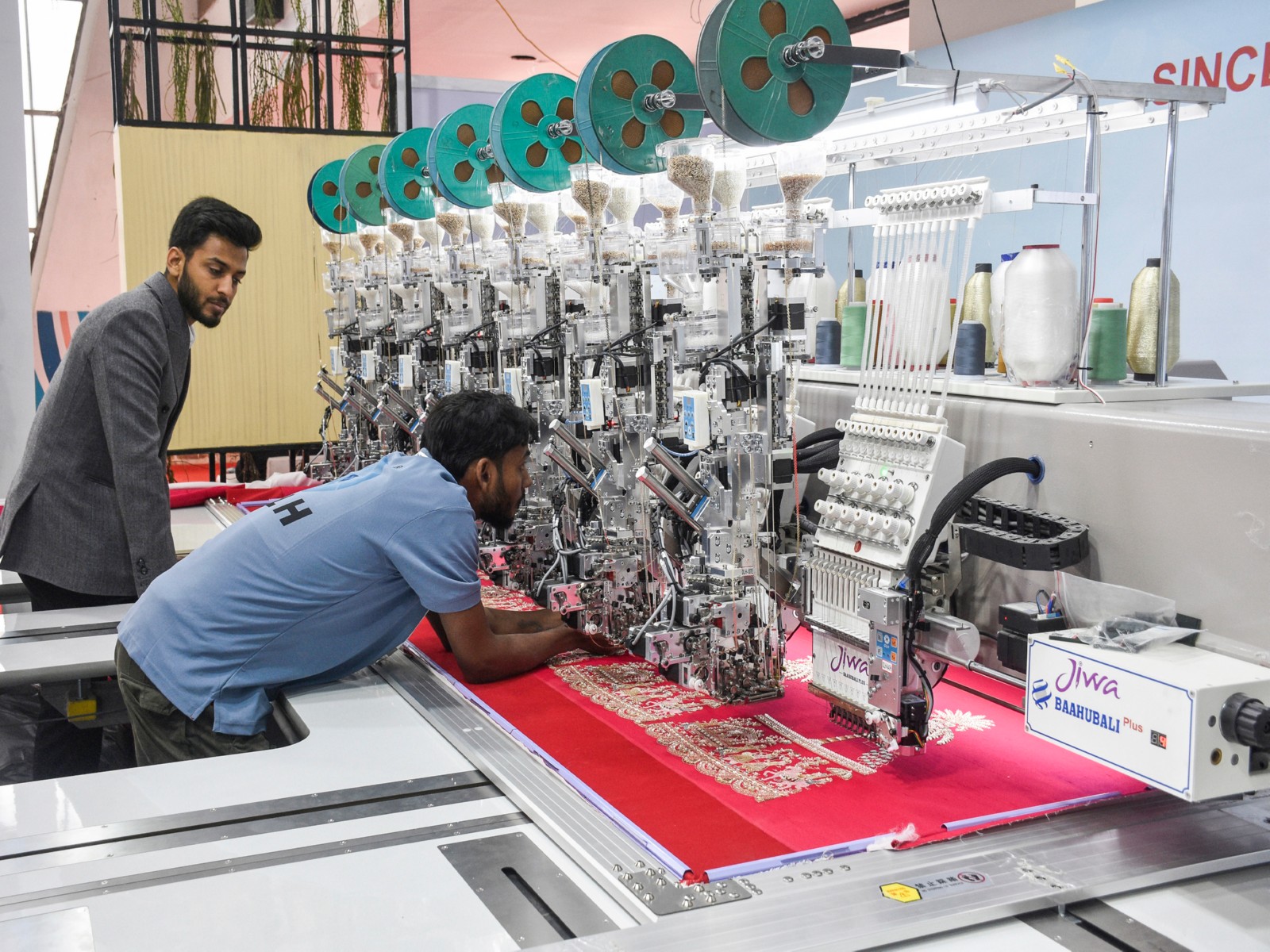
For decades, Indian textile manufacturers have grappled with high machinery costs and limited access to advanced technology, factors that restricted their ability to compete in premium global markets. The new FTA is now seen as a strategic opening that connects Indian producers directly with European machinery manufacturers, enabling a shift toward higher production standards.
Ravi Sahani, a prominent textile businessman from Surat, welcomed the agreement and highlighted its significance for competitiveness and exports. "I welcome the move as it will benefit the business. The machinery from Europe that will come will help us manufacture clothes to export to other countries. And our clothes will go to 27 EU countries. Earlier, we used to purchase machinery from China; now we have Europe to purchase the machinery, and we can take advantage of that," said Sahani.
The positive sentiment extends to the saree and weaving segments, which have long struggled with tariff-related pressures that limited overseas demand. Krishan Aroda, who operates in the saree business, noted that the deal has already changed business outlooks across the sector.
"The India-EU deal that has happened has made Indian businessmen very happy, and going forward, a growth in business activities is expected. The tariff impacted our business, but with this deal, business will increase. That is what is expected," Aroda stated.
Beyond trade access, industry stakeholders believe the agreement will help improve overall fabric quality and production processes. Santosh Sharma, another textile businessman, underlined how lower-cost European machinery could help bridge long-standing gaps in export readiness.
"Under Modi's regime, the country is growing. If I talk about weaving, the process improved, but the process standard was not very good, and the fabric was not up to the mark for exports because of high product costs due to high machinery costs. But with this deal, we can expect to raise our standards. We can expect good quality manufacturing due to less costly machines, and this will ultimately help us grow in the export sector," Sharma explained.
With access to a European consumer base of more than 450 million people, the textile industry now sees the FTA as more than a trade agreement; it is being viewed as a structural reset that could reposition India as a reliable supplier of high-quality textiles in global value chains.