India-EU FTA most forward-looking, wide-ranging concession package for India so far: EY report
Jan 29, 2026
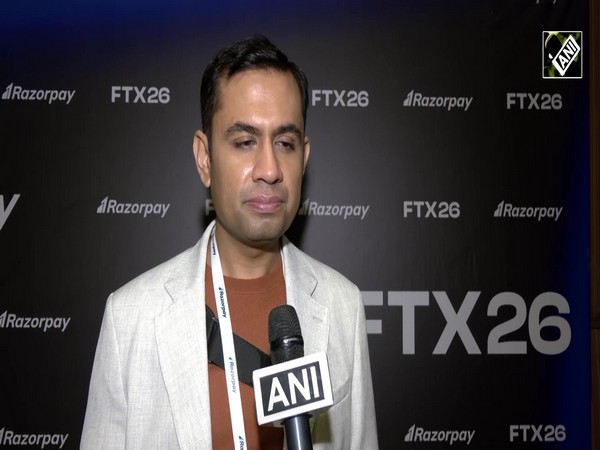
New Delhi [India], January 29 : The India-European Union Free Trade Agreement (FTA) represents one of the most forward-looking and wide-ranging concession packages India has negotiated so far, highlighted a report by EY (Ernst & Young).
According to the report, the India-EU FTA truly represents an agreement between two economic giants.
It stated "The India-EU FTA represents one of the most forward-looking and wide-ranging concession packages India has negotiated this far".
The report noted that the agreement has the potential to significantly impact several key sectors, including automobiles, defence, aerospace, textiles and information technology.
In the automobile sector, the FTA proposes a phased reduction of import duties on completely built units (CBUs) from around 110 per cent to approximately 10 per cent, with an annual quota of 250,000 vehicles.
EY said this move may encourage greater competition and innovation in the Indian auto sector, benefiting consumers through more choices and potentially lower prices.
Additionally, lower import duties on completely knocked down (CKD) units, at around 15 per cent, are expected to support continued investments by European, Japanese and Korean manufacturers in local assembly operations. This is likely to strengthen domestic manufacturing, generate employment and help maintain price stability for consumers.
On strategic defence integration and industrial collaboration, the report highlighted the Security and Defence Partnership framework under the agreement.
EY said the framework lays the foundation for deeper industrial collaboration between Indian and European aerospace and defence firms, enabling technology exchange and improving interoperability.
Lower tariffs are also expected to improve the price competitiveness of EU aerospace exports to India, while supporting Indian original equipment manufacturers (OEMs) in building integrated supply chains with European partners.
The report added that the broader economic opening, along with defence cooperation, could accelerate localisation of critical aerospace technologies, such as complex radar systems or structural assemblies, through foreign direct investment and joint ventures.
In the textile sector, the agreement provides zero duty access to the EU market from Day 1. EY noted that this restores India's competitiveness, fully neutralising the impact of the earlier withdrawal of the Generalized System of Preferences (GSP). This will allow Indian textile products to enter the EU market at significantly more competitive prices.
For the IT sector, the report said that seamless movement of professionals and workers across EU countries may provide faster and easier access to new markets, particularly in the era of new AI technologies.
The agreement also creates a pathway for structured engagement on Social Security Agreements over the next five years, addressing a long-pending industry demand to reduce dual social security contributions. India already has Social Security Agreements with 12 EU countries, the report added.
The India-EU FTA was concluded on January 27, and it marked a watershed moment in India's global trade strategy. Both sides described this FTA as the "mother of all deals."
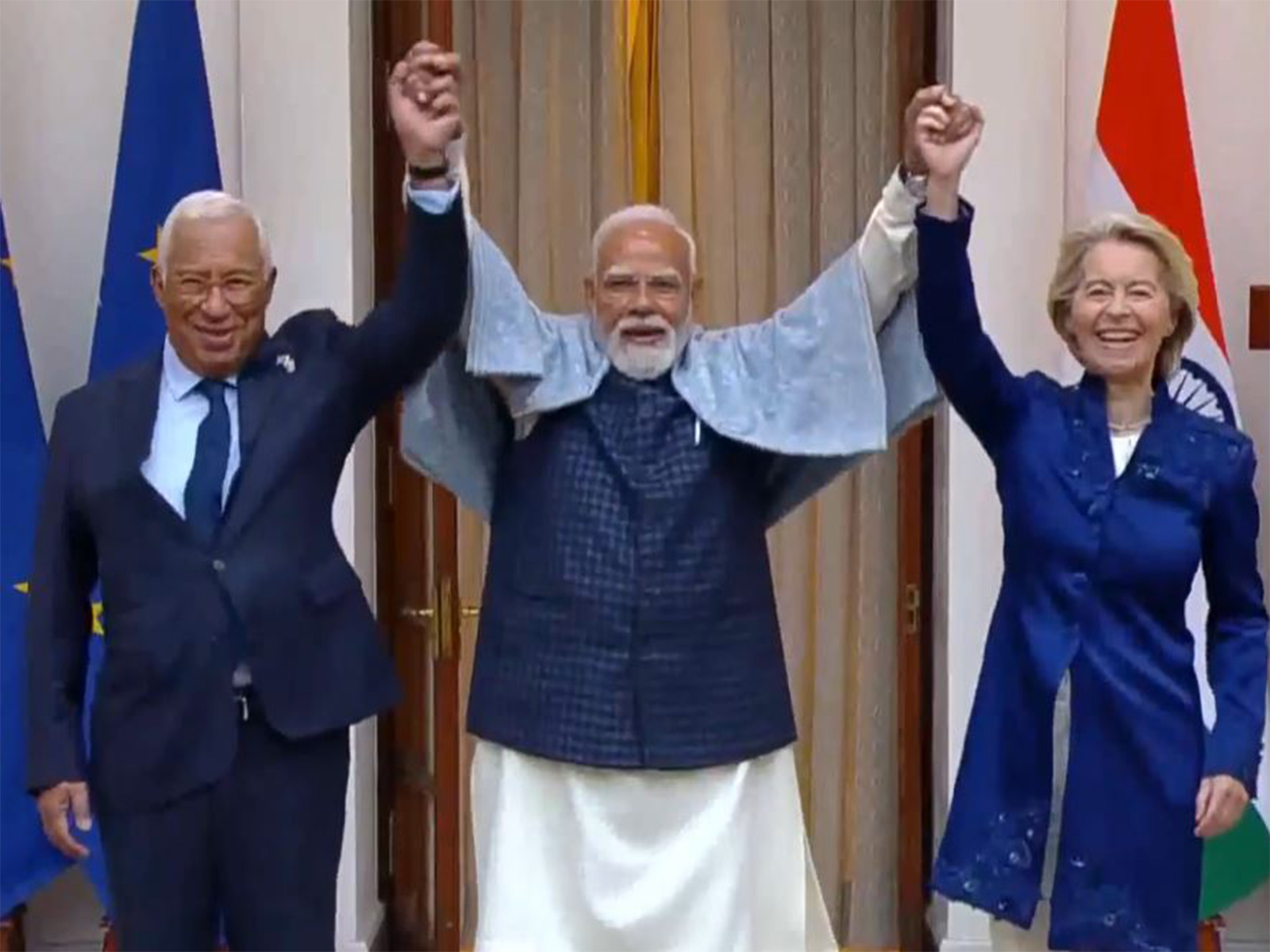
Prime Minister Narendra Modi, European Commission President Ursula von der Leyen and European Council President Antonio Costa jointly announced the conclusion of the India-European Union FTA at the 16th India-EU Summit, held during the visit of the European leaders to India.