India now in 'middle ground' after fresh US tariffs but any hike will erode its advantages: UBI Report
Feb 25, 2026
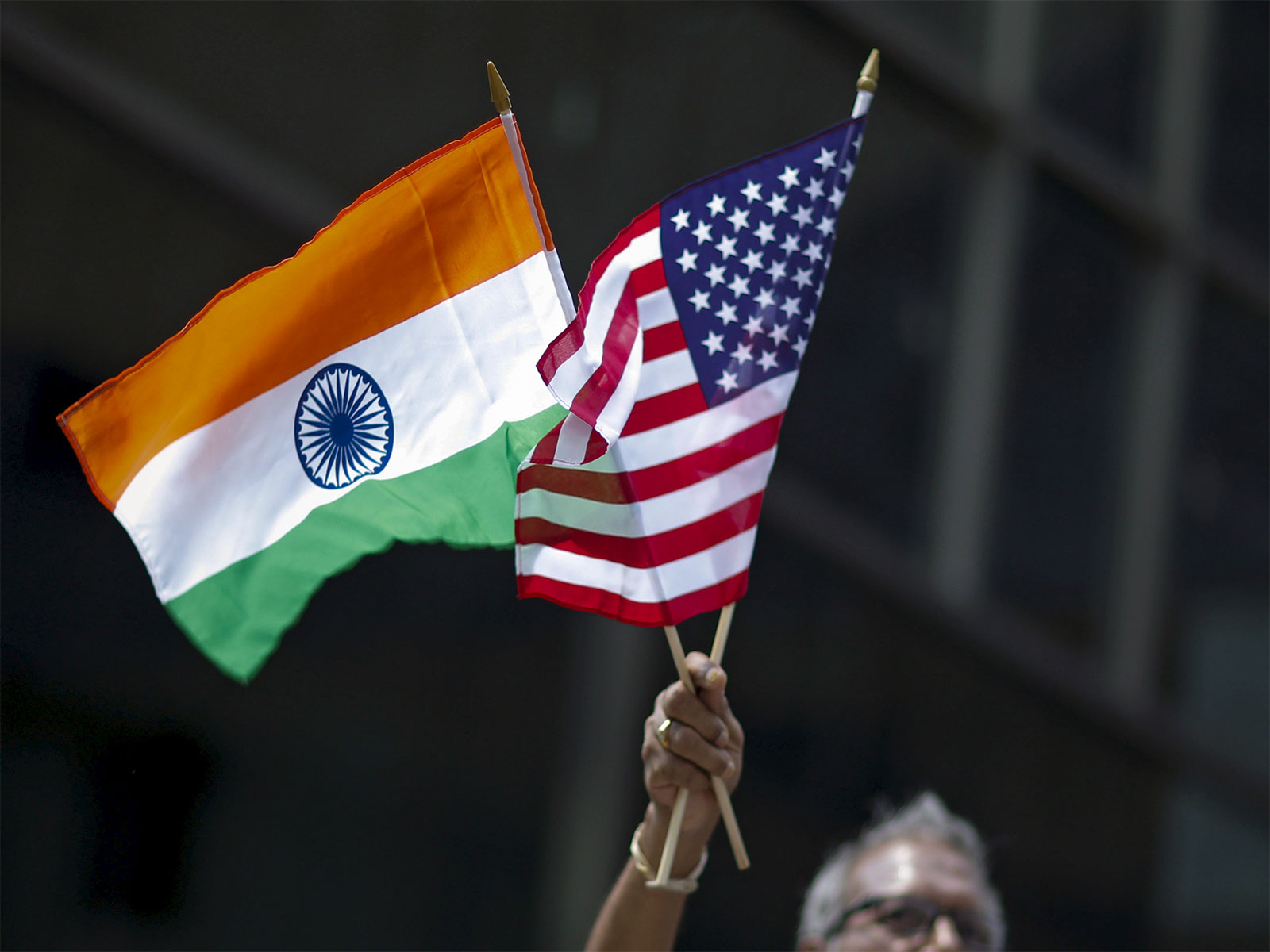
New Delhi [India], February 25 : India occupies a relative middle ground following the latest tariff developments by the United States, but any uniform tariff hike under Section 122 could increase its tariff exposure and erode some of the advantages gained through earlier negotiations, according to a report by Union Bank of India.
The report noted that countries which had previously negotiated bilateral trade agreements with the US may face some short-term disadvantages, while those without comprehensive agreements could be relatively better positioned in the current environment.
"Meanwhile the countries that negotiated bilateral trade deals with the U.S. appear slightly disadvantaged in the short term, whereas countries which have not yet concluded comprehensive agreements emerge as relatively better positioned," the report stated.
India, according to the report, has so far maintained a relatively balanced position compared to its Asian peers.
"India occupies a relative middle ground it was among the lowest-tariffed economies within its Asian peer group and largely sidestepped the most punitive reciprocal measures earlier. However, any uniform hike under Section 122 would lift its tariff exposure, eroding some of the relative advantages secured through prior negotiations," the report added.
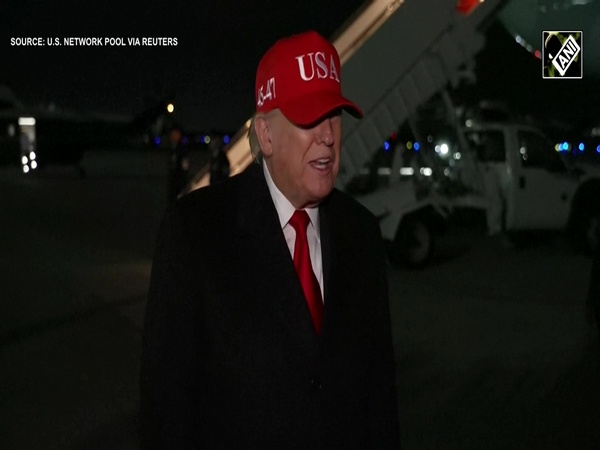
The developments come after the US Supreme Court struck down much of the tariffs imposed by President Donald Trump, prompting a fresh move by the US administration.
Following the ruling, President Trump moved to reimpose tariffs under Section 122, initially signaling a 10 per cent across-the-board levy on all countries, before indicating that the rate would be increased to 15 per cent for a maximum period of 150 days.
The report highlighted that these tariff developments have also influenced global currency markets, particularly the US dollar and Treasury yields.
"In FX terms, that's a complicated cocktail: higher long yields in general can be USD-supportive through rate differentials, but deficit and term-premium concerns can also steepen the curve and soften the dollar if investors begin to price more fiscal risk into U.S. assets," the report said.
It further noted that yields on US Treasuries fell as investors assessed the impact of the latest tariff announcements following the Supreme Court ruling.
The report added that continued uncertainty around US trade policy could weigh on the US dollar going forward.
"With U.S. trade policy uncertainty likely to persist, this adds another reason for negative dollar bias this year. Structurally, ongoing Fed easing expectations and lingering concerns over fiscal discipline and long-end yield control reinforce a softer medium-term outlook for the dollar," the report stated.
So the report highlighted that while India remains relatively better positioned compared to some peers, fresh tariff actions under Section 122 could increase its exposure and reduce some of the earlier advantages.