India Pitches Built Environment as the Next Global Investment Frontier at Davos 2026: The Urban Vision
Feb 07, 2026
PRNewswire
Davos [Switzerland], February 7: As the curtains draw on the World Economic Forum (WEF) 2026, a significant shift in India's global pitch has emerged. Moving beyond traditional growth forecasts, the Indian delegation championed the country's "built environment" as the world's largest greenfield investment opportunity, signalling that the future of global capital is inextricably linked to the evolution of Indian cities.
With nearly 500 million Indians already urbanized and another 100 million expected by 2036, India's urban centers are projected to generate 70% of the national GDP. Unlike mature western economies where urban patterns are "locked in," India is in a unique position to write a new system for the $380 trillion global real estate asset class. This makes India's built environment the largest greenfield investment opportunity in the world today.
The message at Davos was clear: urban development is no longer a peripheral issue but a core pillar of climate resilience, energy security, and economic productivity.
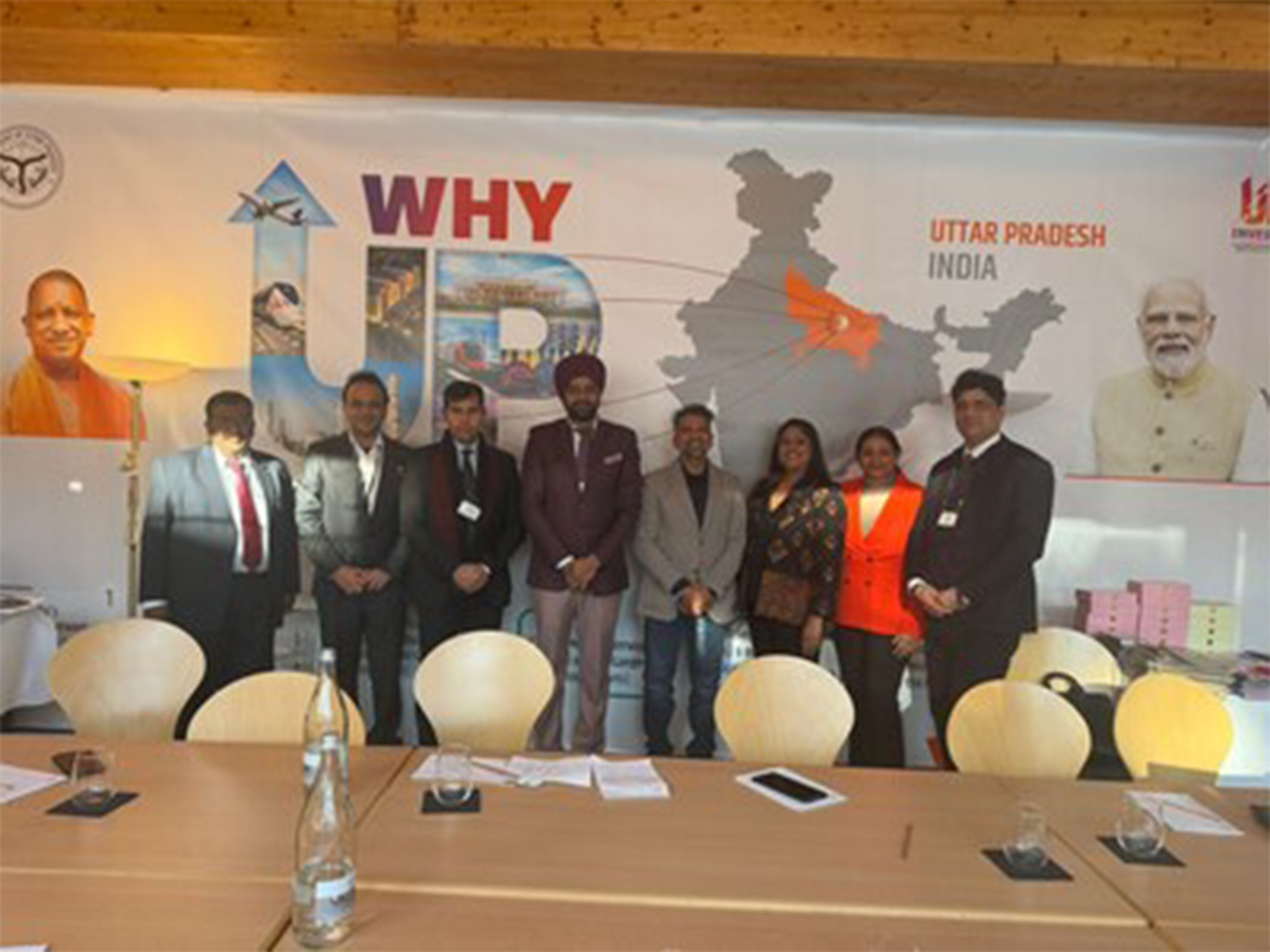
Under the India Pavilion, the states of Andhra Pradesh, Assam, Gujarat, Jharkhand, Karnataka, Kerala, Madhya Pradesh, Maharashtra, Telangana, and Uttar Pradesh presented diverse investment opportunities shaped by their sectoral strengths. What linked these pitches was not ideology, but geography: ports, corridors, industrial clusters, data centres, and urban districts that ultimately become land use, buildings, and infrastructure.
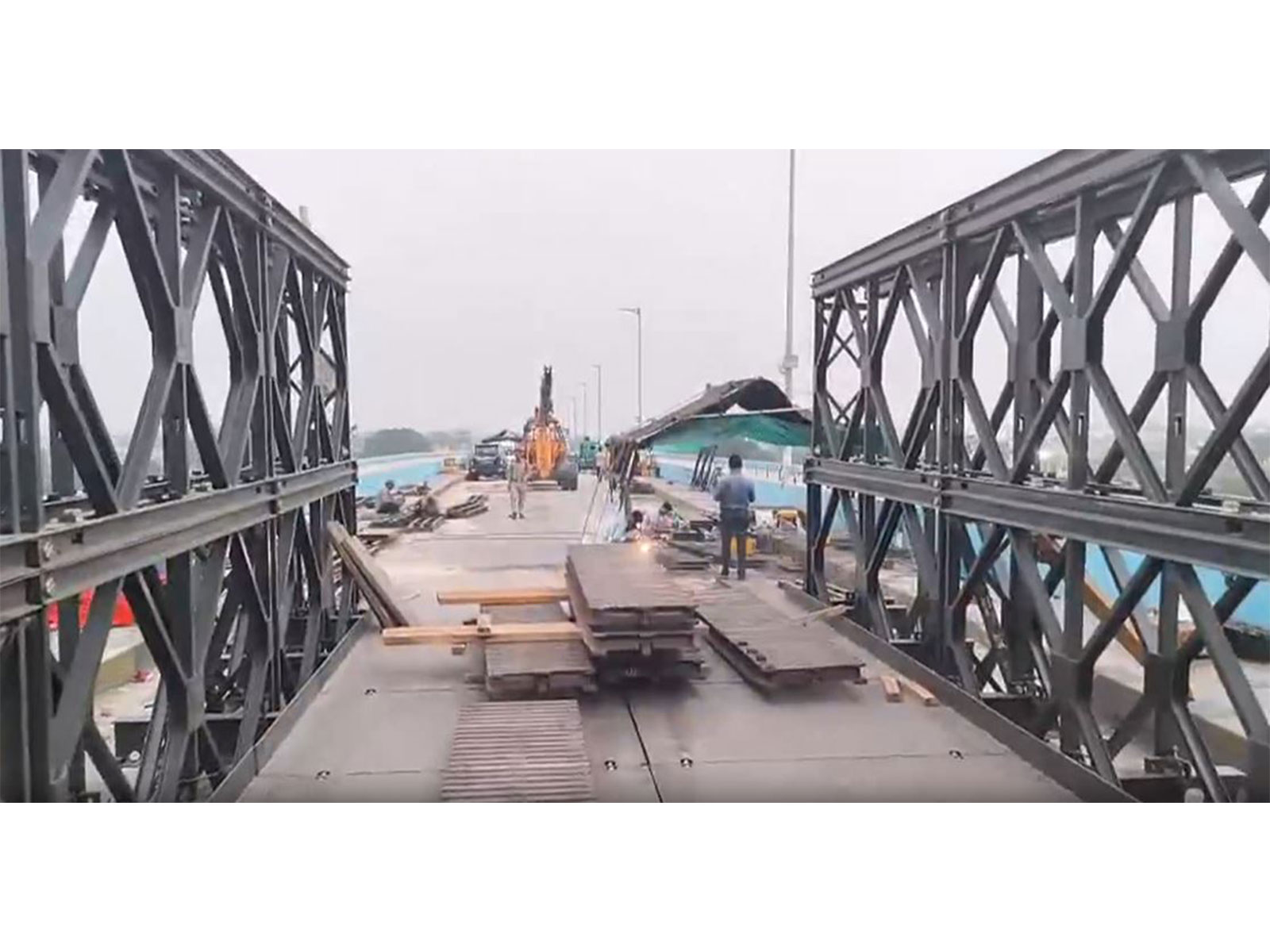
What makes this moment credible is the infrastructure transformation already underway. Over the past decade, India has shifted decisively from planning to execution. High-speed corridors, expanding metro networks, bus rapid transit systems, elevated roads, and non motarized mobility projects are reshaping cities. Waterways and coastal shipping routes are improving freight efficiency. Nationally, new expressways and modernised highways are compressing travel times and integrating regional markets.
Representing the industry, the Confederation of Real Estate Developers' Associations of India (CREDAI) emphasized that India's rapid infrastructure expansion including the world's third-largest metro network is redrawing the geography of investment.
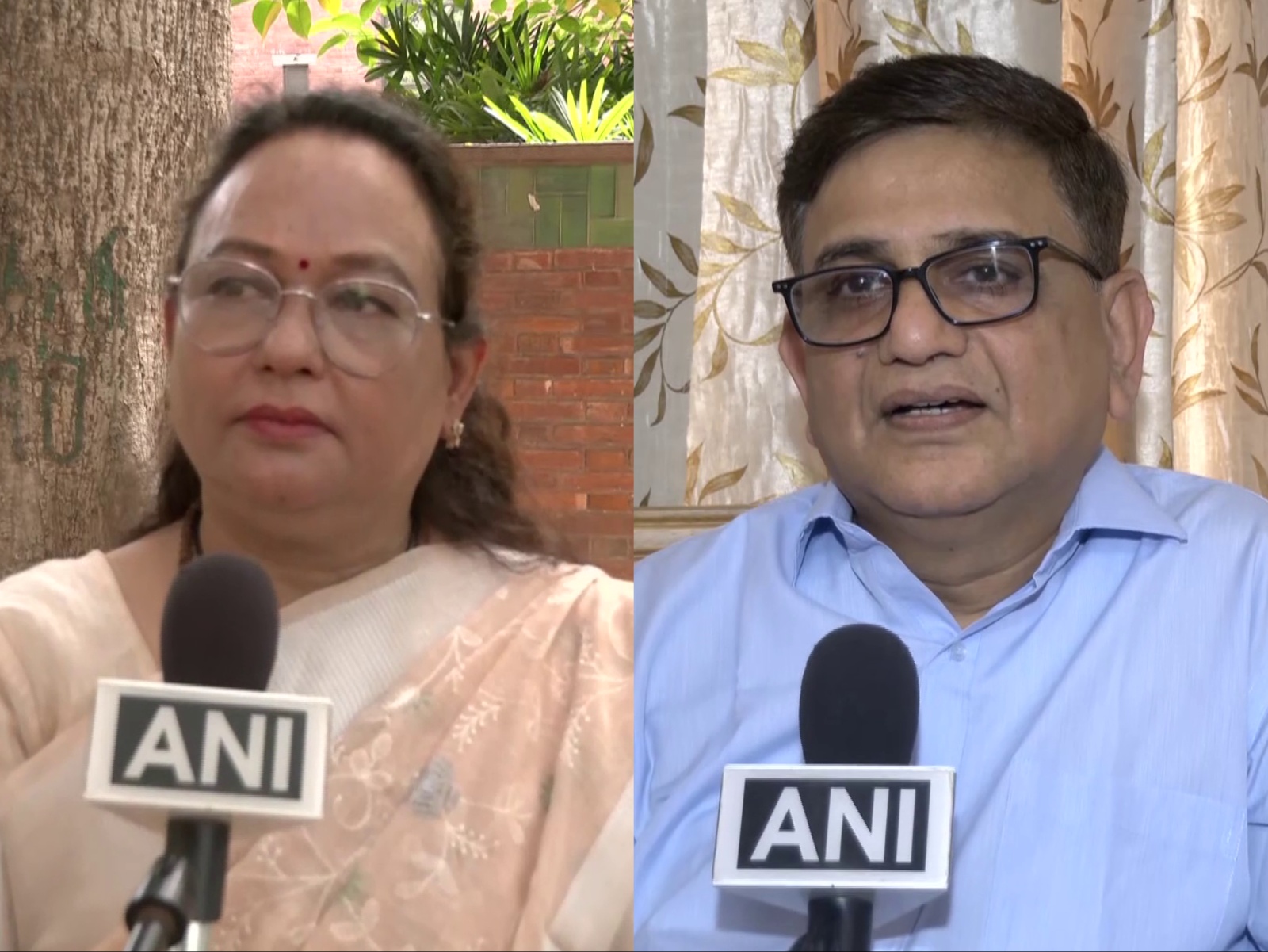
Dipakbhai B. Patel, National Convenor, CREDAI, said that India's infrastructure investments are changing how cities grow. "Real estate today is being built on connectivity, sustainability, and long-term value. Our focus must be on creating integrated, resilient urban ecosystems," he noted. He added that developers are increasingly focused on building complete livable urban ecosystems rather than isolated projects.
Building on this, Hiren Parmar, Convenor - International Forums, CREDAI, said, "Global investors are looking at India's cities not just for scale, but for long-term performance. Strong infrastructure and governance are positioning Indian urban regions as serious destinations for global capital." According to him, consistent governance and visible infrastructure delivery are becoming key factors in attracting international capital.
The Leapfrog Opportunity:
The discussion focused heavily on "leapfrogging": the idea that India can bypass the car-dependent, high-emission mistakes of 20th-century urbanism. By integrating transit-oriented development (TOD) similar to Tokyo and nature-based flood management seen in Copenhagen, Indian states like Maharashtra and Karnataka are pitching innovation districts that prioritizewalkability and climate-resilience.
Prathima Manohar, Chair of The Urban Vision & Member, World Economic Forum Council on the Experience Economy, said, "India's urban future is a living contract between people and place. It is about shaping opportunity, dignity, and everyday life. Our cities will determine whether growth becomes enduring prosperity. Infrastructure, ultimately, is not just about assets, but about lives and livelihoods."
A decade of infrastructure investment, clean energy expansion, and rising institutional capital has reshaped Indian cities. Rapid metro growth across more than 15 cities and the development of industrial and logistics corridors have compressed travel times and unlocked suburban and peri-urban land value. At the same time, the built environment is becoming a hub for data centres, industrial parks, and logistics hubs integrating directly with India's expanding solar and wind grids. Institutional capital inflows of USD 6.5 to 8.9 billion annually, led by REITs, offices, logistics assets, and data centres, have strengthened market depth, while over 15 billion square feet of green-certified buildings reflect a sector-wide commitment to achieving Net Zero by 2047.
The next trillion dollars of growth will not be unlocked by declarations in the Alps, but by sustained investment in mobility, housing, energy, and public space. In the end, India's competitiveness will be measured less by what it announces to the world, and more by what its cities deliver on the ground.
For global investors, the question is no longer whether India will urbanise, but how and with whom they will participate in shaping the most important urban transformation of the 21st century.
About The Urban Vision:
The Urban Vision is a think-do tank on future of cities dedicated to building inclusive, resilient, and happy cities. It brings together policymakers, planners, entrepreneurs, artists, technologists, and citizens to reimagine how urban spaces can foster dignity, opportunity, and everyday well-being.
www.theurbanvision.com
(ADVERTORIAL DISCLAIMER: The above press release has been provided by PRNewswire. ANI will not be responsible in any way for the content of the same)