Indian Textile companies achieve major water-management milestone, yet waste Intensity rises: ICRA
Dec 11, 2025
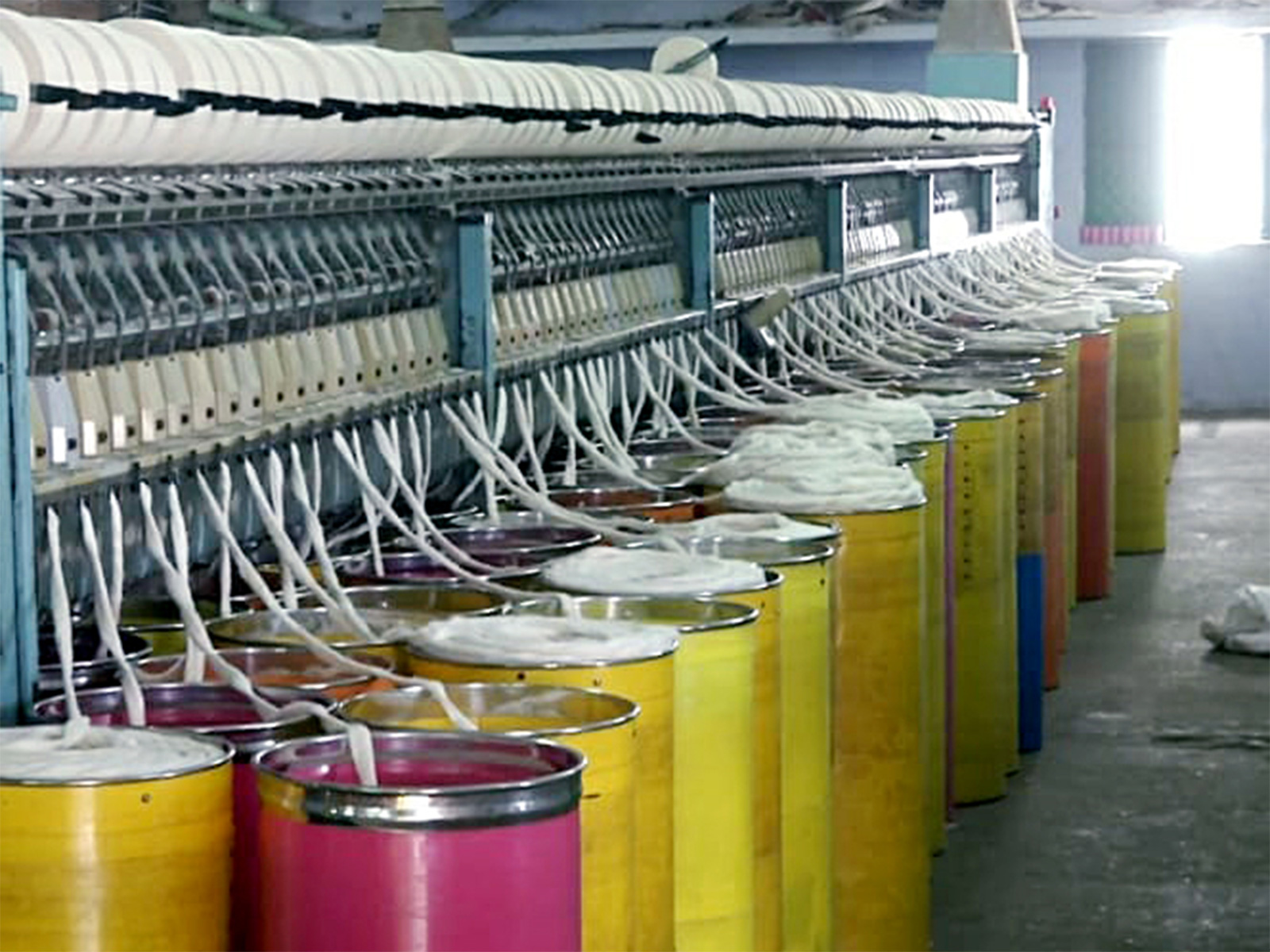
New Delhi [India], December 11 : Close to 74 per cent of India's textile companies have adopted Zero Liquid Discharge (ZLD) processes in FY2025, marking a major shift towards sustainable water practices in one of the country's most resource-intensive sectors, according to the latest ICRA ESG Ratings report.
The report highlights that the industry's sustainability journey is gaining traction amid increasing pressure to align with global and domestic environmental, social and governance (ESG) standards. The textile sector, which consumes large amounts of water and energy, especially in the yarn, fabric and integrated segments, is now focusing on improving resource efficiency and circularity in operations.
ICRA research evaluated 191 listed companies across three key segments: Apparel, Yarn & Fabric, and Integrated, to assess progress in water management, waste recycling, and renewable energy use between FY2023 and FY2025.
The findings show that while water management practices are strengthening through wider ZLD adoption, waste generation intensity rose by around 19 per cent in FY2025. This increase, the report noted, can partly be attributed to improved disclosure practices. However, the waste recycling rate improved from 77 per cent in FY2023 to 80 per cent in FY2025, indicating gradual progress in resource circularity.
More than half of integrated companies (57 per cent) have formal ESG committees, and 71 per cent have set clear targets to reduce emissions. In comparison, the apparel and yarn and fabric segments are taking smaller steps toward building such frameworks. According to ICRA, this growing focus on governance will be critical for global alignment and strengthening climate accountability across the sector.
Despite this, renewable energy sources form only about 8 per cent of the industry's total energy mix in FY2025. Most of this comes from solar and biomass-based systems that offset thermal energy demand in dyeing and finishing processes. Moreover, just 21 per cent of companies disclosed their Scope 3 emissions, reflecting the early stage of value chain inclusion efforts.
As global initiatives such as the European Green Deal and the Carbon Border Adjustment Mechanism (CBAM) intensify scrutiny of carbon-intensive industries, Indian textile players are being urged to accelerate their decarbonisation efforts.
Sheetal Sharad, Chief Ratings Officer, ICRA ESG Ratings Limited, said, "The textile sector's sustainability transition is underway, but the pace must quicken. While some practices were adopted traditionally through compliance norms, implementing best practices across operations is expected to improve long-term resource efficiency and business resilience."
She added that scaling sustainable practices would require investment in advanced technologies, including low-liquor-ratio dyeing, hybrid RO systems, and renewable energy solutions.