"India's engagement in Quad makes it unique": Ex-Australian PM Scott Morrison
Aug 13, 2026
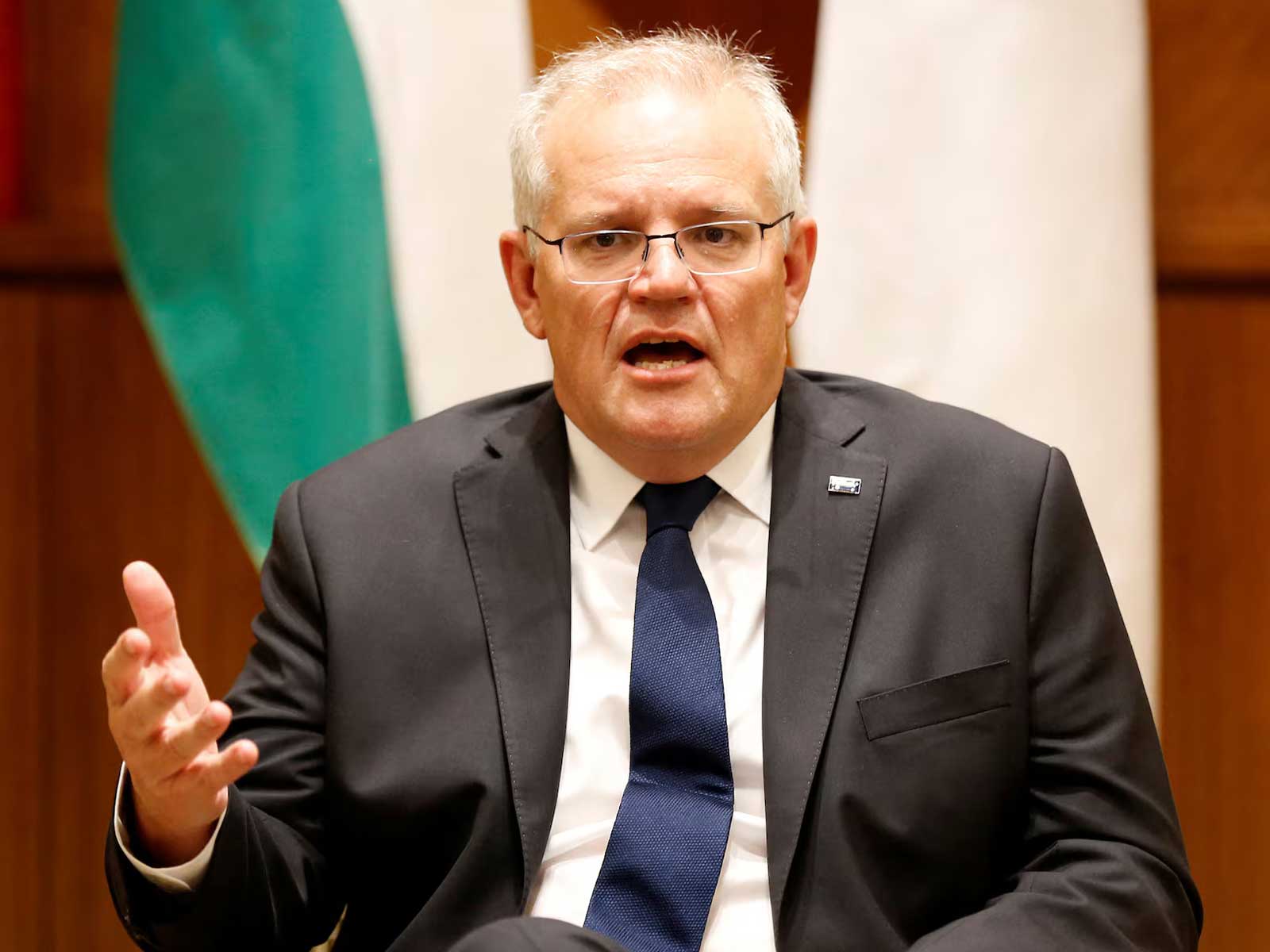
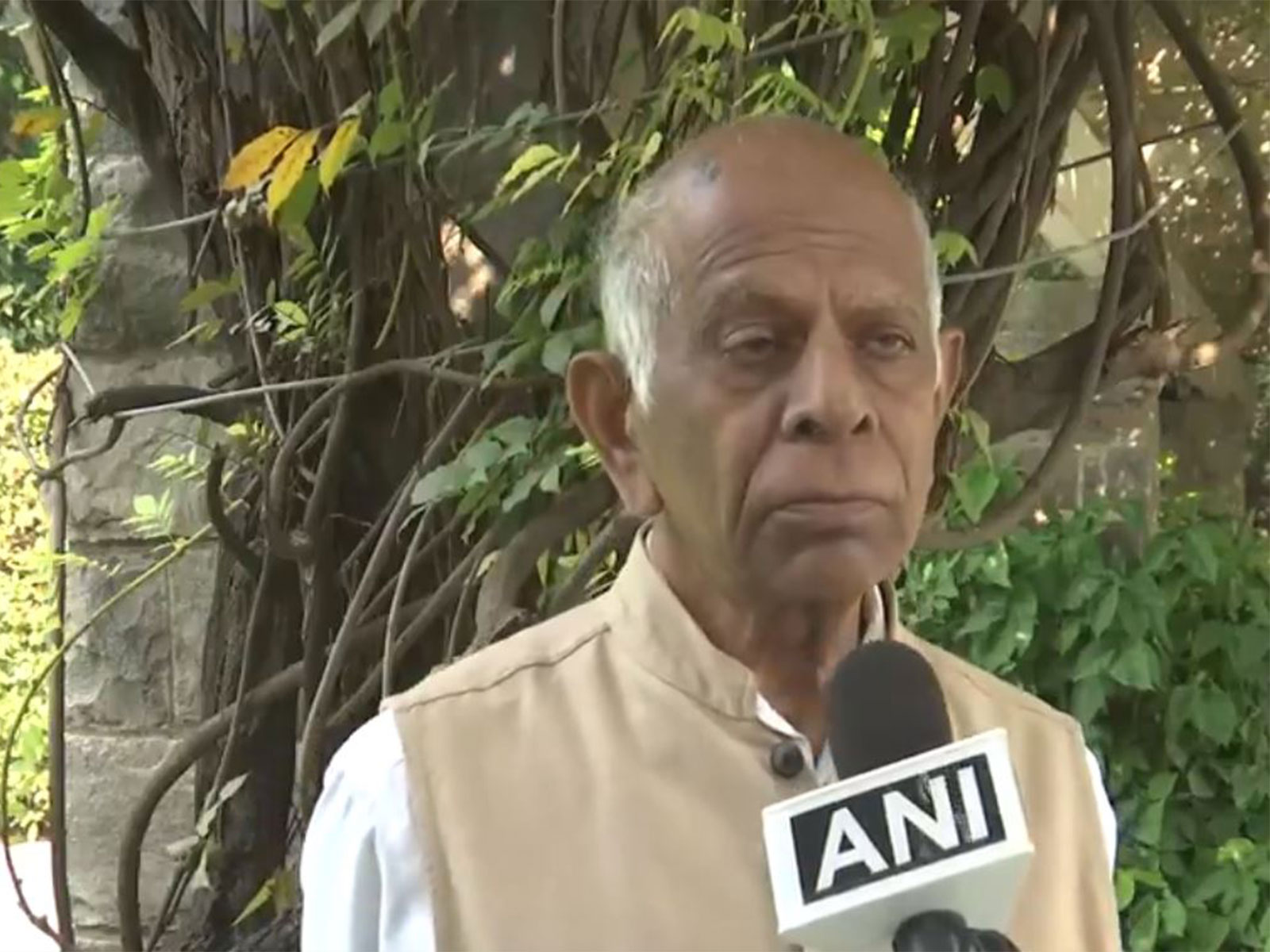
Sydney [Australia], August 13 : Former Australian Prime Minister Scott Morrison has asserted that India's participation is the defining factor that makes the Quad unique, describing New Delhi as an indispensable anchor for the future strategic balance across the Indo-Pacific.
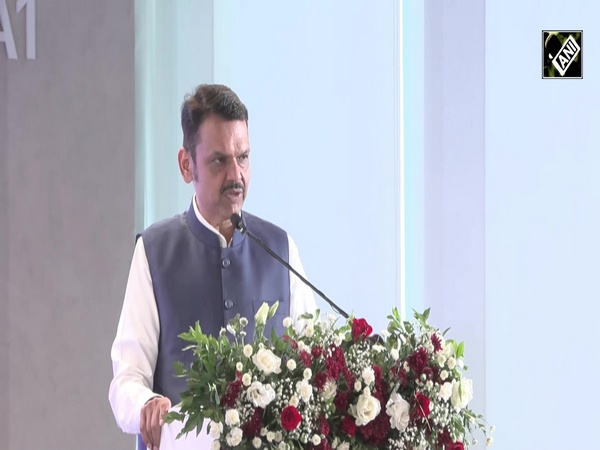
Speaking online as part of the Indo-Mediterranean Dialogues, the former Australian Prime Minister highlighted the evolving security landscape and the growing strategic weight of India within regional alliances.
Morrison emphasised that India gives the grouping its distinct character, underscoring New Delhi's central position in shaping its trajectory.
"India's engagement in the Quad is what makes it so unique. I can't underscore that enough," Morrison said, adding, "India's continued engagement with the Quad is critical to its success."
Morrison, who played a key role during his tenure in elevating the Quad to leaders' level, rejected notions that the grouping's strategic importance had waned. Pointing to current momentum, he referenced US Secretary of State Marco Rubio's focus on maritime security, critical minerals, and rare earths as concrete evidence of sustained cooperation.
"The security element of the Quad was reinforced by Secretary Rubio literally the day after the administration was sworn in," he noted.
Advocating for a broader strategic reach for the alliance, Morrison called for greater emphasis on the western theatre of the region.
"I'm a keen advocate for more Indo in the Indo-Pacific when it comes to the agenda of the Quad," he said.
Reflecting on his interactions with Indian leadership, Morrison recalled meeting Prime Minister Narendra Modi during the Indian leader's visit to Australia, noting that they held detailed discussions on regional developments.
"He remains very alive to those issues," Morrison said of Prime Minister Modi.
The former Prime Minister stressed that the Quad should maintain a broad focus, balancing defence priorities with economic and development partnerships.
"The Quad is a minilateral, and I think a potentially very powerful one, if it sticks to its focus and has a strong agenda which embraces both security and economics, as well as humanitarian issues," Morrison stated.
He further observed that India's increasing role within the Quad aligns naturally with its tradition of foreign policy autonomy.
"India is quite unapologetic about realising its potential and being national interest driven," Morrison said, adding that Prime Minister Modi is "quite unapologetic" regarding New Delhi's strategic flexibility.
"He'll pick up the phone and he'll talk to whoever he wants to. He'll go to whichever country he needs to, to advance India's national interest," he said.
Morrison also praised External Affairs Minister S Jaishankar as an "able lieutenant" who has been "incredibly industrious" in advancing India's global diplomatic engagements.
Highlighting the global shift in strategic gravity, Morrison remarked that "India in particular" is taking on "a much more important role within geopolitics and certainly within the Indo-Pacific."
The Quad framework itself comprises four member states: India, Australia, Japan, and the United States, dedicated to operating as a force for global good while promoting an open, free, and inclusive Indo-Pacific that remains prosperous and resilient.
Translating this strategic framework into action, foreign ministers of the Quad grouping reiterated their dedication to promoting a free and open Indo-Pacific while emphasising their resolute support for ASEAN unity and centrality during their recent summit in the Philippines.
External Affairs Minister (EAM) S Jaishankar, Australian Foreign Minister Penny Wong, Japanese Foreign Minister Toshimitsu Motegi, and US Secretary of State Marco Rubio convened for the Quad Foreign Ministers Meeting in Manila last month.
During those high-level talks, the four leaders underscored the alliance's firm resolve to foster regional economic growth and deepen collaboration across ASEAN partner states.
"As ASEAN Comprehensive Strategic Partners, we, the Secretary of State of the United States and the Foreign Ministers of Australia, India, and Japan, met today in Manila to reaffirm our commitment to strengthening a free and open Indo-Pacific and our unwavering support for ASEAN unity and centrality. We are deeply invested in the region's success and in cooperating with ASEAN and its member states," the joint declaration released after the Quad Foreign Ministers Meeting in Manila stated.
Building on that mandate, the diplomatic representatives addressed pressing regional concerns and explored mechanisms to reinforce backing for the "practical implementation" of the ASEAN Outlook on the Indo-Pacific (AOIP). Their talks centred on "shared priorities of maritime and transnational security, economic prosperity and security, critical and emerging technologies, and humanitarian assistance and emergency response."
Reaffirming the underlying principle driving both Morrison's remarks and recent diplomatic engagements, the joint text highlighted that the member nations stand unified in their firm conviction that "peace and stability in the Indo-Pacific maritime domain underpin the security and prosperity of the region."