India's real estate enters strong investment driven phase, expects USD 12-14 bn investments in FY26: CBRE
Dec 17, 2025
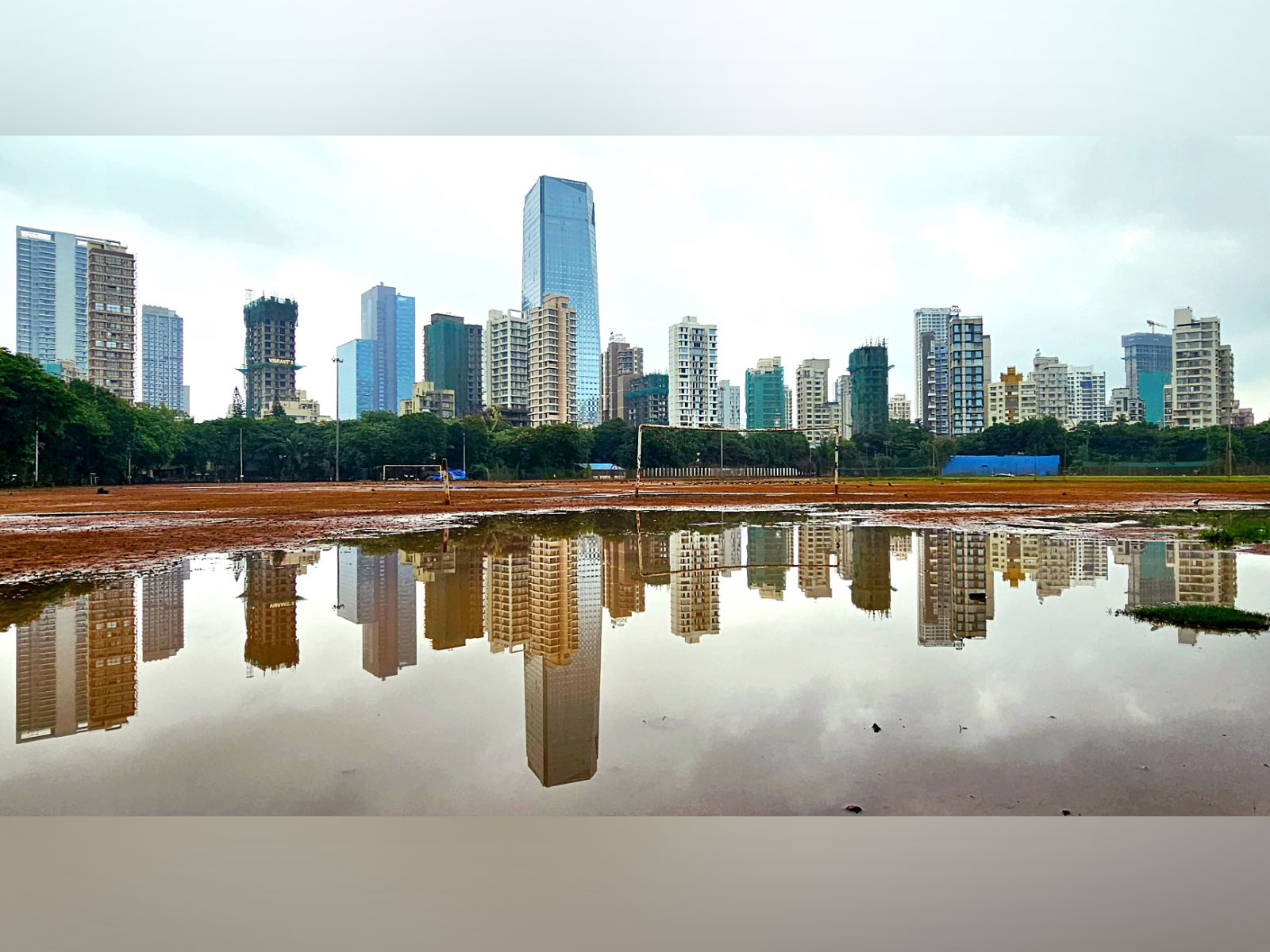
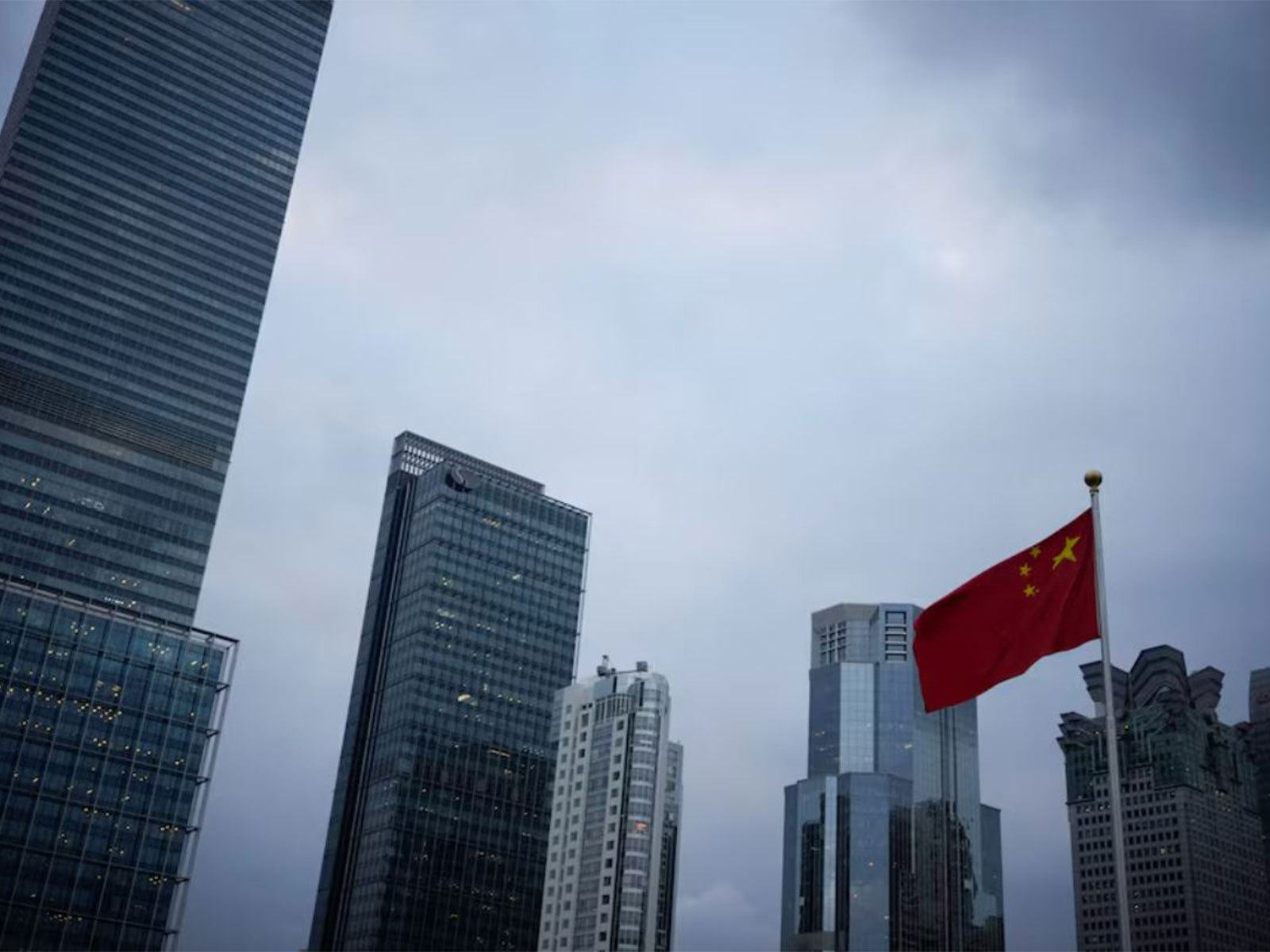
New Delhi [India], December 17 : India's real estate market is entering a structurally stronger and more investment-driven phase, with equity capital inflows touching record levels and demand broadening across asset classes and geographies, according to a report by real estate services and investment firm CBRE.
Equity capital inflows into India's real estate sector rose 14 per cent year-on-year to a record USD 10.2 billion during the first nine months of 2025. Investments are expected to reach USD 12-14 billion by the end of the year, marking the highest annual inflows ever recorded for the sector, the report noted
Commenting on the outlook, Anshuman Magazine, Chairman and CEO - India, South-East Asia, Middle East & Africa, CBRE, said that the coming decade will be defined by future-ready development models. "The next decade would be led by those who design real estate as interoperable with plug-and-play capabilities for transit, logistics, digital infrastructure, and services. As a pivotal force driving India's economic growth, the industry is set to play a transformative role in shaping the nation's future and unlocking new avenues of progress," he said
The CBRE study highlighted that India's real estate market is now anchored by strong structural fundamentals rather than cyclical trends. Sustained investments, rapid digitisation and access to larger capital pools have created a healthier balance between supply quality and volume across office, retail, industrial and residential segments
The office sector continued its post-pandemic upswing in 2025, with gross leasing expected to exceed 80 million square feet for the full year. Leasing activity during January-September 2025 stood at 60 million square feet, the highest ever recorded for the first nine months of any year. Global Capability Centres (GCCs) remained the largest occupier group, accounting for an estimated 35-40 per cent of total office demand, reflecting long-term expansion plans by multinational corporations
Industrial and logistics real estate also recorded steady growth, driven by third-party logistics and e-commerce players, while rising demand for Grade-A warehousing and multimodal connectivity supported rental growth across key markets. Retail real estate remained resilient, with experience-led expansion, strong demand from fashion and apparel brands, and increased interest from foreign retailers entering India
On the investment front, land and development sites, along with the office sector, attracted nearly three-fourths of total equity inflows. Emerging segments such as data centres, hotels and healthcare assets witnessed a sharp rise in capital allocation, with investments into these segments increasing by around 55 per cent year-on-year
Significantly, the report underscored the growing prominence of non-metro markets. Investments into tier-II and tier-III cities surged 58 per cent year-on-year to approximately USD 879 million, led by cities such as Ahmedabad, Indore, Coimbatore, Panipat and Ludhiana. This trend highlights improving infrastructure, deeper consumption markets and increasing investor confidence beyond traditional tier-I hubs
The residential sector remained buoyant, supported by steady sales, new launches and rising demand for premium and luxury housing. With strong fundamentals across segments, CBRE noted that India's real estate sector is well-positioned to play a critical role in the country's long-term economic growth story.