Industry calls for coordinated action to scale natural gas in India's energy mix
Jan 29, 2026
New Delhi, [India] January 29 : Industry leaders at the India Energy Week 2026 underlined the growing role of natural gas in enabling a balanced and resilient energy transition for India, stressing that collaboration across value chains will be key as energy demand rises alongside decarbonisation goals.
Experts noted that India's energy transition will depend less on individual technologies and more on coordinated action between upstream suppliers, infrastructure developers, distributors, policymakers and technology providers.
Discussions highlighted that liquefied natural gas (LNG) and domestic natural gas are emerging as practical transition fuels capable of supporting industrial growth, urban energy needs and cleaner transport, while complementing the expansion of renewables.
Kenneth Foo, Global Director for LNG price reporting at S&P Global Energy, said, "As global LNG supply growth accelerates, India is increasingly a benchmark-driven swing buyer, stepping into the spot or short-term markets during dislocations between WIM vs Henry Hub vs Brent linked-pricing."
He added, "India imported just under 26 mtpa of LNG in 2025. An additional 3.5-4 mtpa of long-term contracted volumes is set to start delivering from 2026. Higher term supply leaves limited scope for spot LNG in 2026, especially if prices remain uncompetitive versus propane, naphtha and fuel oil."
The government's target of increasing the share of natural gas in India's primary energy mix to 15 per cent by 2030 was a recurring theme during the sessions, with experts pointing to the expansion of the National Gas Grid and City Gas Distribution (CGD) networks as critical enablers.
Abhilesh Gupta, MD and CEO of THINK Gas, said the next phase of growth would depend on coordination across stakeholders.
He stated, "Natural gas offers India a realistic pathway to reduce emissions without slowing economic activity. To unlock its full potential, upstream suppliers, CGD players, policymakers and technology providers need to work in sync."
Gupta added, "When infrastructure expansion is matched with stable policy and customer-focused execution, gas can support industry, mobility and households at scale."
The role of technology and data was also highlighted as a key enabler in improving billing transparency, demand management and system reliability across gas networks.
Gaurav Semwal, CEO Gas Business at Polaris Smart Metering, said, "As natural gas consumption grows, utilities will need better visibility and control across the network."
He added, "Smart metering and data-led operations can help reduce losses, improve customer confidence and make gas systems more efficient. This is essential if gas is to play a long-term role in India's cleaner energy mix."
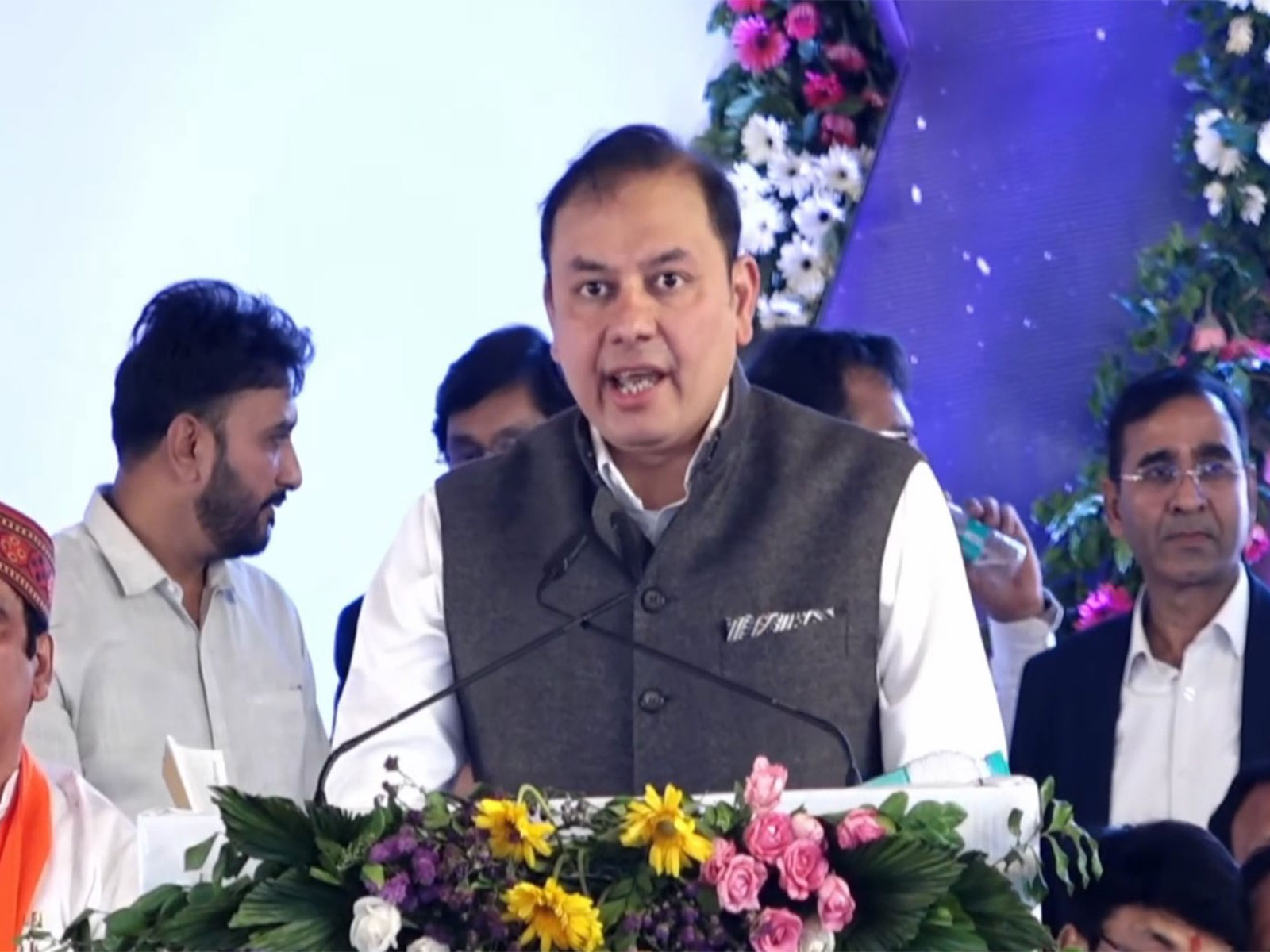
Pulkit Agarwal, Head of India Content at S&P Global Energy, pointed to sustained growth in the city gas segment.
He said, "India's City gas sector remains the clear growth driver for gas markets growth with city gas infra push over the last few years yielding volume growth."
Agarwal added, "CGD consumption continues to grow by 8.8% even as overall gas consumption moderated, taking the share of CGD in overall gas demand to 23% from 20% last year."
He further noted, "The country has almost tripled the number of automotive CNG stations and doubled the number of domestic gas (PNG) connections in the last five years."
With the government's 2030 target serving as a guiding benchmark, experts emphasised that the focus must now shift from discussion to execution, particularly in accelerating pipeline infrastructure and city gas networks to ensure an economically viable and socially inclusive path to Net Zero.