Jal Mahotsav 2026 marks beginning with nationwide observance of Jal Arpan Diwas
Mar 08, 2026
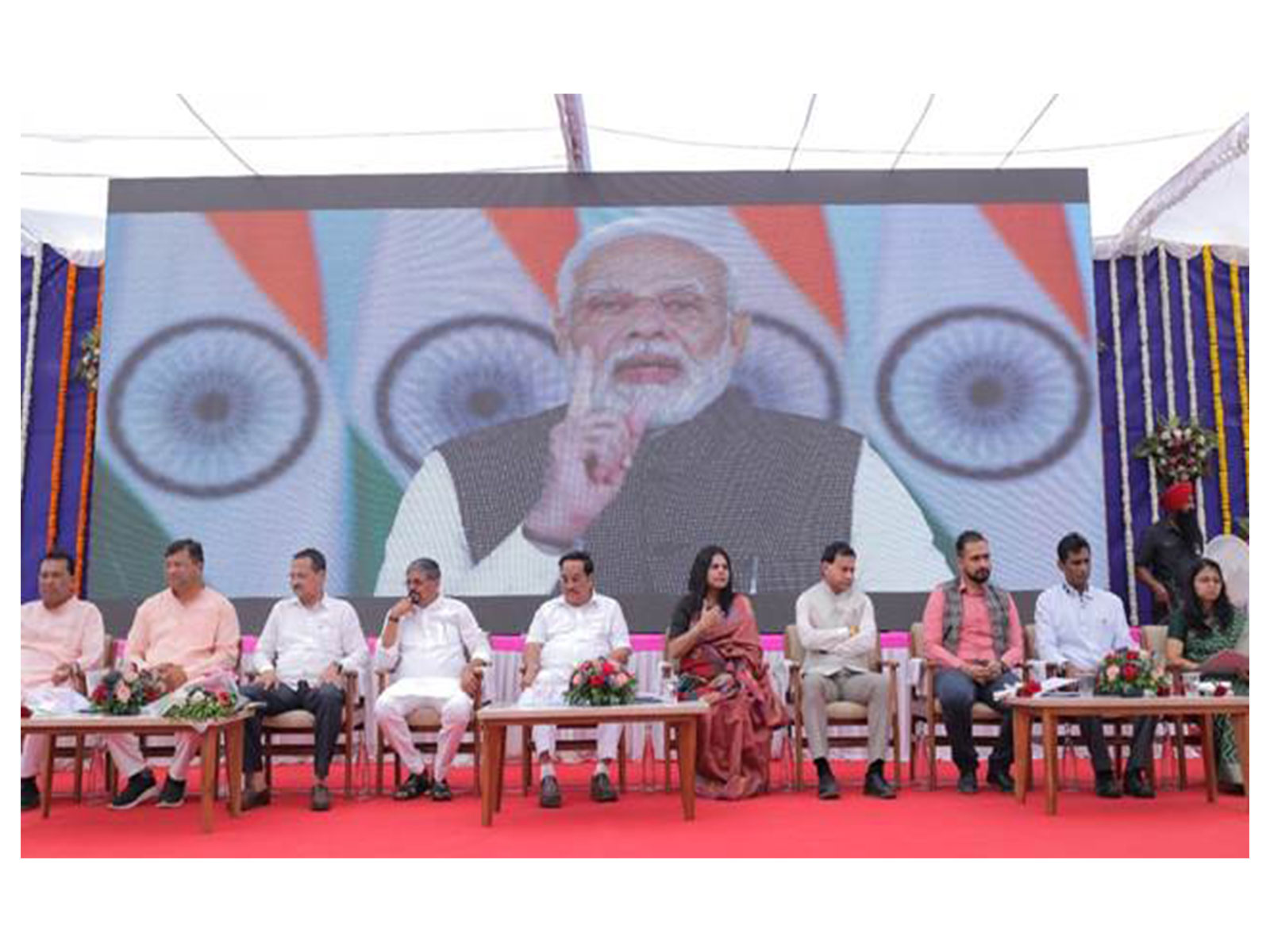
New Delhi [India], March 8 : Union Minister of Jal Shakti, CR Paatil, marked the Shubharambh of Jal Mahotsav 2026, a nationwide campaign of the Department of Drinking Water and Sanitation (DDWS), from Village Rahej in Gandevi Block of Navsari district, Gujarat, with the observance of Jal Arpan Diwas, symbolising the handing over of drinking water assets to the Gram Panchayat to strengthen community ownership of rural drinking water systems under the Jal Jeevan Mission on the occasion of International Women's Day.
The shuharambh of Jal Mahotsav coincides with International Women's Day, observed as "Sujalam Shakti Diwas."
While the Minister of State for Jal Shakti, V Somanna, participated in the programme from Village Panchayat Parulebajar, Karli village, Sindhudurg district, Maharashtra, and Minister of State for Jal Shakti, Raj Bhushan Choudhary, joined the Jal Mahotsav programme from Fakuli Panchayat, Kudhani Block, Muzaffarpur district, Bihar, marking the beginning of nationwide activities across States and districts.
Jal Mahotsav 2026, a nationwide campaign initiated by the Department of Drinking Water and Sanitation (DDWS), Ministry of Jal Shakti, is being observed across the country from March 8 to 22 with the objective of strengthening community participation in rural drinking water management and promoting water conservation under the Jal Jeevan Mission.
Jal Mahotsav campaign will be observed annually from March 8 to 22.
The campaign is being observed under the tagline "Gaon ka Utsav, Desh ka Mahotsav", highlighting that community-led efforts at the village level contribute to a nationwide movement for sustainable water management. The shubharambh marked the beginning of nationwide activities under Jal Mahotsav, with programmes being organised across villages, districts and States to promote community ownership of rural drinking water systems.
The programme began at Navsari with the arrival and welcome of the Union Minister, CR Paatil by village women, GP functionaries and students at the respective locations, according to a release. He visited exhibition stalls set up by various departments, including those showcasing initiatives under Jal Jeevan Mission, and interacted with women members of water quality testing groups demonstrating the use of Field Testing Kits (FTKs). This was followed by the observance of Jal Arpan ceremonies, marking the formal handing over of rural drinking water supply schemes to Gram Panchayats and Village Water and Sanitation Committees (VWSCs).
The events also included symbolic Jal Bandhan activities at village water infrastructure sites, where he tied sacred threads to reaffirm the community's commitment to protecting and maintaining village water systems, thereby strengthening community ownership of rural drinking water services.
The Central Ministers also interacted with villagers regarding the availability of drinking water and the functioning of village water supply systems, highlighting the importance of community participation in ensuring the sustainability of rural drinking water services.
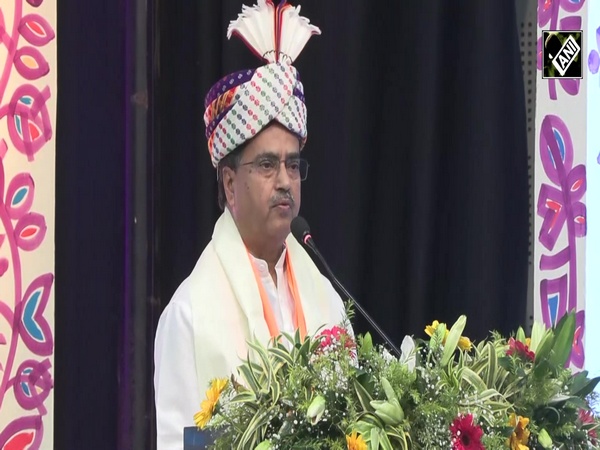
Addressing the gathering, the Union Minister CR Patil, congratulated women on the occasion of International Women's Day and acknowledged their growing leadership in water governance. He highlighted the transformative impact of the Swachh Bharat Mission and Jal Jeevan Mission in improving health, dignity and quality of life in rural India. He said that more than 24 lakh women are actively engaged in water quality testing using Field Test Kits (FTKs).
Emphasising the importance of 'Jal Sanchay', he called upon citizens to promote rainwater harvesting, groundwater recharge and responsible use of water, and encouraged people across the country to actively participate in Jal Mahotsav to strengthen the movement for water conservation.
Ishvarsingh Patel, Minister of State (Independent Charge), Narmada Water Resources and Water Supply, Government of Gujarat, shared the State's perspective on strengthening water supply systems and community participation during the occasion.
The gathering was also addressed by Nareshbhai Patel, Minister for Tribal Development, Khadi, Cottage and Rural Industries, Government of Gujarat.
Kamal Kishore Soan, Additional Secretary & Mission Director, National Jal Jeevan Mission, DDWS, accompanied Union Minister Patil during the Shubharambh of Jal Mahotsav at Navsari.
During the programme, a Kalash Poojan ceremony was performed by the dignitaries, symbolising respect for water and the collective commitment towards water conservation and responsible water management.
A short film on the occasion of International Women's Day, observed as Sujalam Shakti Diwas, was screened, highlighting efforts undertaken to strengthen rural water supply systems. The short film was screened, portraying women at the centre of the Jal Jeevan Mission and highlighting how access to tap water connections has reduced the burden of fetching water, empowering women and strengthening rural households.
The programme also included recognition and felicitation of community contributors, including Self Help Group (SHG) members, Village Water and Sanitation Committee members, youth volunteers, village women doing water quality testing and pump operators, who have played an important role in the operation and maintenance of rural drinking water systems.
This was followed by a Jal Sankalp pledge, where villagers collectively reaffirmed their commitment towards water conservation and responsible management of drinking water infrastructure. Through the Jal Arpan ceremony, the drinking water supply assets are handedover to GP, representing strengthened community ownership of rural drinking water supply systems under the Jal Jeevan Mission.
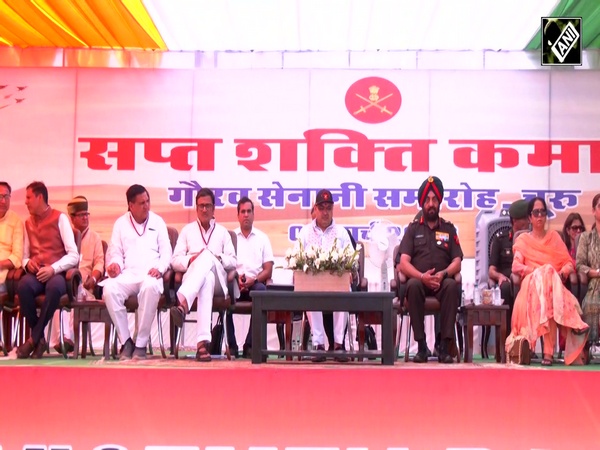
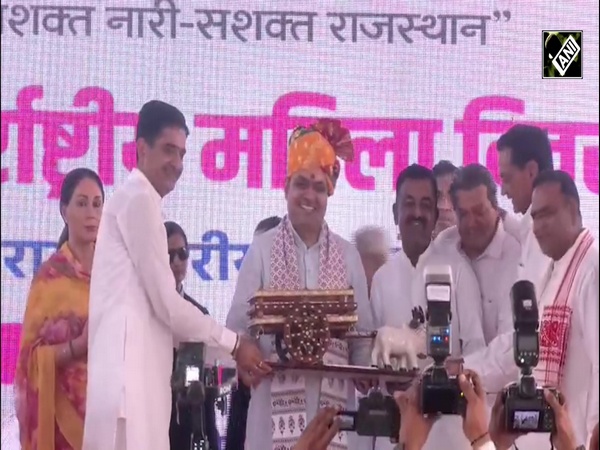
Similar Jal Mahotsav programmes are organised simultaneously in Maharashtra and Bihar, observing Jal Arpan. In Karli village of Parulebazar GP, Sindhudurg district, Maharashtra, V Somanna, MoS, Ministry of Jal Shakti, participated in Jal Mahotsav activities, including Jal Walk, community interactions, Jal Pujan, Jal Bandhan, at village water infrastructure sites, at the event site Jal Sringar, demonstrations on water quality testing using Field Test Kits, Jal Sankalp, Tree Pujan and recognition of the community, viz. SHG members, VWSC, masons, youth volunteers and Pump Operators are done along with awareness programmes on water security. Nitesh Rane, Minister of Fisheries and Ports, Government of Maharashtra (Guardian minister of Sindhudurg), and Deepak Kesarkar, MLA, Shawantwadi Constituency, also joined the event.
During the celebration, V Somanna, MoS, Ministry of Jal Shakti, drank water directly from the tap and in his address, he shared that the test of water is so good, and the quality is maintained under JJM that we can drink it directly because the water is being treated before supply. He appreciated the community and urged them to work for rainwater harvesting.
In Muzaffarpur district, Bihar, Raj Bhushan Choudhary, MoS, Ministry of Jal Shakti joined villagers in Jal Mahotsav events including Jal Chaupal dialogues, Jal Bandhan, Jal Sapath, discussions on Jal Seva Aankalan and recognition of women pump operators and community members engaged in maintaining rural drinking water systems. Kedar Prasad Gupta, Member of the Bihar Legislative Assembly, also joined the event.
Addressing the gathering in Muzaffarpur, the Minister of State for Jal Shakti, Raj Bhushan Choudhary, appreciated the enthusiastic participation of local Matri Shakti and highlighted the important role of women in strengthening water governance and community-led water management.
He said the Jal Mahotsav initiative aims to promote Jan Bhagidari through Gram Panchayat and encourage water conservation practices. Highlighting the transformative impact of Jal Jeevan Mission, he said that the expansion of tap water connections in rural households has improved health, dignity and quality of life, particularly by reducing the burden on women who earlier spent long hours fetching water. Emphasising the need for responsible water use, he called upon citizens to actively participate in water conservation and ensure the sustainability of rural drinking water systems.
Across the country, Jal Mahotsav programmes are being organised at village, district and State levels, featuring Jal Arpan, community awareness rallies, Jal Chaupal dialogues, demonstrations on water quality testing using Field Test Kits, water source sustainability pledges, and recognition of community volunteers, Self Help Groups and Village Water and Sanitation Committee members engaged in managing rural drinking water systems. Senior officials of the Department of Drinking Water and Sanitation (DDWS), including Area Officers and Deputy Advisors, also joined Jal Arpan Diwas celebrations from different parts of the country, marking the nationwide observance of the Shubharambh of Jal Mahotsav 2026.
In several districts, programmes are also highlighting women's leadership in water management, including recognition of women pump operators and women representatives of village water committees, who play an important role in ensuring reliable drinking water services at the grassroots level.
Jal Mahotsav will be organised at four levels, National, State, District and Gram Panchayat, to strengthen coordinated action and community participation in rural drinking water management.
At the National level, programmes promoting inter-ministerial convergence will be undertaken during the campaign period. A National Level Mega Event will be organised on 11 March 2026 at Vigyan Bhawan, New Delhi, in the gracious presence of the President of India, Droupadi Murmu, to recognise grassroots water leaders. The campaign will culminate on 22 March (World Water Day) with nationwide Jal Arpan ceremonies.
At the State level, States and Union Territories will organise activities such as Jal Arpan programmes, capacity building of District Training Units, orientation of district officials on Sujalam Shakti, meetings of District Water and Sanitation Missions, and convergence initiatives with line departments. States to prepare the Rajya Jal Utsav/ Nadi Utsav calendar during this period.
At the District level, programmes will focus on orientation on Jal Arpan protocols, strengthening District Water and Sanitation Missions, and preparation of service improvement plans to enhance the sustainability of rural drinking water systems. States to support and guide GPs to prepare the Lok Jal Utsav calendar during this period.
At the Gram Panchayat level, community-led activities such as Har Ghar Jal declarations, orientation of Village Water and Sanitation Committees (VWSCs), Jal Seva Aankalan, water quality testing demonstrations in schools, and branding of drinking water assets will be organised to reinforce community ownership of village water infrastructure.
Jal Mahotsav seeks to deepen Jan Bhagidari through Gram Panchayat in water management and build a nationwide movement towards sustainable water use and Sujal Gram across rural India, and encourages community ownership of rural drinking water systems and collective efforts towards building Sujal Gram across villages, contributing to the vision of Viksit Bharat.