Jammu and Kashmir marks unity and development while Pakistan observed 'so-called Kashmir Solidarity Day'
Feb 06, 2026
Srinagar (Jammu & Kashmir) [India], February 6 : Jammu and Kashmir continues to move steadily on the path of peace, development and inclusive growth, reflecting growing public confidence in India's democratic institutions and governance. They said improved infrastructure, enhanced connectivity, better healthcare and expanding opportunities for youth have transformed everyday life in the region.
The remarks come as Pakistan observed what it calls "Kashmir Solidarity Day" on February 5, a move that officials and analysts have repeatedly described as political posturing detached from realities on the ground in Pakistan-occupied Jammu and Kashmir (PoJK) and Gilgit-Baltistan. Despite loud claims and symbolic gestures, the situation in PoJK continues to be marked by power shortages, deteriorating infrastructure and harsh living conditions, particularly during the winter months, with reports of prolonged blackouts even in Muzaffarabad.
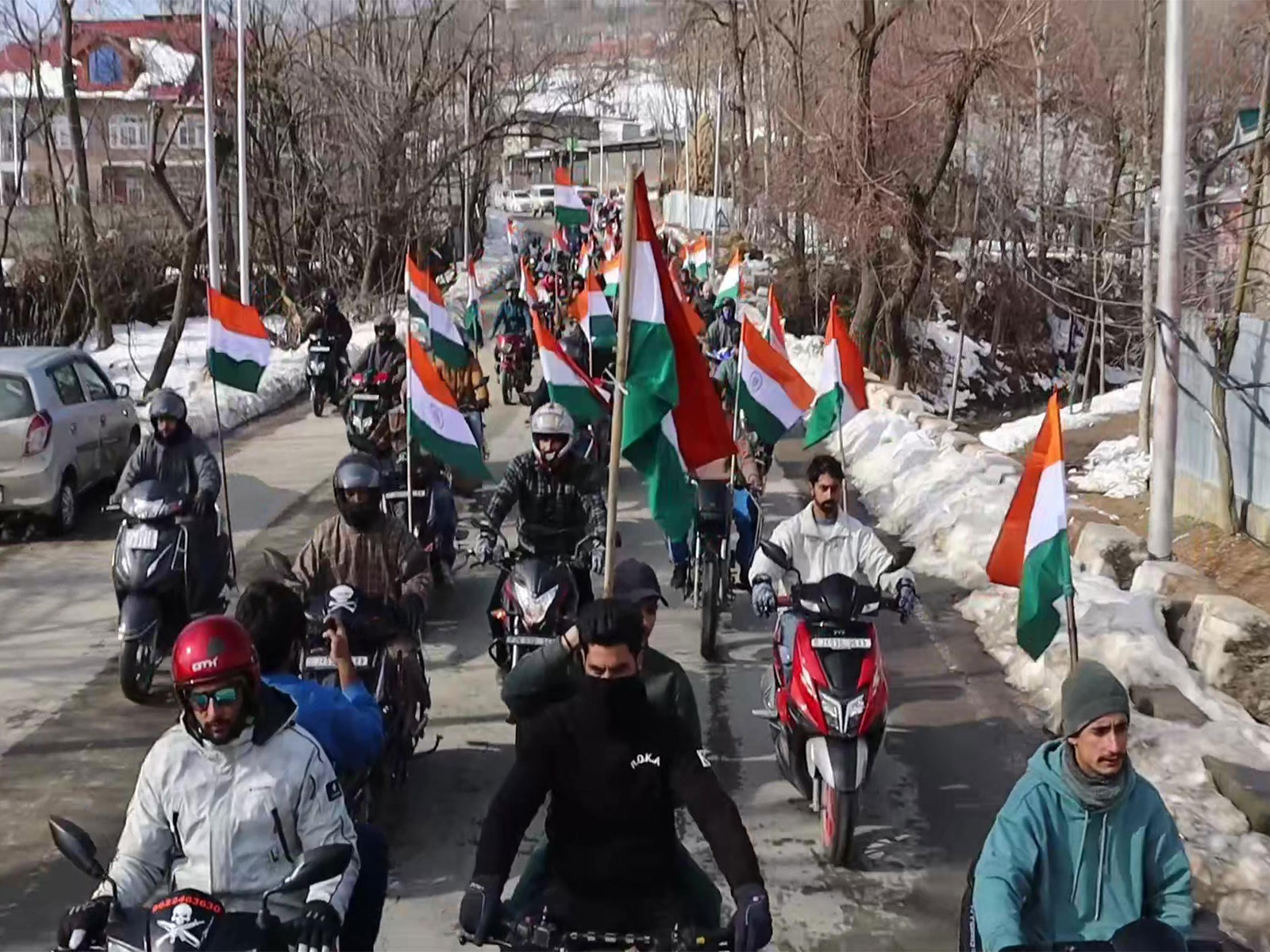
Across the Line of Control, however, a markedly different picture emerged. Jammu and Kashmir residents marked the day with Tiranga rallies, the hoisting of the national flag and the singing of the national anthem, reaffirming unity, confidence and faith in India's constitutional and developmental journey. Along forward areas near the LoC, people participated in peaceful rallies carrying the Tricolour, underscoring what they described as a clear rejection of Pakistan's claims over the region.
Residents participating in the rallies said they organised the events to express pride in their Indian identity and to counter narratives being pushed from across the border. Participants stated that Pakistan's observance of "unity" was false and misleading, while asserting that Jammu and Kashmir stands firmly with India. Youth participation was prominent, with organisers saying the rallies reflected a generational confidence rooted in stability and progress.
Residents also said that Pakistan's claims of solidarity have failed to address the basic rights and welfare of people living under its control, while in contrast, development initiatives in India's Jammu and Kashmir have brought tangible improvements. They pointed to strengthened road and rail connectivity, enhanced healthcare services, expanding educational institutions and tourism-driven infrastructure as visible signs of change across the region.
Officials noted that government-led initiatives focusing on welfare, employment generation and youth empowerment have played a key role in reshaping public sentiment. According to sources, the emphasis remains on sustained growth, peace and inclusive development, which they said stands in sharp contrast to what they described as propaganda-driven narratives emanating from Pakistan.