JP Nadda addresses inaugural advancing public health outcomes forum 2025, says India's public health journey has entered decisive phase
Dec 24, 2025
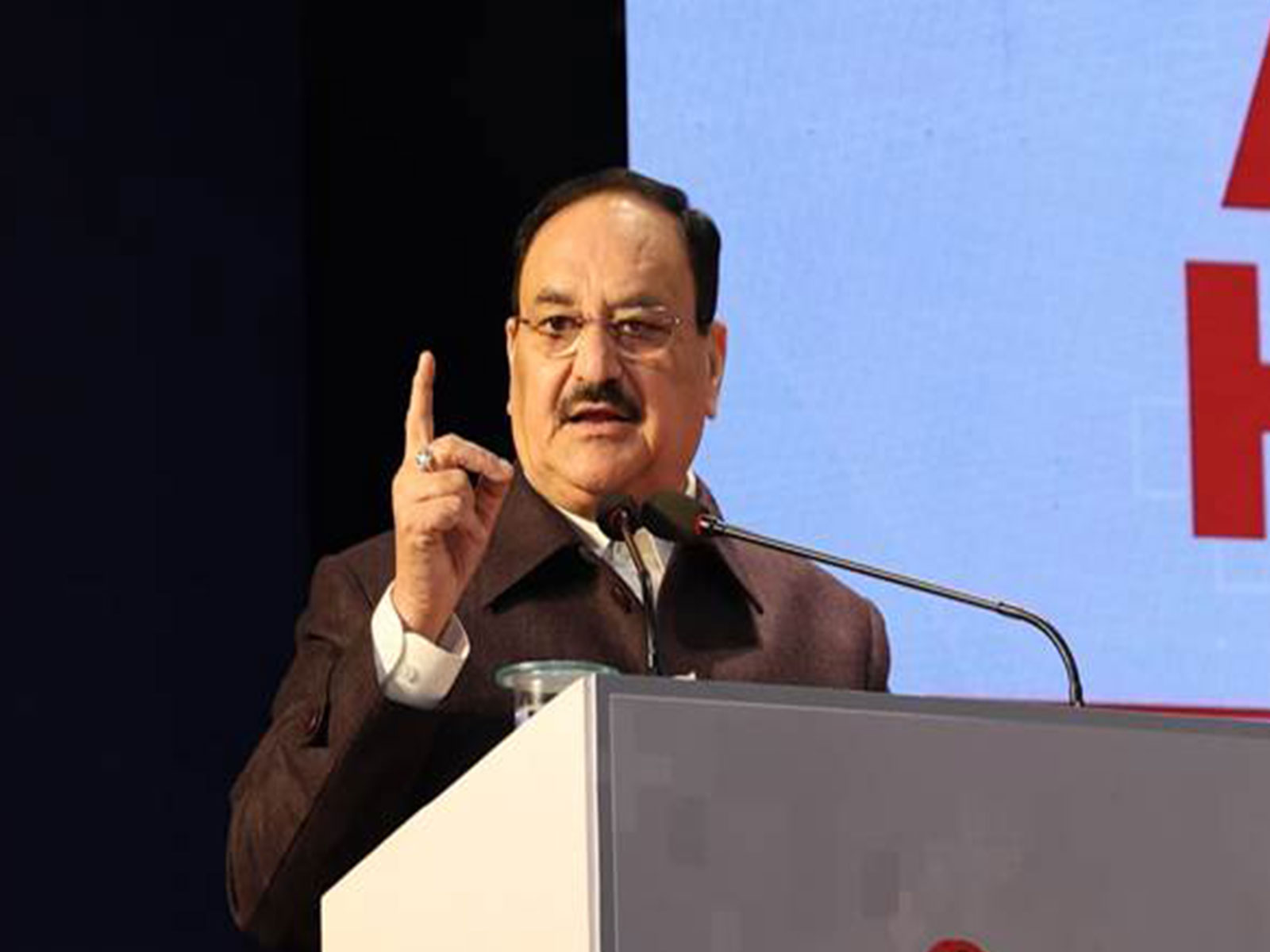
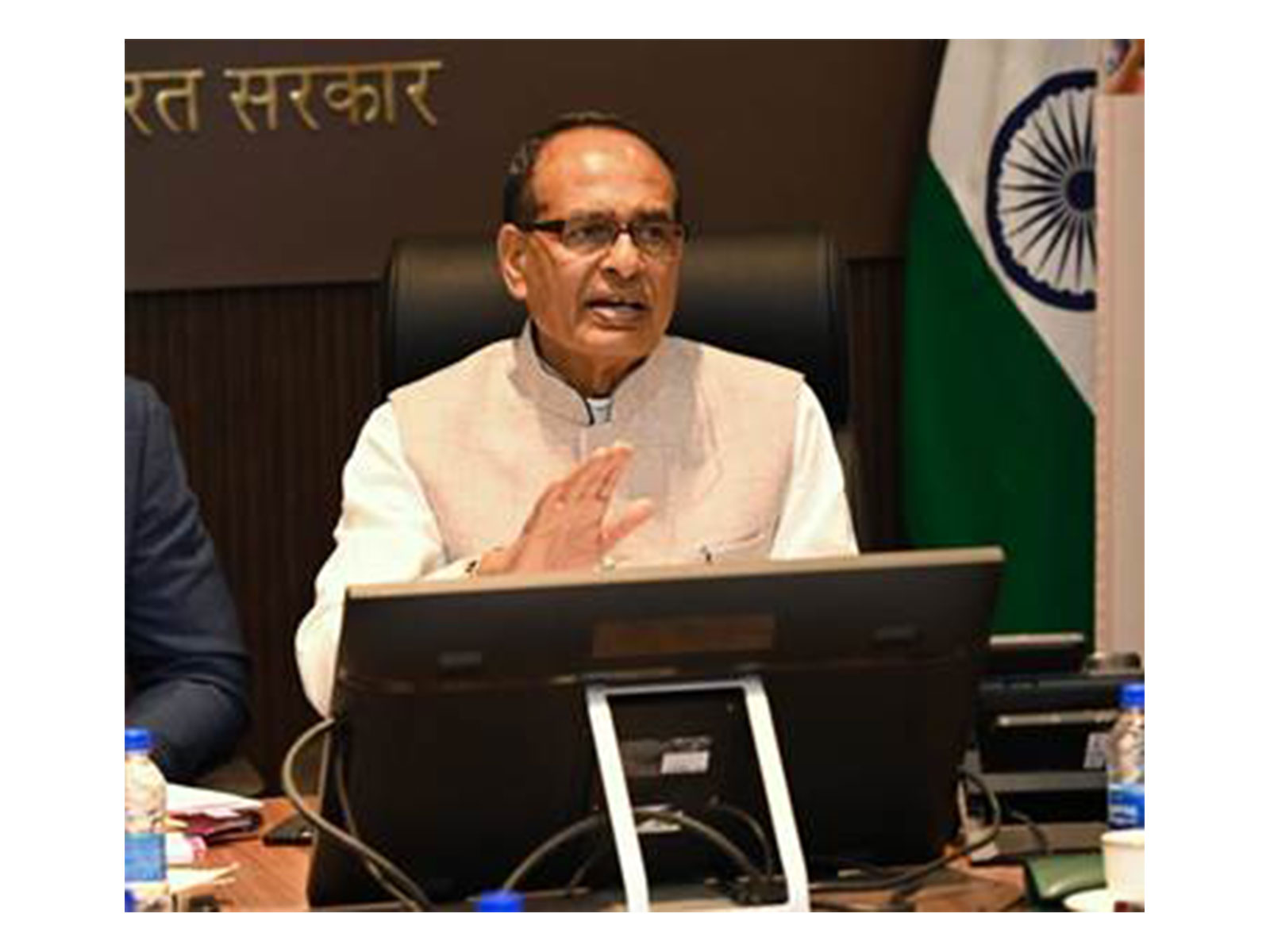
New Delhi [India], December 24 : Union Minister J. P. Nadda on Wednesday addressed the inaugural Advancing Public Health Outcomes Forum 2025 in New Delhi, underscoring that India's public-health journey has entered a decisive and results-oriented phase, driven by strong science, effective programme delivery, and active people's participation.
Speaking at the Forum themed "Disease Control and Immunisation", Nadda highlighted that sustained national efforts have led to tangible progress in controlling diseases, expanding immunisation coverage, and strengthening institutional and scientific capacities.
According to an official release, he also noted that progress in disease control and immunisation reflects not isolated programmes, but institutional strength, Jan Bhagidari (people's participation), and sustained political commitment.
Nadda emphasised that this trajectory is aligned with the Prime Minister's vision of "Aarogyam Paramam Bhagyam", health as the foundation of economic and social development, and guided by the principle of "Sabka Saath, Sabka Vikas, Sabka Prayas", underscoring collective responsibility, inclusive growth, and shared effort in advancing public-health outcomes across the country.
Underscoring the Government's commitment to strengthening primary healthcare, Nadda stated that the aim of the Government is to establish one Ayushman Arogya Mandir (AAM) for every 2,000 people.
He further emphasised the quality of care, noting that the Government is working towards National Quality Assurance Standards (NQAS) certification for all AAMs, with over 30,000 AAMs already having received NQAS certification.
Highlighting progress in disease control, the Union Health Minister said that India has transitioned from a high-burden malaria country to a high-impact state, with malaria incidence declining by over 80 per cent and deaths by 78 per cent.
On tuberculosis, Nadda noted that TB incidence has declined from 237 cases per lakh population in 2015 to 187 per lakh at present. He added that India has achieved a 21 per cent decline in TB incidence, significantly higher than the global decline of 12 per cent.
The Minister also highlighted significant gains in maternal and child health outcomes. Maternal Mortality Ratio has declined from 130 per lakh live births in 2014 to 88 in 2025. Infant Mortality Rate has reduced from 39 per 1,000 live births in 2014 to 27 in 2025.
Under-Five Mortality Rate has declined by 42 per cent in India, compared to a global decline of 12 per cent, while Neonatal Mortality Rate has fallen by 39 per cent in India, against 11 per cent globally.
Furthermore, he stated that Ayushman Bharat Pradhan Mantri Jan Arogya Yojana has significantly reduced out-of-pocket expenditure from 69 per cent to 39 per cent, strengthening financial protection for millions of families.
Convened by the Women's Collective Forum (WCF), with support from the Gates Foundation, in collaboration with the Confederation of Indian Industry (CII), and in partnership with leading national institutions, the Forum represents a whole-of-system engagement, rather than a siloed dialogue under the strategic leadership of Smriti Zubin Irani, Principal Advisor, WCF.
The Forum is also being held in partnership with premier national institutions, including the Indian Council of Medical Research-National Institute of Malaria Research, Indian Council of Medical Research-National Institute for Research in Tuberculosis, Indian Council of Medical Research-Vector Control Research Centre, and the Centre of Excellence in Affordable Healthcare, IIT Kharagpur.
During the Forum, the Union Health Minister released four flagship reports highlighting India's progress across key public health priorities.
India's Progress towards Malaria Elimination -- published by the Indian Council of Medical Research-National Institute of Malaria Research, New Delhi.
India's Progress in Addressing the Challenge of Tuberculosis -- published by the Indian Council of Medical Research-National Institute for Research in Tuberculosis, Chennai.
India's Progress towards Eliminating Lymphatic Filariasis -- published by the Indian Council of Medical Research-Vector Control Research Centre, Puducherry.
How India Is Enabling and Leveraging Immunisation for Better Health -- published by the Centre of Excellence in Affordable Healthcare, IIT Kharagpur.
Commending the government's efforts in the health care sector, Smt. Smriti Zubin Irani, Principal Advisor in the Women's Collective Forum and former Cabinet Minister, stated that the Ministry of Health and Family Welfare has reaffirmed that sustained political will, data-driven governance, and investment in frontline capacity can successfully translate national intent into measurable outcomes.
She highlighted that India's progress in immunisation, disease elimination, and strengthening of primary healthcare reflects the government's approach that is attuned to both scale and last-mile delivery.
Dr Rajiv Bahl, Director General, ICMR, WCF Principal Advisor Smriti Zubin Irani, Archana Vyas, Country Director, India, Gates Foundation, and Dr Randeep Guleria, Chairman, CII Public Health Council, were also present at the event.