Karnataka Launches India's First AI-Powered Skills Intelligence Unit, Plans District-Level Workforce Revolution in 90 Days
Dec 29, 2025
NewsVoir
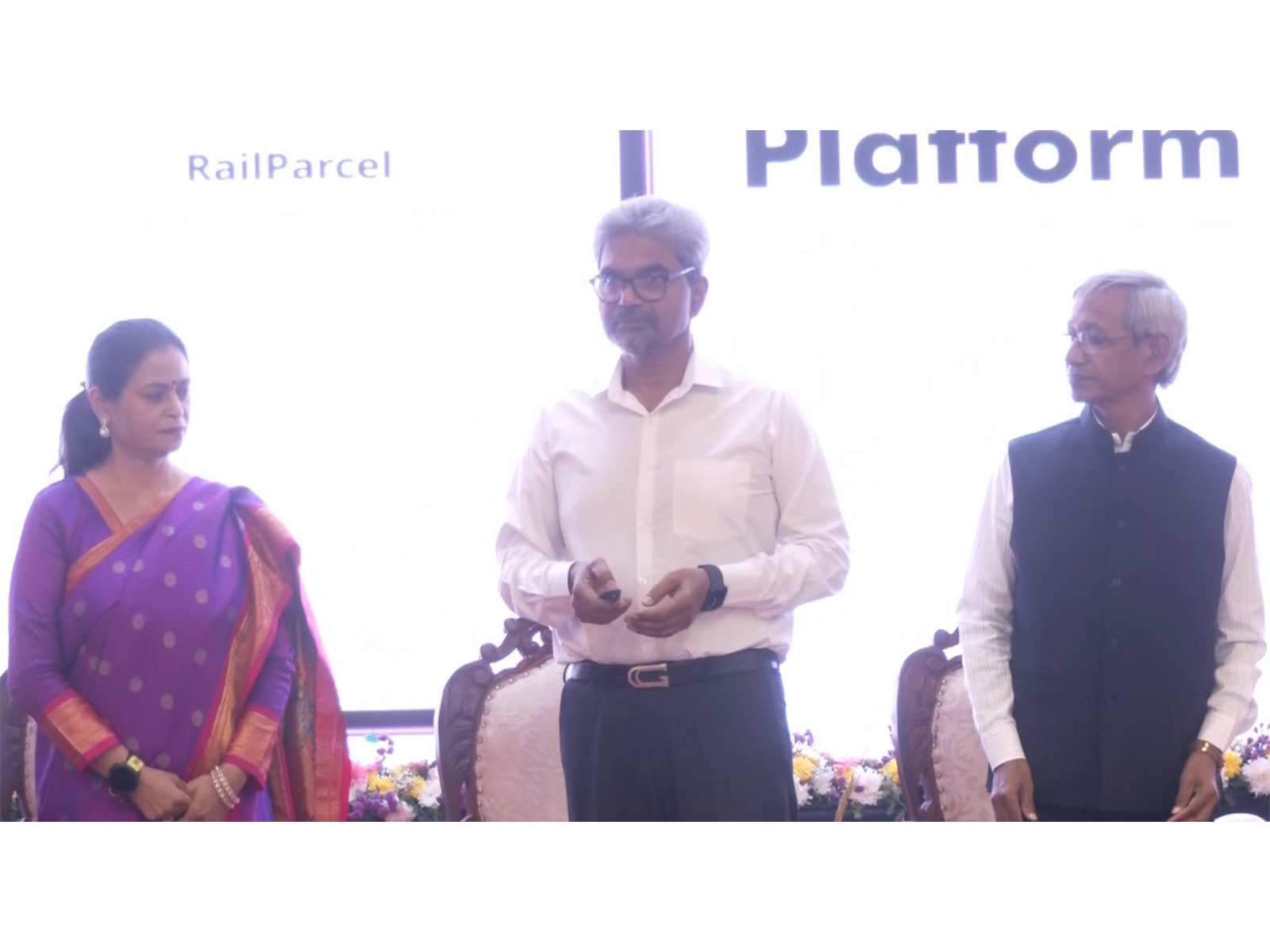
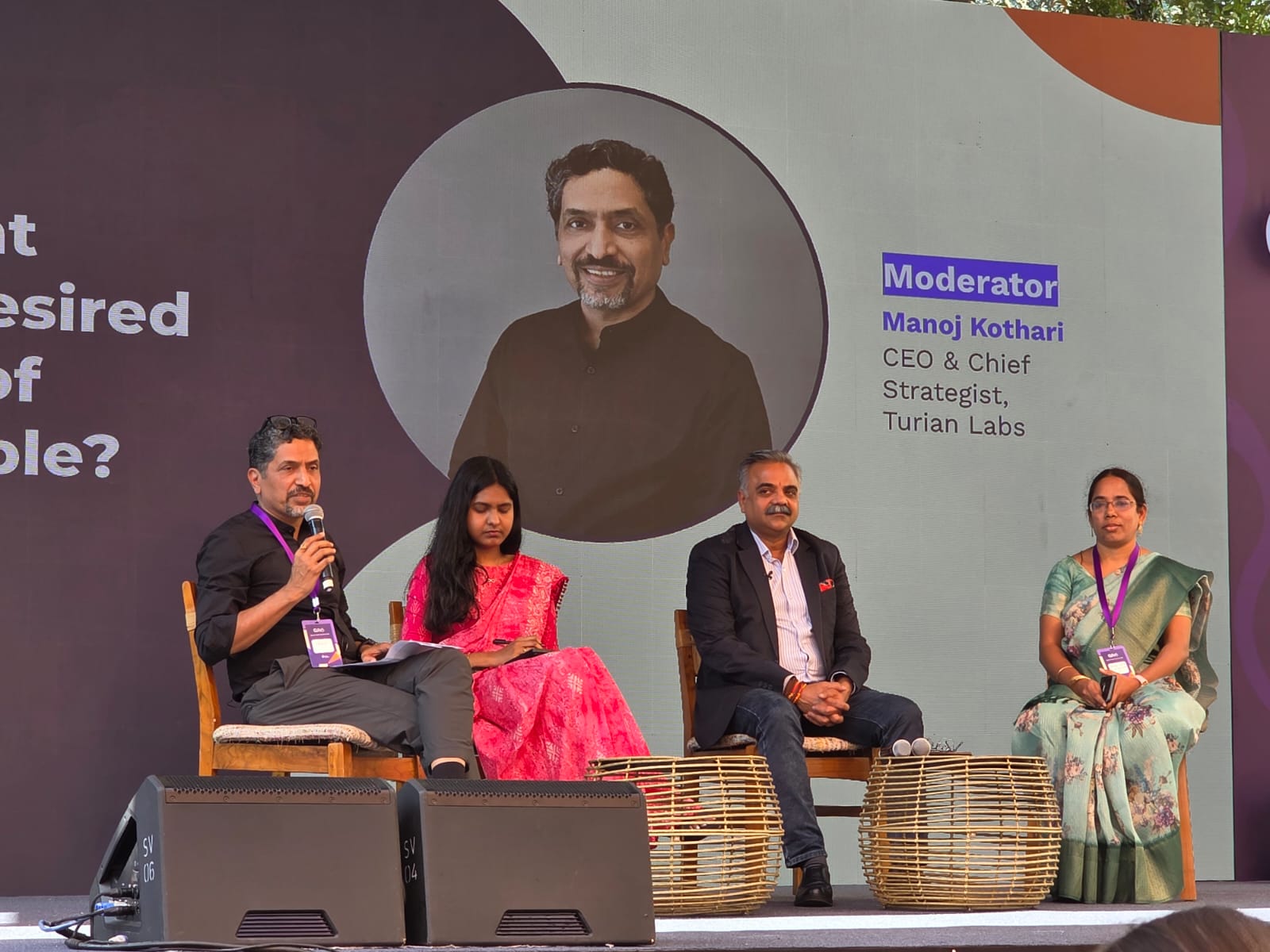
Bengaluru (Karnataka) [India], December 29: Karnataka is preparing for the next decade of AI-driven growth with two major initiatives: District Skill Groups and the creation of a Karnataka Strategic & Intelligence Unit, a first-of-its-kind AI-powered skills intelligence backbone for the state. This was announced by Sanjeev Kumar Gupta, CEO, Karnataka Digital Economy Mission (KDEM) at the Quest 2 Learn Summit 2025 hosted by Quest Alliance. He was a part of a panel discussion which was focused on the theme "Beyond the AI Hype: Building Radical Futures of Hope with Young People."
The summit saw nearly 300 people including educators, policymakers, technologists, artists, researchers, civil society leaders, innovators, and young people come together to collectively explore the opportunities and future of AI in Education.
Speaking during the summit titled, "How is the government enabling desired AI futures for young people?", Mr. Gupta Shifted the focus from student centric discussions to millennials, Gen Z, industry leaders, and government stakeholders across different age groups.
"Each district will soon establish a District Skill Group, chaired by the District Collector and comprising industry, academia, students, and entrepreneurs. These groups will design one-year, district-specific skill development plans based on what the local economy actually needs," he was quoted as saying.
Parallelly, the state's six regional clusters outside Bengaluru are being strengthened through detailed vision documents, created after multi-stakeholder workshops involving educational institutions, incubators, accelerators, and student communities, outlining what each cluster aims to achieve by 2031-32.
The second major initiative, the Karnataka Strategic & Intelligence Unit, will integrate APIs from universities, colleges, training institutions, and government databases. This unified dataset will be processed by an AI layer to identify emerging opportunities, sectoral gaps, and regional workforce needs. "A small committee including industry leaders recently came together with the unit expected to go live in the next three to four months," Gupta added.
Gupta noted that these reforms come at a time when Karnataka is witnessing a significant shift in the geography of work. "Karnataka's youth are saying, I am not going to move from my place. I will serve from where I am. And companies are now going where the talent is," he said, emphasising how this shift is reshaping corporate hiring strategies and statewide economic planning.
This decentralisation is already visible. The 'Come Back Tiger' initiative in Mangalore - encouraging tech professionals from the region to return home - saw 3,000 registrations in under 48 hours, with 250 companies seeking local talent. Cities like Hubli now host more than 3,000 AI professionals serving clients in the US and Europe, demonstrating how innovation is no longer Bengaluru-centric, he stated.
Karnataka attracts 200,000 young professionals every year and is home to 600,000 AI-skilled workers, 2,000+ AI startups, and 53 of India's 110 unicorns, which collectively raised $2 billion last year. "If the innovation ecosystem is not strong, companies know they cannot grow," Gupta said. "We want to pursue the concept of co-create, collaborate, and co-innovate - anyone with an idea can walk in and find mentors across industry and academia."
He also highlighted the emergence of new infrastructure enabling this momentum: a world-class AI & Robotics Centre of Excellence and KEO, a personalized AI computer envisioned to place AI compute power "in the hands of every learner."
The panel also featured D Madhavi Latha, Faculty, SAMO Wing of Samagra Shiksha, Andhra Pradesh, who detailed how the state's large-scale Personalised Adaptive Learning (PAL) programme and Atal Tinkering Labs are transforming learning outcomes through adaptive content, and student-led innovation. Kaberi Muduli, OAS, Officer on Special Duty, Panchasakha Sikhya Setu Sangathan, Govt of Odisha outlined how the state has already introduced a 14-chapter AI curriculum in Class 10, alongside classroom tools like Khanmigo, which strengthen critical thinking and support teachers in delivering AI-enabled, local-language learning. The panel was moderated by Manoj Kothari, CEO and Chief Strategist, Turian Labs.
Mr Aakash Sethi, The CEO of Quest Alliance, which works with the government education and skilling ecosystems to equip young people with future-ready skills they need to succeed in their careers, said: "We undertake new learning and re-skilling in the AI era in Government schools by embedding future skills and career exploration in school curricula and pedagogy. We also work with Technical and Vocational Skilling Institutes, enabling them to prepare confident, informed, and career-ready young graduates, facilitating their transition into the world of work."
(ADVERTORIAL DISCLAIMER: The above press release has been provided by NewsVoir. ANI will not be responsible in any way for the content of the same.)