Liquor shops exist for those whose faith permits it, not to encourage consumption: Omar Abdullah
May 11, 2026
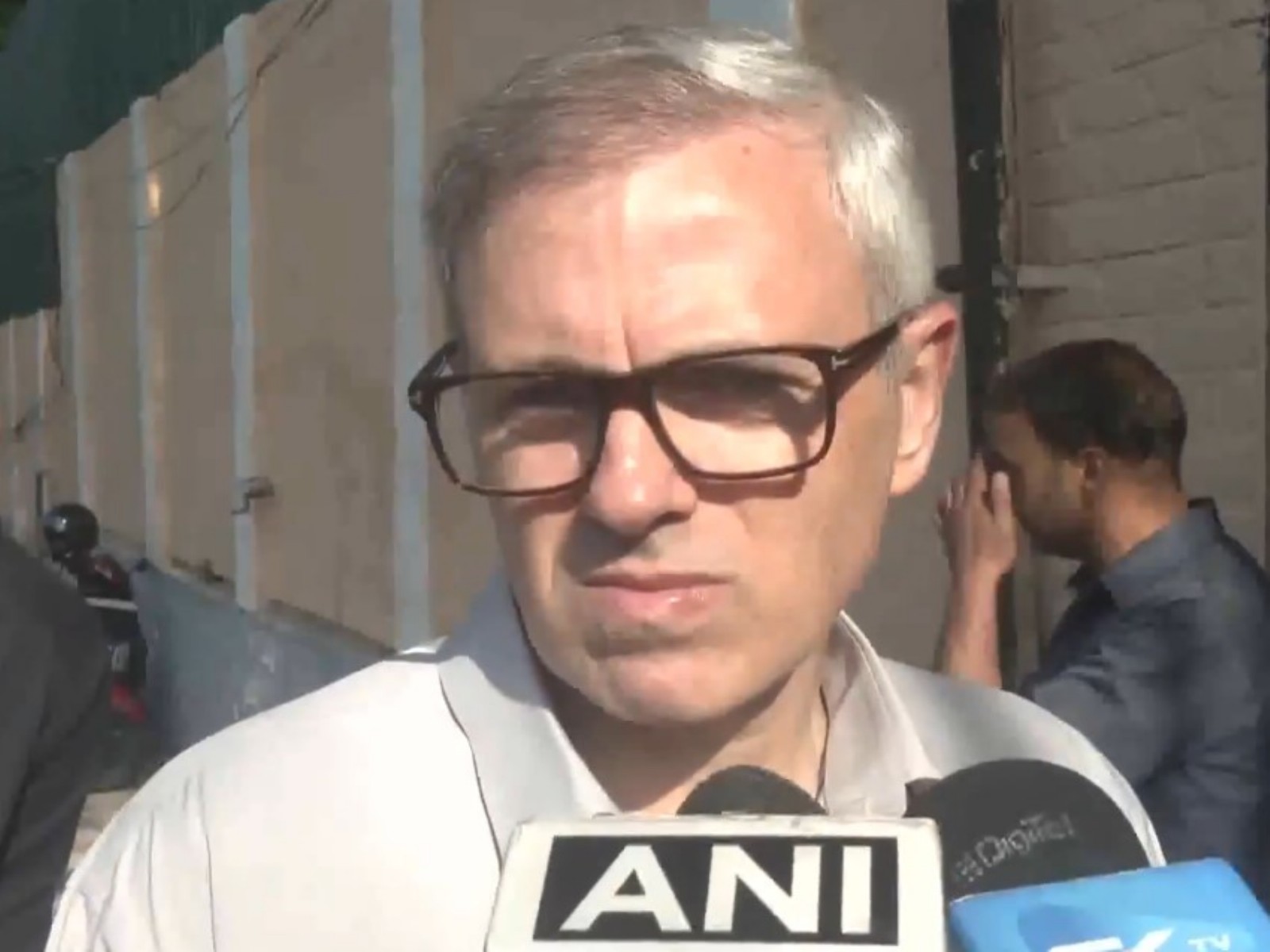
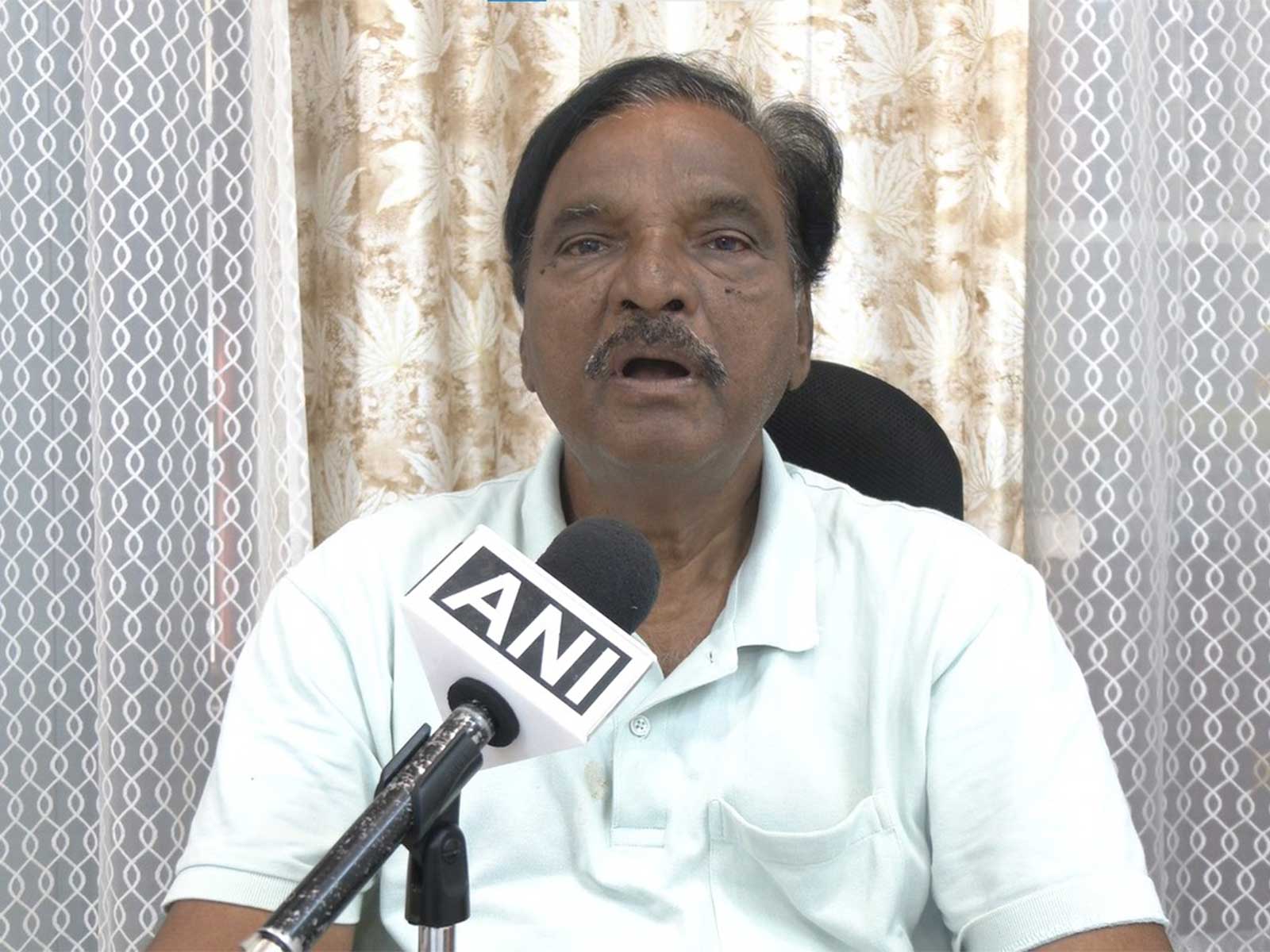
Srinagar (Jammu and Kashmir) [India], May 11 : Jammu and Kashmir Chief Minister Omar Abdullah on Sunday defended the administration's policy on liquor shops in the Union Territory, saying the government was not encouraging alcohol consumption but allowing individuals whose religious beliefs permit it to exercise their choice.
Speaking to reporters, Abdullah said, "These (wine) shops are intended specifically for those individuals whose religious beliefs permit them to consume alcohol. No government in Jammu and Kashmir, to date, has ever imposed a complete ban on these establishments. This does not imply that we wish to encourage increased consumption; it simply means that those whose religious tenets permit the use or consumption of alcohol are free to do so."
He added that his government had adopted measures to prevent alcohol from influencing the younger generation.
"Our own religion does not grant us such permission, nor do we desire to see people gravitating toward this path. Consequently, our administration has implemented two or three key measures. First, we have not opened any new liquor shops. Second, we have made every concerted effort to ensure that no such shop is situated in a location where it might tempt our youth to stray down the wrong path," he said.
The Chief Minister also accused political opponents of attempting to use the issue to divert attention from their own failures.
"Now, my political opponents are attempting to exploit this statement of mine to mask their own past failures," Abdullah added.
Meanwhile, Abdullah earlier in April welcomed the Jammu and Kashmir High Court's decision to quash the Public Safety Act (PSA) detention of AAP MLA Mehraj Malik, calling the detention a "gross misuse of law."
Malik had been detained in September 2025 under the PSA following allegations related to public order and security concerns. The High Court later ordered his release, stating that the case did not justify curtailing the liberty of an elected representative.