Lok Sabha Speaker Om Birla extends greetings on 77th Republic Day eve
Jan 25, 2026
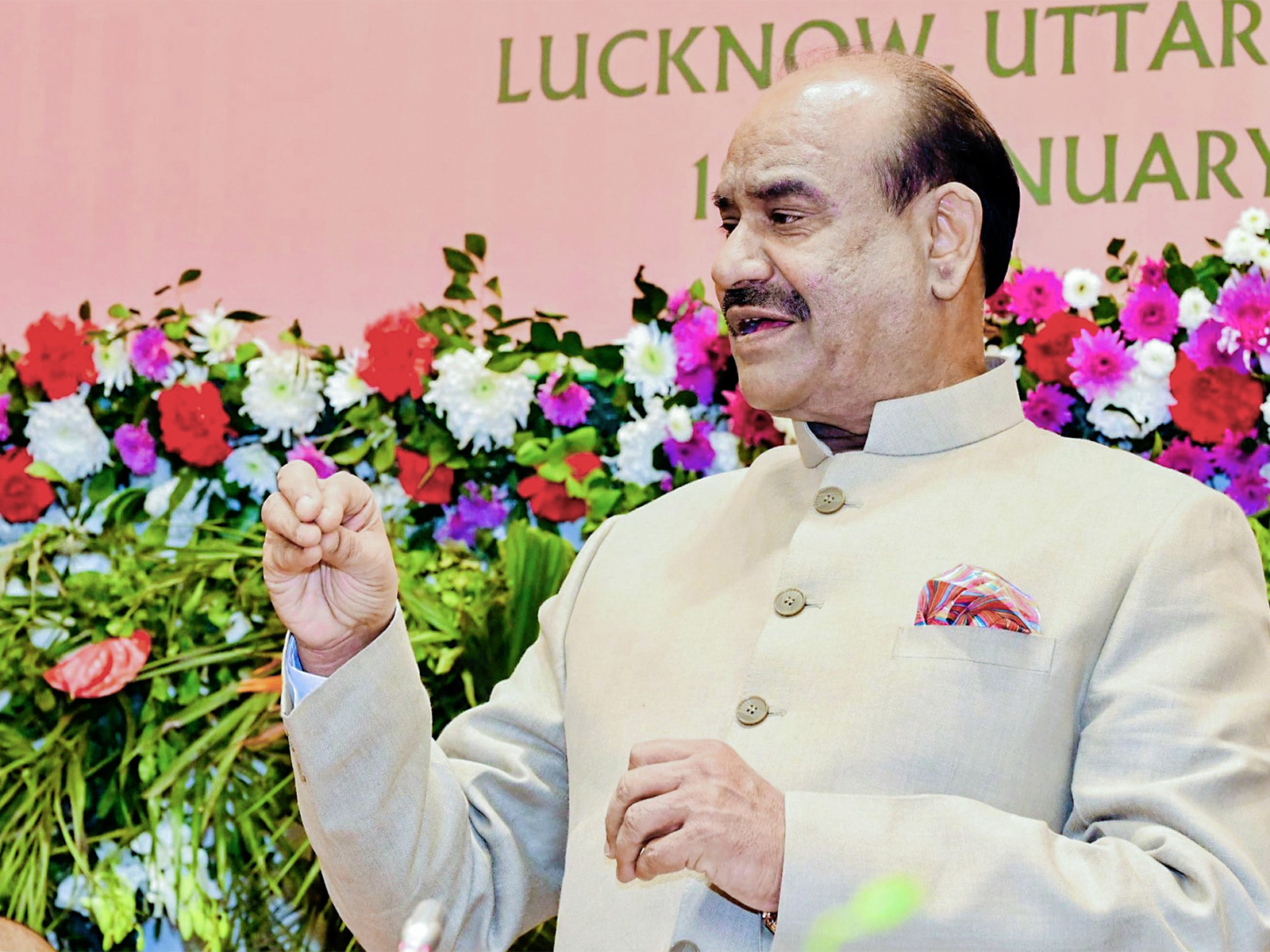
New Delhi [India], January 25 : Lok Sabha Speaker Om Birla on Sunday extended greetings on the occasion of Republic Day, saying the day symbolises not only the adoption of the Constitution but also India's democratic values, national unity and faith in the power of the people.
In a message issued by the Lok Sabha Secretariat, Birla said that January 26 marks 77 years since India became a sovereign and democratic republic in 1950. He said the Constitution provides the framework of governance and guarantees citizens the rights of equality, freedom and justice, calling it the soul of the nation that binds India's diversity into one thread.
"On the auspicious occasion of the 77th Republic Day, I extend my heartfelt greetings and congratulations to all of you. This national day is not only a reminder of the adoption of our Constitution but also a celebration of India's democratic values, national unity, and our unwavering faith in the power of the people. Seventy-seven years ago today, on 26 January 1950, we established ourselves as a sovereign and democratic republic," Om Birla said as per a press release by Lok Sabha Secretariat.
He noted that the country has overcome many challenges under the guidance of the Constitution and ensured inclusive development. Birla also said this year's Republic Day holds special significance as it marks 150 years since the composition of the national song Vande Mataram, which inspired the freedom struggle and strengthened devotion to the nation.
"Our Constitution not only lays down the framework of governance but also guarantees every citizen the rights of equality, freedom, and justice. It is the soul of our nation, binding together India's rich diversity into a single thread. Guided by this Constitution, we have addressed numerous challenges in our democratic journey and ensured inclusive development of the country. This year's Republic Day is also special because it marks the completion of 150 years since the composition of the national song Vande Mataram. Vande Mataram inspired our freedom struggle, gave voice to our self-respect, and made our devotion to Mother India everlasting," said Om Birla.
Highlighting India's progress, Birla said the country is advancing rapidly in areas such as economic growth, technological innovation and social justice, driven by the hard work, discipline and patriotism of its citizens. He urged people to sincerely perform their duties to further strengthen these achievements.
"Today, India is rapidly progressing on the path of development in every field - be it economic growth, technological innovation, or steps taken towards social justice. This progress is the result of the hard work, discipline, and patriotism of millions of citizens. To further strengthen these achievements, we must sincerely fulfill our duties," Birla said.
Recalling the contributions of freedom fighters and the architects of the Constitution, Birla said their sacrifices laid the foundation of modern India. He appealed to citizens to renew their commitment to upholding democratic values, strengthening the principles of liberty, equality, justice and fraternity, and working together to build a strong, inclusive and globally inspiring India.
"On this auspicious day, we gratefully remember all the great leaders, freedom fighters, and architects of our Constitution who, through their sacrifice, dedication, and foresight, laid the strong foundation of this great nation. Today, let us all take a renewed pledge to uphold the dignity of our democracy, to perform our duties with the same commitment as we exercise our rights, and to further strengthen the values of liberty, equality, justice, and fraternity on which our Republic stands. Let us come together to build an India that is strong, inclusive, and a source of inspiration to the world," said Om Birla.
Republic Day marks a defining milestone in India's national journey. It marks the day the Constitution of India came into force on January 26, 1950, formally establishing the country as a 'Sovereign Democratic Republic'.
While independence on August 15, 1947, ended colonial rule, it was the adoption of the Constitution that completed India's transition to self-governance based on law, institutional accountability, and the will of the people of India.