Manjhi introduces MSME development (amendment) Bill, calls it the need of the present time
Jul 29, 2026
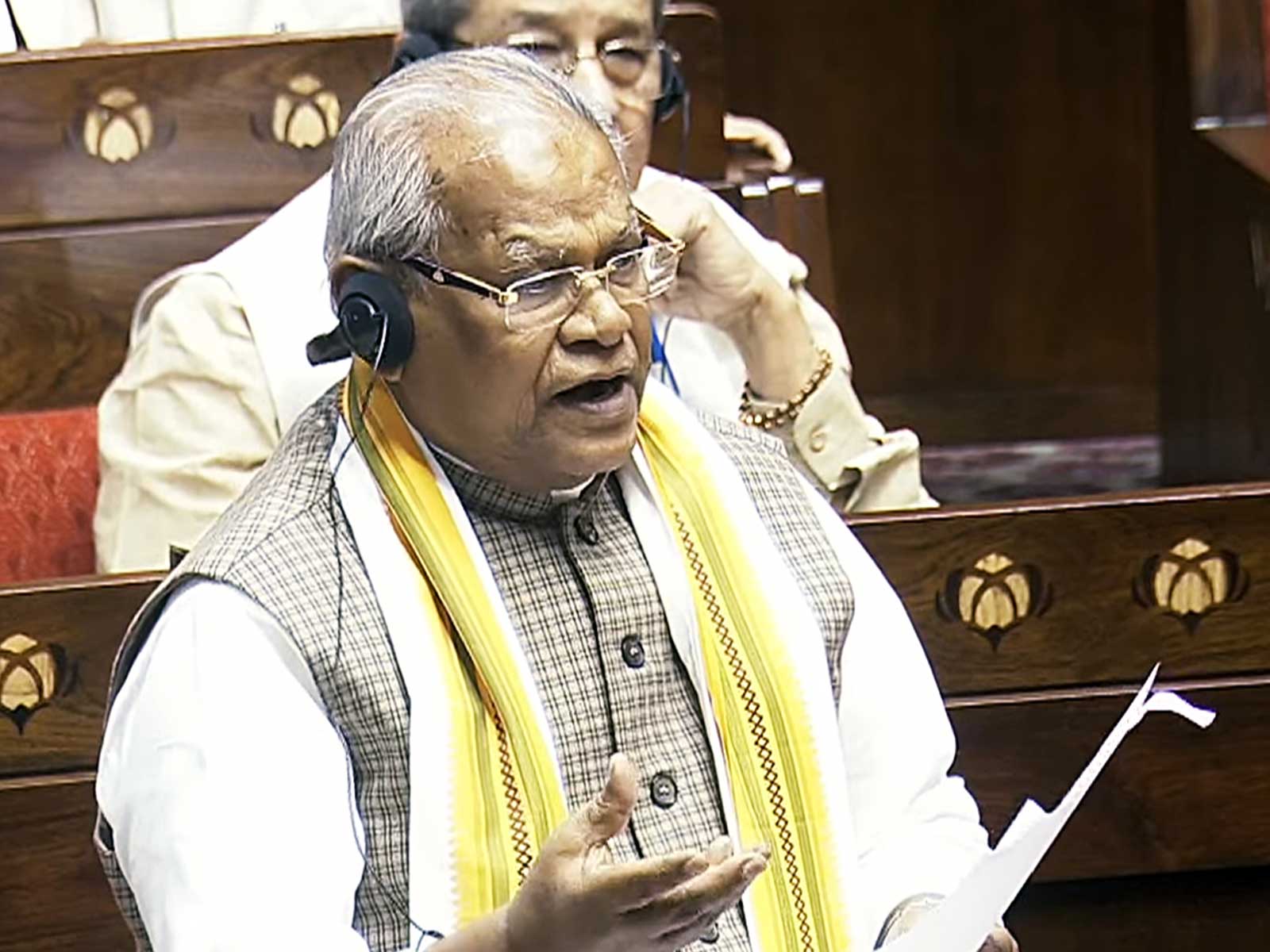
New Delhi [India], July 29 : The Micro, Small and Medium Enterprises Development (Amendment) Bill, 2026 introduced in the Rajya Sabha on Tuesday.
The proposed legislation aims to improve cash flows for small businesses, curb delays in payments and simplify regulatory compliance, with the objective of enhancing the ease of doing business for micro, small and medium enterprises.
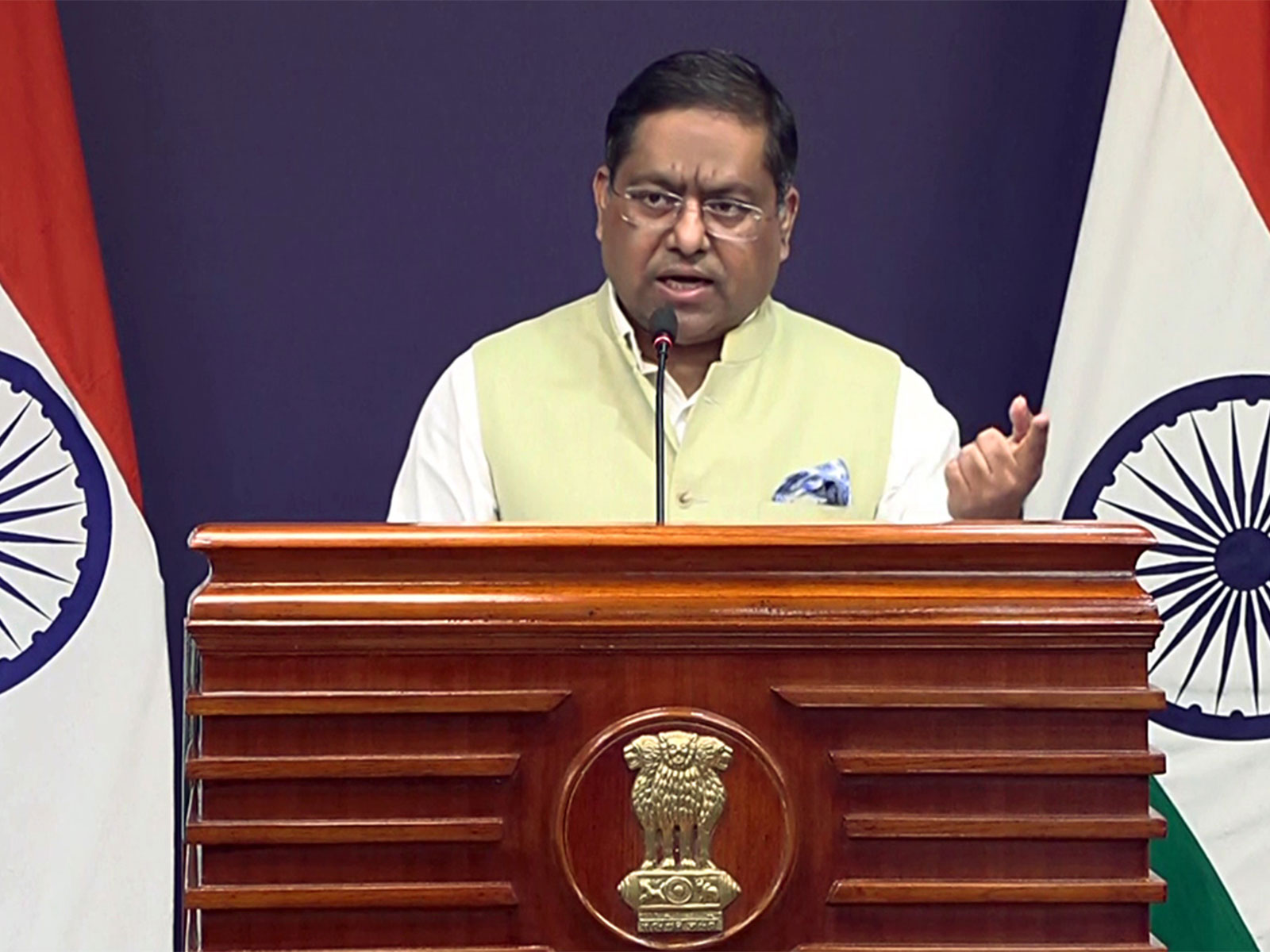
Introducing the Bill in the Rajya Sabha, Union Minister Jitan Ram Manjhi described it as a need of the present time.
He said, "The Micro, Small and Medium Enterprises Development Act, 2006 had laid a strong foundation for the country's micro, small and medium enterprises. However, there have been significant changes over the past two decades."
"The business environment has changed significantly, and so have digital transactions. The needs of industries have also changed. It has therefore become essential to amend this law in line with the changing times," the minister said.
Minister Jitan Ram Manjhi further said that, "the primary objective of the amendment is to ensure timely payments to Micro, Small and Medium Enterprises (MSMEs), introduce stricter penalties for violations of the law and make the penalty framework more effective."
While tabling the bill, the minister said, "the government believes these measures will ease the financial challenges faced by small businesses and make their operations more secure and transparent."
The Micro, Small and Medium Enterprises Development (Amendment) Bill, 2026 seeks "to align the Micro, Small and Medium Enterprises Development Act, 2006 with the changing MSME landscape, to enhance the Ease of Doing Business and bring trust-based regulations in the MSME ecosystem."
The document further says the Bill proposes "to strengthen the mechanism for addressing delayed payments and provide for enforcement of arbitral awards for the MSEs, and to introduce flexibility and create enabling provisions for States to decide the composition of the Micro and Small Enterprises Facilitation Council (MSEFC), thereby forming more MSEFCs."
In simpler terms, the proposed law aims to make it easier for MSMEs to do business, improve the system for resolving delayed payment issues, ensure arbitration awards can be enforced, and give states greater flexibility to constitute more Facilitation Councils for resolving disputes involving micro and small enterprises.