Mayank Kumar builds financial clarity for India's working middle class through practical financial storytelling
Jul 04, 2026
New Delhi [India], July 4 : India not only needs more financial products. It needs more financial understanding. For the common man, money is not just about income. It is about salary, security, job documents, family responsibility and the confidence to ask the right questions, said finance educator Mayank Kumar.
At a time when India's salaried workforce is navigating rising expenses, changing job structures and a fast-expanding digital financial ecosystem, financial literacy is moving beyond investment advice into everyday workplace decisions. For millions of job holders, the challenge is not only where to invest, but how to understand salary slips, CTC breakups, PF contributions, tax documents, employment benefits and Full and Final settlement rules.
In this space, Lucknow-based creator and finance educator Mayank Kumar, known online as myklogic, is building his identity as a financial storyteller and a financial clarity voice for Working India. His work focuses on simplifying the money decisions that affect salaried employees, middle-class families and first-generation financial decision-makers.
Through @myklogic, Kumar positions his work around Finance for Working India. His digital presence highlights more than 60 million views across explainer content, with over 112,000+ followers on Instagram and a Facebook audience of around 3 lakh followers. But his growing relevance is not only about audience numbers. It is about the practical category he is trying to build around working-middle-class financial clarity.
Kumar's content focuses on issues that affect ordinary earners directly: salary structure, CTC versus in-hand salary, employee PF, employer PF, gratuity, Form 16, income tax documents, offer letter conditions, variable pay, joining bonus clauses, resignation-related money matters, household financial planning and Full and Final settlement.
"Most people are not careless with money," Kumar says. "They are simply not given financial information in a language that feels usable. Finance becomes powerful only when a person knows what to check, what to ask, what to save and what to confirm in writing."
This is where Kumar's positioning differs from routine personal finance content. His work not only explains what CTC means. It explains why CTC divided by 12 is not the monthly in-hand salary. It does not only talk about PF. It asks employees to check their employee PF, employer PF, UAN and PF passbook. It does not only discuss resignation. It explains why workers should ask for a written Full and Final settlement breakup, leave encashment details, bonus or incentive status, deduction clarification and payroll confirmation.
For India's working middle class, financial stress often comes from repeated small gaps rather than one major mistake. These include not reading salary slips carefully, accepting verbal HR clarifications, misunderstanding variable pay, ignoring employer PF, not saving tax documents, failing to ask for written confirmation and signing employment terms without understanding their long-term impact.
"A middle-class person does not need finance to sound impressive," Kumar says. "He needs finance to be useful. He needs to understand how one salary decision, one offer letter clause, one deduction or one missed document can affect his money, family and future."
Kumar's approach comes from a mix of journalism, radio, digital strategy and storytelling-led communication. Before emerging as a finance educator and digital creator, he worked across media and communication environments linked with Radio City 91.1 FM, Sahara India, Gaon Connection, Google News-related operations, Sahayak in the ONDC ecosystem and other digital initiatives.
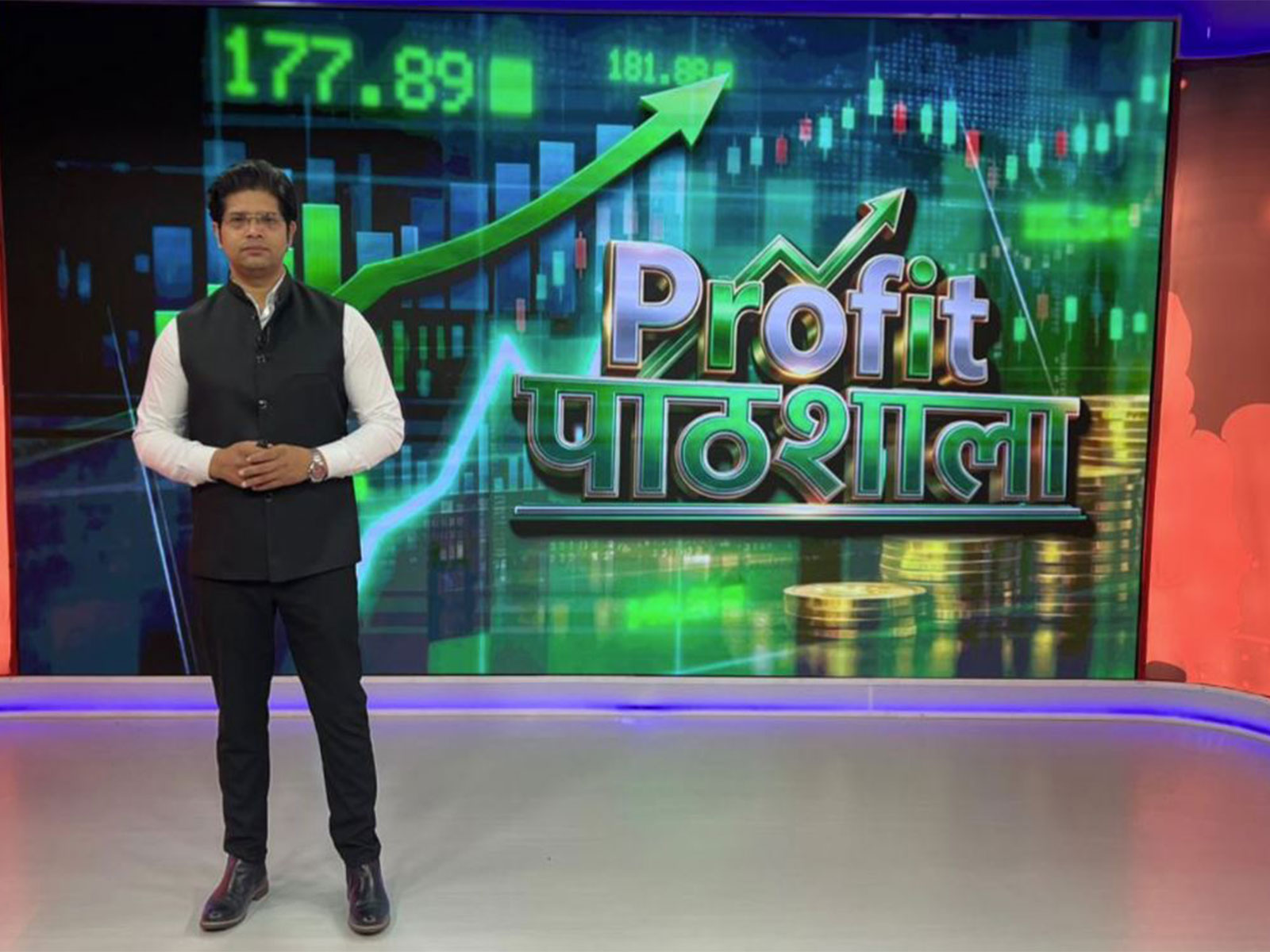
He is also associated with Profit Pathshala, where he presents finance-related topics for common viewers, combining newsroom-style explanation, document-based clarity and relatable examples for a wider audience.
Kumar's positioning as a financial storyteller is also shaped by his background in narration and communication. His voice-driven style has helped him turn complex financial subjects into relatable explainers for Hindi-speaking and working-class audiences. But he believes storytelling is only the entry point. The larger goal is to help people take better financial decisions in real situations.
"Finance is not just numbers," he says. "It is emotion, pressure, responsibility and decision-making. When a person thinks about money, he is also thinking about parents, children, job security, health, respect and future stability."
India's digital personal finance audience is also changing. While investment and market content continue to attract attention, a growing section of employees is looking for practical guidance around salary structures, workplace deductions, tax documents, employment benefits, HR communication and financial protection.
His content speaks to employees who want to understand what is written in their salary slips, offer letters, tax records and exit documents before making decisions. In that sense, Kumar is attempting to place finance education closer to everyday problem-solving, where the focus is not only on what to invest in, but also on how to protect income, verify documents, communicate clearly with HR and avoid avoidable money mistakes.
"India's next financial literacy movement will not be only about wealth creation," Kumar adds. "It will be about financial confidence. When people understand their own money, they make better decisions, ask better questions and protect their future better."
As financial products become more layered and employment-linked money systems become more complex, the demand for trusted, simple and human-centred financial communication is likely to grow. In that changing landscape, Mayank Kumar, the creator behind myklogic, is placing his work around a simple idea: financial education should begin where people actually live, with salary, job documents, taxes, benefits, savings and everyday money decisions.
For India's working middle class, that may be the bridge between financial confusion and financial control.