NATO fighter jets shoot down drone that entered Latvian airspace
Aug 14, 2026
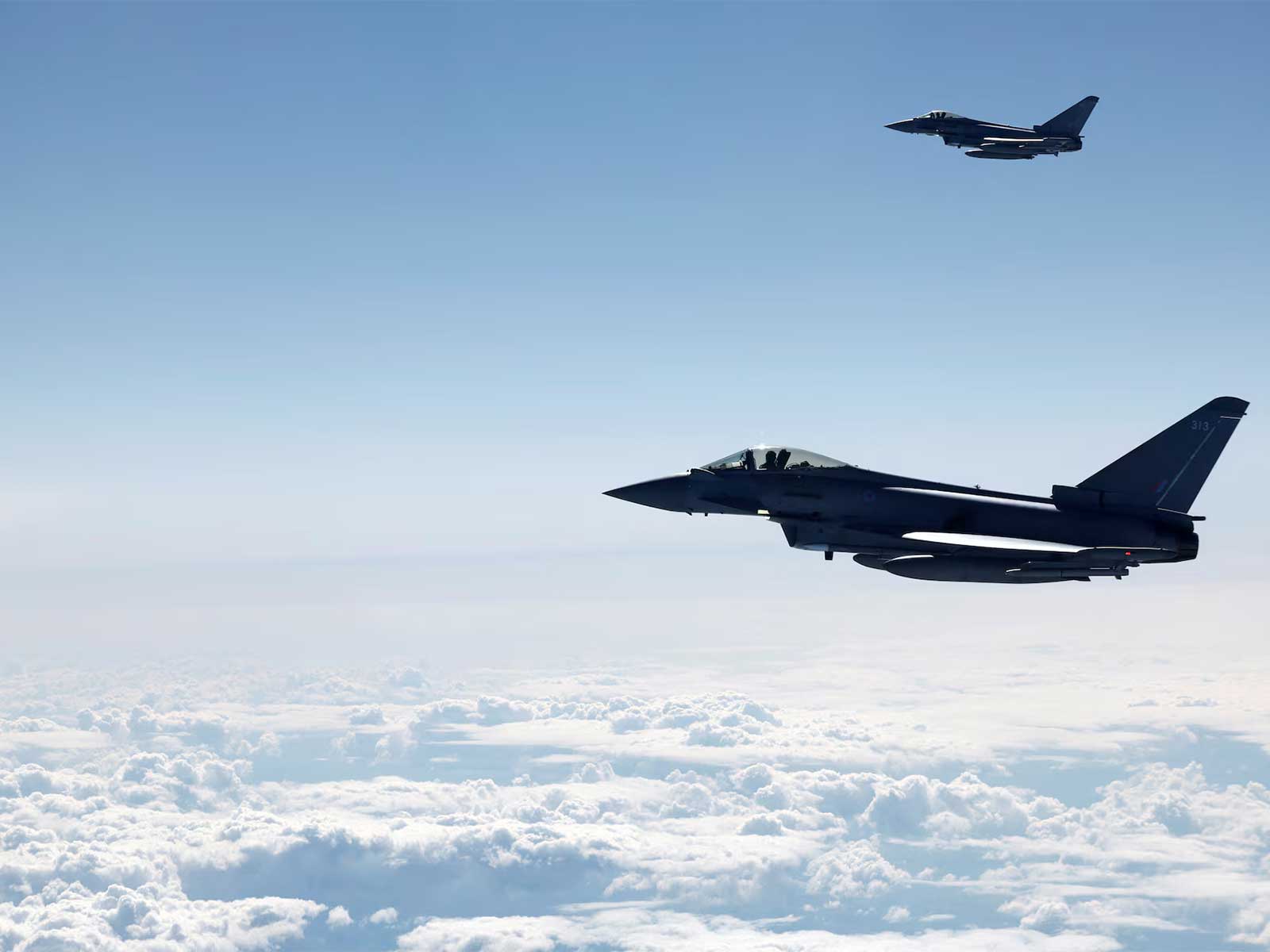
Riga [Latvia], August 14 : Amid heightened tensions with Russia, Latvia on Friday stated that NATO fighter aircraft had intercepted and shot down a drone over its territory.
According to Euronews, the Latvian military confirmed that fighter jets operating as part of NATO's Baltic Air Policing mission downed a "foreign drone" in the nation's airspace earlier in the day.
The military explained that the unmanned aerial vehicle crossed into the country "as a result of Russian electromagnetic warfare" and was brought down over the eastern Balvi region. Officials did not specify whether the craft originated from Russia, noting that Ukrainian drones tracking Russian targets or aircraft off course due to electronic jamming have previously crossed into adjacent nations.
In response to the incident, defence authorities announced the deployment of supplementary air defence units along the eastern border to maintain continuous surveillance of the airspace.
Besides the Balvi district, defence officials indicated that aerial security risks were also detected in Augsdaugava, Preili, Rezekne and Aluksne, before confirming that those threats had now ended.
Friction between European nations and Moscow has intensified sharply following widespread concerns that President Vladimir Putin might initiate border incursions or Crimea-style operations in European countries beyond Ukraine over the coming months.
Earlier this month, a US intelligence assessment reported by the Wall Street Journal suggested that Russia could step up its hybrid campaign against Europe through localised ground incursions or cyberattacks across Eastern Europe between this autumn and 2029.
That report coincided with a separate intelligence evaluation by US and European agencies, cited by The Telegraph, indicating that Russia was evaluating armed provocations inside Polish territory, such as missile or drone strikes targeting critical infrastructure or false-flag operations intended to frame Ukraine.
Driven by these mounting safety concerns, NATO members have moved past their former hesitation regarding the immediate downing of Russian drones violating sovereign airspace.
Under earlier operational guidelines outlined by NATO chief Mark Rutte, allied forces aimed to escort intruding aircraft out of protected airspace rather than destroying them. However, that policy shifted as incursions grew more frequent and severe, alongside fears that such events form part of a wider Russian hybrid strategy.
In May this year, a Russian drone hit a residential complex in Romania, underscoring the danger of aerial breaches escalating into major security incidents.
Prior to the recent uptick in drone incidents, several European states had repeatedly accused Russia of airspace breaches, deploying ground-based air defence networks and scramble jets in response.
During the previous month, Romanian fighter jets downed three drones over a three-day span following elevated aerial activity. Furthermore, Romanian naval divers earlier this week destroyed two Gerbera-type drones in the Black Sea adjacent to the Neptun Deep gas facility.
The interception over Latvia occurred two days after NATO representatives convened to address recurring drone violations, expressing "full solidarity with and support for the affected Allies".
"Allies reiterated that Russia bears full responsibility for the airspace violations, which are dangerous and unacceptable, and demonstrate Russia's increasing tolerance for risk," NATO declared in an official statement, stressing that the alliance "stands ready to deter and defend against any aggression".